
The 5-4-3-2-1 Method Helps with My Anxiety and Gets My Place So Organized
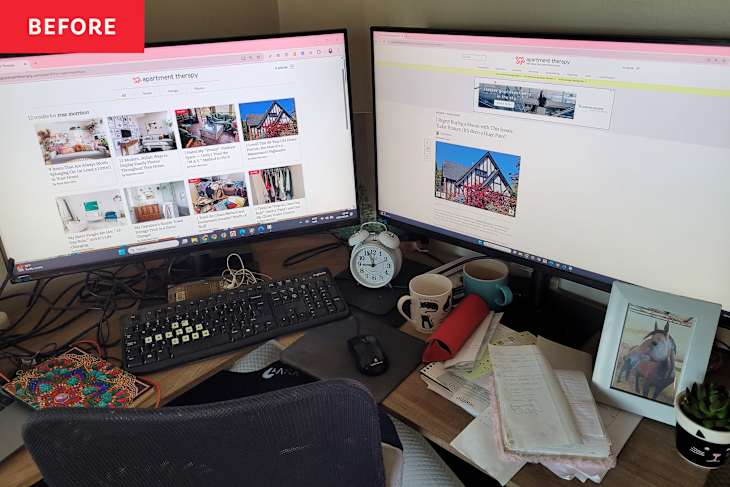
As someone with anxiety, I noticed that whenever my anxiety levels rose, having a cluttered space didn’t help matters. I’d question how I was able to accumulate all these things and how they got so out of place. Despite having many beloved treasures, my belongings left me feeling overwhelmed and overstimulated. That’s when my therapist taught me a great grounding technique to regulate my emotions and get myself organized.
The 5-4-3-2-1 practice allows me to enter a calmer state and gain clarity during high stress and panic. With greater awareness of my surroundings and the present moment, I’ve successfully incorporated the practice into organizing and attaining control over my life.
What Is the 5-4-3-2-1 Coping Technique for Anxiety?
The 5-4-3-2-1 coping technique is an exercise you can use to ground yourself when you’re experiencing anxiety or panic. It helps you return to a calmer state by identifying five things you can see, four things you can touch, three things you can hear, two things you can smell, and one thing you can taste.
Before I started using any type of self-regulation technique, I hadn’t realized my anxiety and disorganized space were interconnected. I didn’t think much of dropping my belongings when I walked through the door or allowing papers to pile up in my home office. Yet, experts and studies have linked clutter to anxiety and stress. Conversely, there are several benefits to getting your home in order, as a tidy space can actually make some people feel calmer, too.
My therapist’s 5-4-3-2-1 approach felt groundbreaking — and it was simple, too. By using my five senses and incorporating organizing into this practice, this grounding technique has helped me manage my anxiety by focusing on the here and now.
How I Incorporate Organizing into My 5-4-3-2-1 Practice
The first time I tried this method, I decided to organize my home office, as my job is a big source of stress. Because I work remotely, my desk and shelves become disorganized rather quickly. Here’s how I got it in order and eased my mind.

Sight
To activate my senses through sight, I looked around and identified five objects within view. The key is to say what they are out loud or in your head. For example, I saw a stack of folders, a blue stapler, a black pen, a framed photo of my horse, and a succulent on the shelf. Naming objects helped anchor me and recognize what was out of place or visually distracting. I ended up removing whatever wasn’t contributing to my work.

Touch
I picked up or touched four objects I interact with daily — my laptop keyboard, a diamond dot notebook, my glasses case, and my favorite ceramic mug. The mug was smooth and cool with a slight chip, while the notebook was textured and bumpy. The glasses case was rough and leathery, and my keyboard was bumpy and smooth with a slight layer of dust. I took notice of the texture and weight of each item and the sensations in my hand.
Before setting them down, I cleaned them and put them in their proper place. The notebook and pen returned to the organizer on my desk before I started throwing away old notes I no longer needed. I also locked important documents in the filing cabinet to protect personal information, shredding the rest for recycling. Finally, I gently wiped down the keyboard to eliminate germs and dust and cleaned the laptop screen.

Sound
The third step encourages sound awareness by concentrating on three noises. I identified ones that don’t disrupt my focus and productivity, and are only audible when I am still and present. These include the ticking clock on my desk, my squeaky chair, and the birds chirping outside my window. Again, I mentioned everything I heard out loud.
During this time, I also identified noises that were disrupting or low-key irritating me upon reflection. To address these issues, I turned my phone on silent and moved it away from my desk. I checked my office chair for loose screws and applied some lubricant to its moving parts. I drowned out my neighbor’s leaf blower and lawnmower by playing serene music, closing the windows, and drawing the curtains. With me being hyper-aware of my surroundings, I also removed the ticking clock. When I closed my eyes again, I couldn’t hear anything that distracted me.

Smell
My next task was to pinpoint two scents. Once again, I closed my eyes and took a deep breath — a musty, dusty odor, and old coffee. I peeked into my second favorite mug on my desk and realized it was dirty; the coffee was cold and forgotten. After putting it in the kitchen sink, I returned and opened a window for ventilation. A fresh breeze blew in, and it immediately smelled better. I wiped my desk with a lemon fresh cleaner, removing the musty odor, and put away any items that gathered dust.

Taste
The final step of the 5-4-3-2-1 method is to stimulate my taste buds, so I brewed a hot cup of tea and added a slice of lemon. I closed my eyes and noticed the warm liquid and tangy, fresh flavor in my mouth. The calming effects felt like a reward to my nervous system after the hard work I put into organizing my home office.

How I Use the 5-4-3-2-1 Practice Throughout My Home
When Monday rolled around, I noticed the technique had created a less anxiety-inducing and distracting work environment. Eventually, I used this grounding practice in every room until my home was entirely clutter-free. I also do the routine daily as a wind-down ritual after work. The organization helps me feel in control, while the 5-4-3-2-1 method helps me relax.