
I Tried “Chunky Grout” in My Bathroom Makeover — Here’s How It’s Holding Up One Year Later
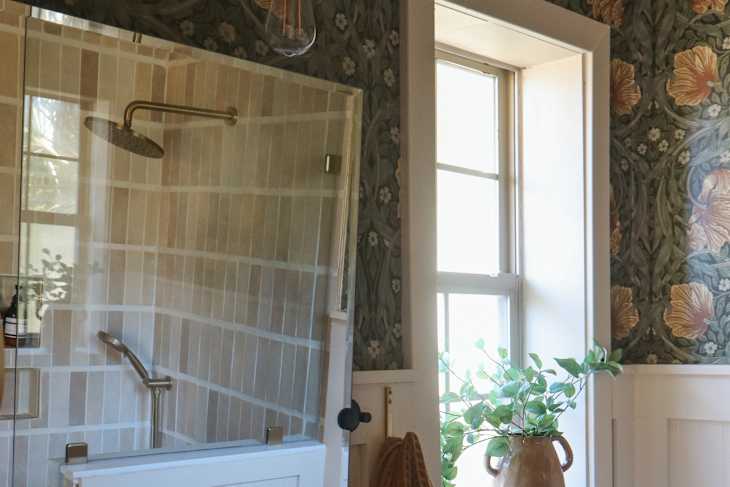
If you’ve never been so obsessed with an inspo image that you designed an entire room renovation around it, we might not be the same kind of DIYer — because that’s exactly what happened when I first saw chunky grout, aka oversized grout lines between tiles.
Inspired by a Cle Tile photo I came across on Pinterest, I learned that playing around with how much grout you use can make a design statement in addition to the tile itself. I instantly knew I wanted to get a bit heavy-handed with it when my husband and I embarked on our bathroom renovation about a year-and-a-half ago.
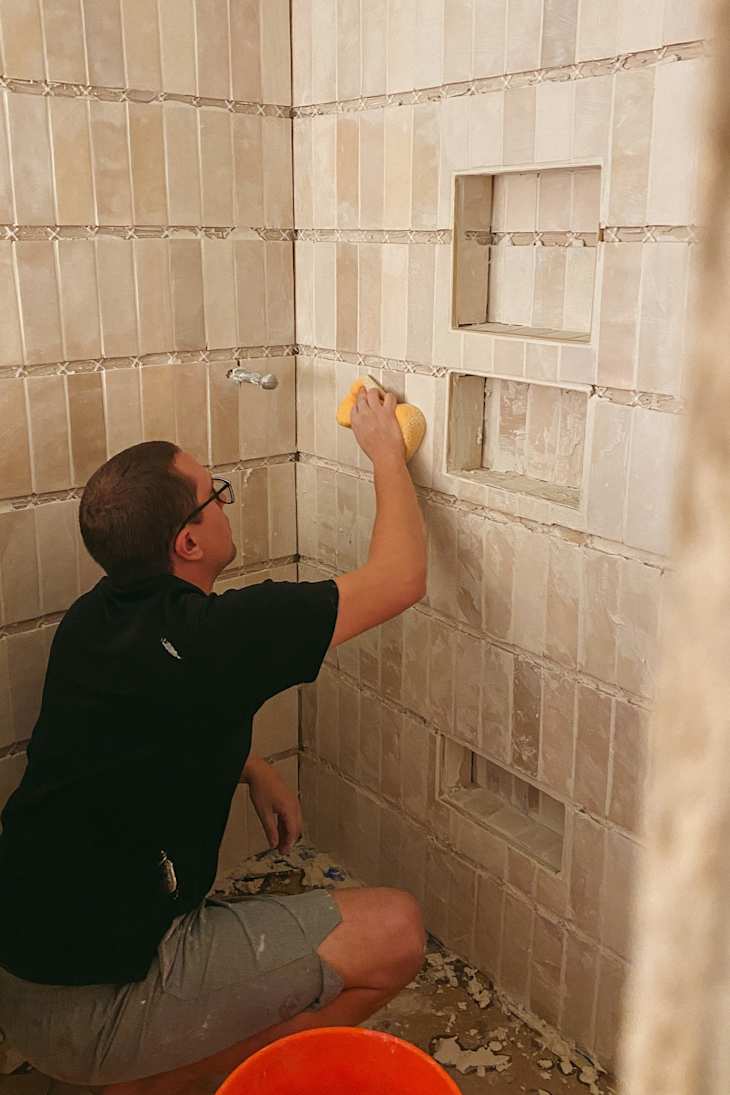
I wasn’t sure how this would look in real life, how it would hold up, or whether I’d get sick of it. Still, I went for it: a chunky grout line between vertically stacked zellige-look tiles in my bathroom.
There were (many) doubters in the comment section when I first shared the process on Instagram, but it’s been over a year since we finished this project and I can confidently say I was happy to be the guinea pig here. Here’s why I would happily go for chunky grout again.
But first — what is chunky grout, and how can I get the look?
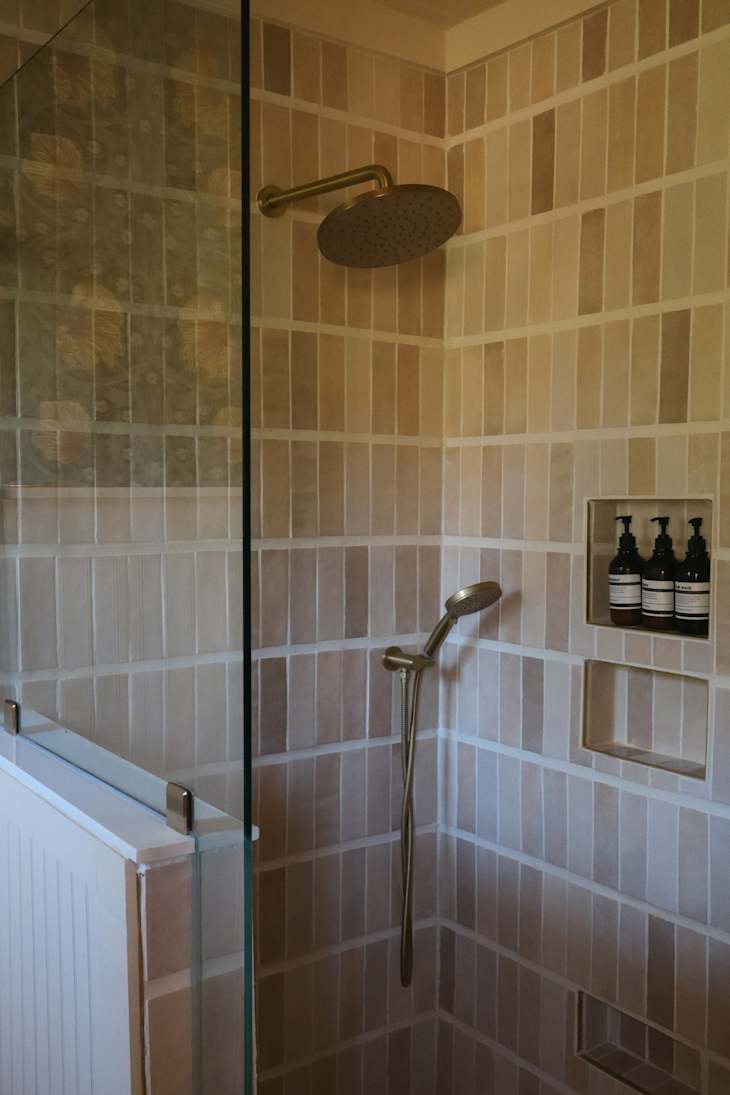
If you’re not familiar with this (admittedly divisive) trend, it’s exactly what it sounds like — going for an exaggerated, very thick grout line between rows of tiles (and even individual tiles).
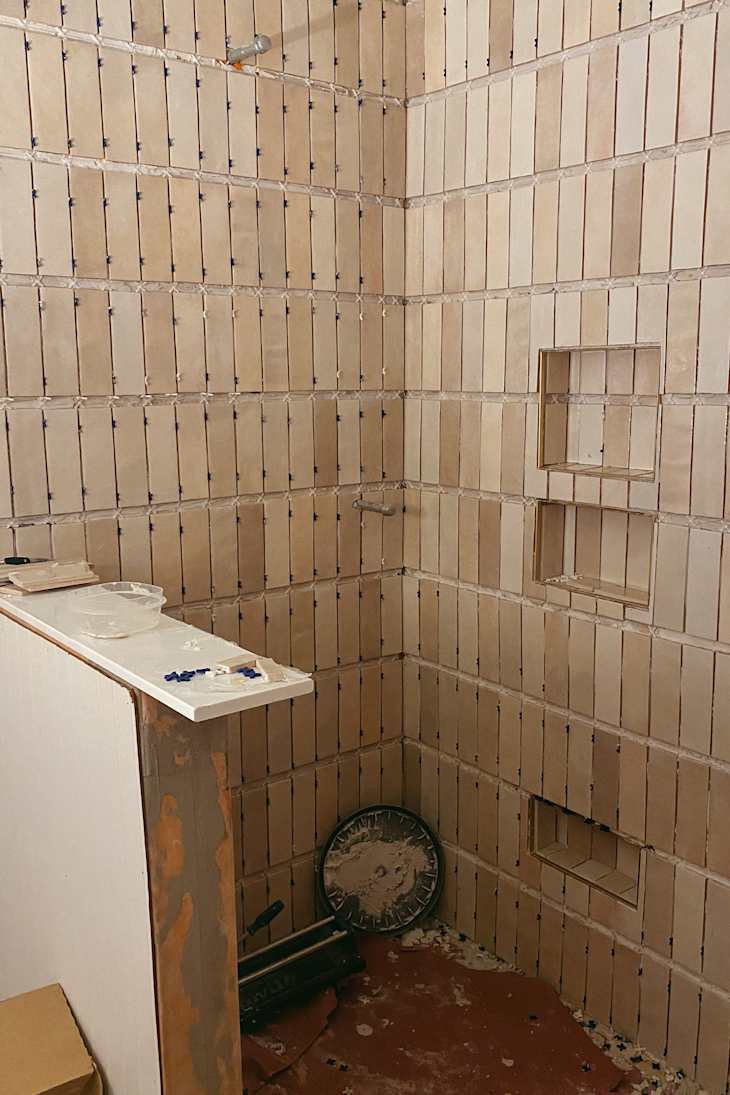
In the case of my shower, we used a 3/4-inch grout line paired with a premium grout formulated for wider joints. It makes more of a bold statement that feels like it belongs in a boutique spa, and I think the color of my tile helps give the layout an old-world, organic look.
Tile manufacturers like Cle and Fireclay typically recommended grout joint sizing for their different tile styles (the standard is about 3/8”). For a chunkier grout line, you could try doubling the recommended joint size on your box of tile. But ultimately, it depends on the type of tile and the aesthetic you’re going for. The experts at Cle Tiles say “with the prevalence of exaggerated grout lines … things have become a little more complex.”
The Cle Tile website points out that if you do choose to go with a chunkier grout line, you won’t need to order as much tile. It’s all a matter of careful measurement and precise planning, and that was definitely true for my bathroom reno.
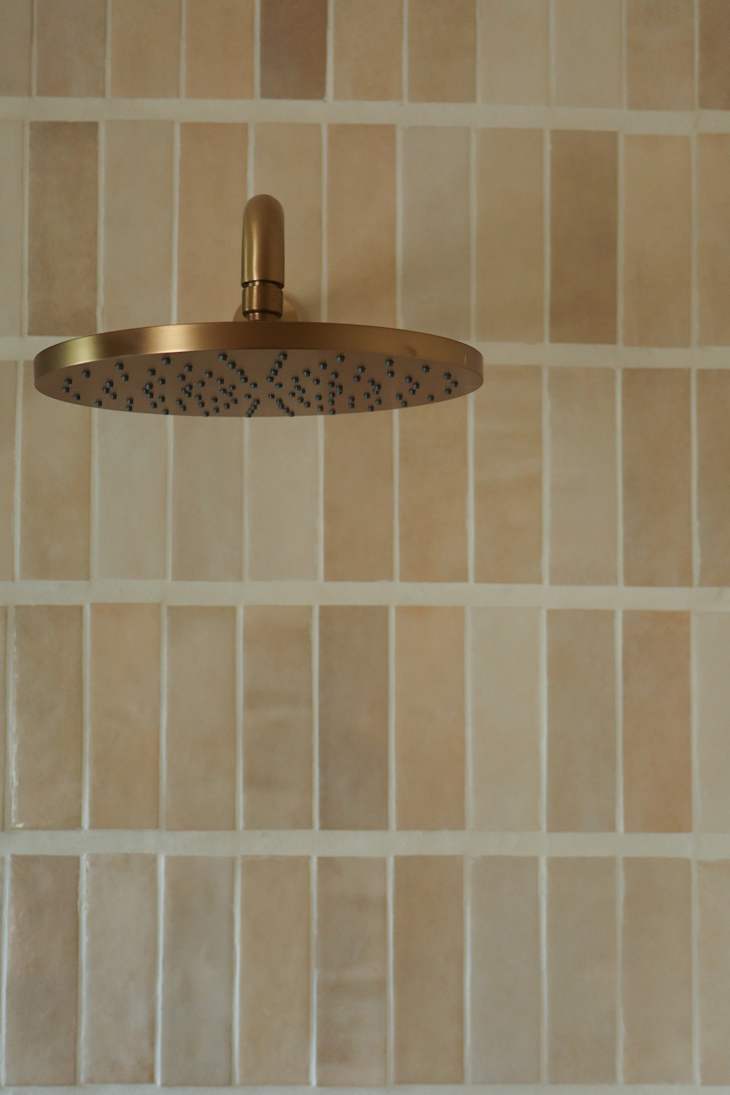
So, how has my chunky grout held up day-to-day?
Better than I expected! It’s been about 18 months, and we haven’t seen any cracking, mold, or discoloration (which were the biggest concerns we had after reading the Instagram comments). I used a high-quality grout sealer when we finished the job, and I’ve done the same again about a year in, which I’m sure helped.

We clean the shower like we would any other — no special products or scrubbing rituals, just a generic tub and tile cleaner and a wipe-down every week (or two, if we’re honest). And despite some initial fears, there’s been no mildew buildup in the joints.

Would I do it again?
Absolutely! I truly love how it looks and get compliments on it all the time. We’re currently in the process of moving from this house, and I’m already dreaming up how I can do something similar in the next one to give that same spa feel without a high-end budget.
If you like the aesthetic but want a less risky version, you could fake the look with a pencil or subway tile between stacked tiles. But honestly? Chunky grout deserves a little more credit.