
The 5 Best Ways to Clean the Greasiest Parts of Your Kitchen, According to Pro Cleaners
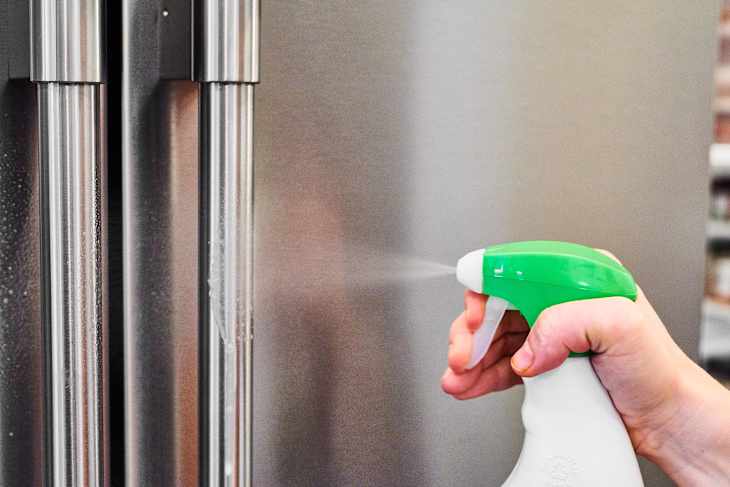
Grease is an annoying inevitability about life. It shows up on the stove and backsplash when you cook, on windows when someone leans up against them, on grills, on appliances, on garage floors, and pretty much everywhere else. Luckily, a good degreaser can tackle most, if not all, of these oily spots. But what’s the best degreaser to use on different surfaces in your kitchen? And can you make your own?
To get my kitchen degreased for good, I asked cleaning experts about the best degreasers on the market today, how to best use them, and what to avoid, and here’s what they said.
What Is a Degreaser, Anyway?
Degreasers are solutions specifically designed to cut through the grime of a mess to clean it up efficiently. Generally, all you need to do is spray it on, let it sit for up to 10 minutes, and then wipe the surface clean. It’s an easy task but with some oftentimes strong chemicals, so be sure you rinse the spot with warm, clean water when you’re done.

Best Budget Degreaser: Simple Green’s All-Purpose Cleaner

Overwhelmingly, all of the experts I spoke to chose Simple Green’s All-Purpose Cleaner as the best budget degreaser. “It’s affordable, eco-friendly, and a great entry-level degreaser for everyday kitchen messes,” says Jessica Gonzalez, a cleaning expert and the chief operating officer of Sparkly Maid San Antonio. “It works well on stovetops, cabinets, and appliances without the harsh chemicals.”
Some runners-up were Easy Off Heavy Duty Degreaser, which Elizabeth Shields, operations manager of Super Cleaning Service Louisville, says has a high performance level and smells a bit nicer than standard degreasers; and LA’s Totally Awesome All Purpose Cleaner/Degreaser, which Matthew Baratta, vice president of operations at industrial cleaning equipment company Daimer Industries, says works on a variety of grease-related messes.
Best All-Natural Degreaser: Puracy Multi-Surface Cleaner

Puracy Multi-Surface Cleaner takes the top spot for the best all-natural degreaser. It uses “plant-based ingredients, essential oils, and no harsh chemicals,” Baratta says, which means it’s “safer for indoor air quality, skin, and the environment while still effectively cutting through grease.”
Some other all-natural options the experts recommended include ECOS Orange Plus Degreaser, Seventh Generation’s Free & Clear Degreaser, Method, and Better Life. All of these are plant-based and use essential oils and natural extracts.
Best Heavy-Duty Degreaser: Krud Kutter Original

For tougher grease problems, Scott Schrader, cleaning expert at CottageCare, says Krud Kutter Original is best, noting it works on all types of grease gels and liquids, and that the product has no toxic chemicals.
Best Overall Degreaser: Krud Kutter Original
The overall winning degreaser? Krud Kutter Original. It may not be as light as the others, but it’s still gentle enough to use all over your home. Shields notes that Krud Kutter is water-based and works both indoors and out. It’s also eco-certified! If you can’t find Krud Kutter near you, Gonzalez and Shields also recommend Puracy Natural Multi-Surface Cleaner and Easy Off Heavy Duty Degreaser as top-notch picks for all kinds of grease messes.
Best Homemade Degreasing Solution: Vinegar, Baking Soda, Water & Essential Oil
Making your own DIY degreasing solution is pretty simple and uses ingredients you likely already have in your home. The experts suggest mixing together one cup of white vinegar, one cup of hot water, one tablespoon of baking soda, and a few drops of your favorite essential oil (the pros recommend lemon for the fresh scent). Spray it on the greasy surface, let it sit for up to 10 minutes, and then wipe it off.
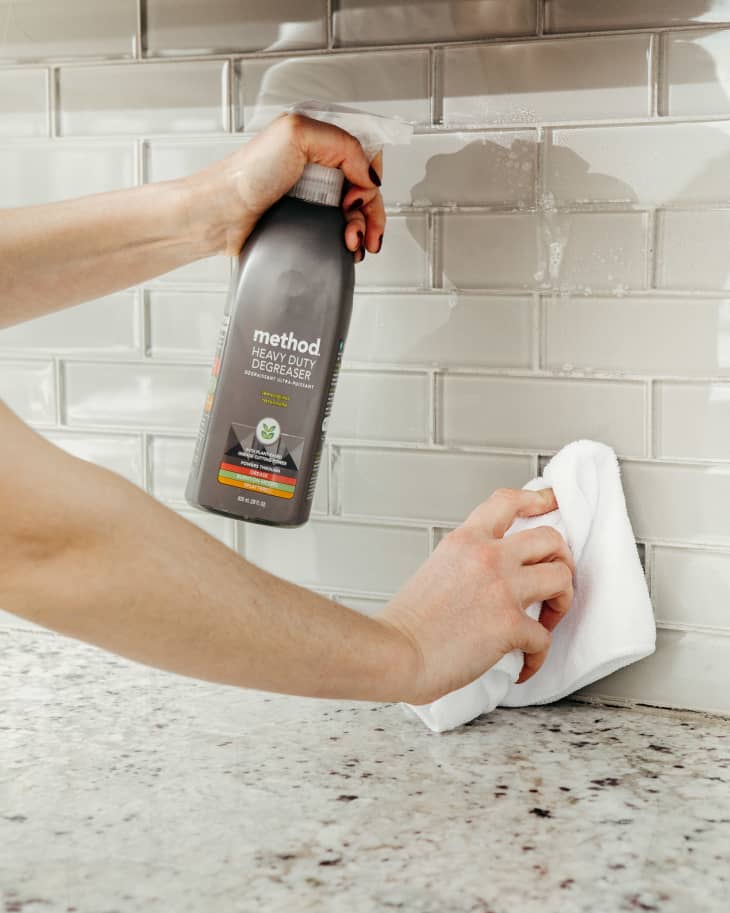
How to Use Degreaser in Your Kitchen
After you’ve chosen your degreaser and made sure it’s usable on the surface you plan to clean, there are a few things you can do to make the process easier. (Of course, always follow the instructions on the label.)
- First, put on a pair of gloves, especially if you have sensitive skin.
- Make sure a window is open for ventilation.
- Pre-wipe the spot with a warm damp washcloth to remove any loose grease or other material.
- Spray on the cleaner and let it sit for a few minutes before wiping it clean, again with warm water.
- Optional: Combine the degreaser with a steam treatment for especially tricky spots.
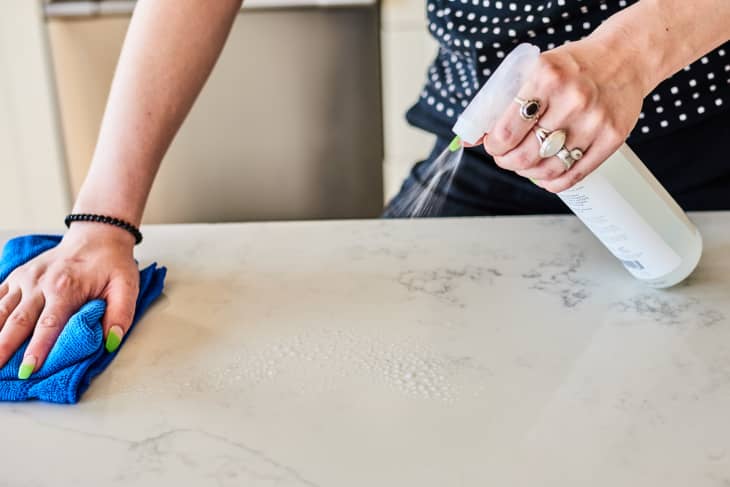
Surfaces You Shouldn’t Use Degreaser On
It may seem like a miracle cleaner, but degreaser can (and will!) destroy certain surfaces, so always read the label before using.
“Paint will break down into patches, or there will be some streaking,” Shields says. “For stone like marble or granite, degreasers can be way too harsh. You can expect dull spots or etching that’s hard to fix. Raw or unfinished wood will be dried out and may even warp. Don’t attempt to use it on glass or mirrors, either. It will leave a streaky film and cloud things up.”
Don’t use degreaser on anything delicate, either, like electronics or fabrics. The cleaner will most likely ruin them.
Do you have a favorite degreasing product? Let us know in the comments below!
This post originally appeared on The Kitchn. See it there: The 5 Best Ways to Clean the Greasiest Parts of Your Kitchen, According to Pro Cleaners