
My Neighbor’s Clever Tip for Spending Less on Groceries (It’s Financial Expert Approved!)
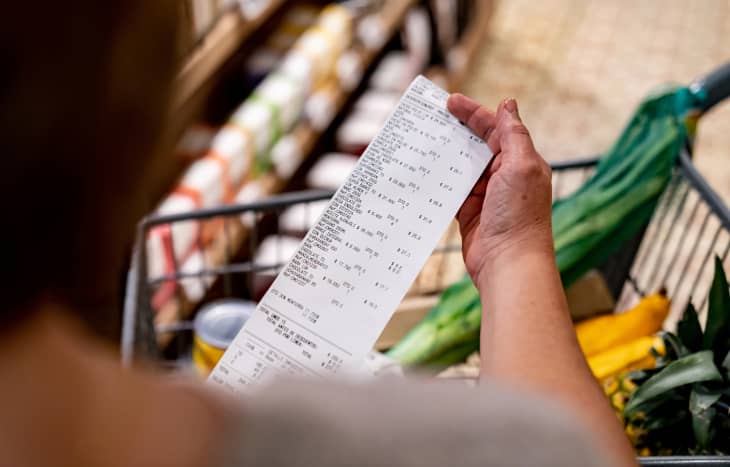
Saving money can feel like an uphill battle, especially when it comes to groceries. Like many others, I’ve noticed the shortages and price fluctuations affecting items like cartons of eggs, coffee, meat, and so much more due to tariffs, supply chain disruptions, and environmental factors like bird flu and natural disasters, among others.
It’s hard to keep up, but we can still shop savvier to keep our own grocery bills as manageable as we can. Of course, there’s no one-size-fits-all approach when it comes to budgeting. So I wanted to know what money experts do to stretch their dollars at the grocery store.
I asked three financial advisers how they’re saving money on groceries, and they all emphasized one surprisingly simple principle.
The Best Way to Save Money on Groceries, According to Financial Advisers
The key for Sam, a wealth management adviser in North Carolina, is to follow a plan that’s “as simple and consistent as possible.” The easiest way to do this is to keep a curated grocery list. In Sam’s case, he focuses on a few main categories, like picking “a protein, vegetables, and grains” each week to easily create filling meals like grain bowls, roasted meats and veggies, and soups.
But that doesn’t mean his meals are bland or boring. In fact, it’s the total opposite. Similar to the viral 6-to-1 method, think of it as an outline or blueprint to help you stay on budget. There’s still a ton of flexibility within those categories for you to create new and exciting meals each week.
You could pick up on-sale chicken drumsticks one week and frozen shrimp the next. In-season (and often cheaper) produce like squash, mushrooms, carrots, and onions are plenty versatile. Even swapping in a grain like farro or rice will add newness to your dinners.
Artie, a family friend and financial adviser in Kentucky who’s been budgeting carefully for years, applies this same logic to breakfast as well. He buys a bunch of bananas, oats, and yogurt and will switch between yogurt bowls, oatmeal, and even oat-banana pancakes.
He and his coworker, Arnold, wholeheartedly agree with Sam and swear by meal planning around “a few core ingredients that can be used in multiple ways.” It’s helped them both “save money, reduce waste, and shop far more efficiently.” Going in with a clear plan means you’re less likely to impulse shop and overspend on items that you don’t need. Over time, even small savings add up to long-term budgeting wins.
What’s your favorite money-saving tip? Tell us about it in the comments below.
The Weekly Checkout
Sign up for The Weekly Checkout to get the most up-to-date grocery news, tips, and highlights.
This post originally appeared on The Kitchn. See it there: My Neighbor's Clever Tip for Spending Less on Groceries Is Even Beloved by Financial Experts