
I Tried 4 Popular Methods for Cleaning a Coffee Maker, and There Was a Clear Winner
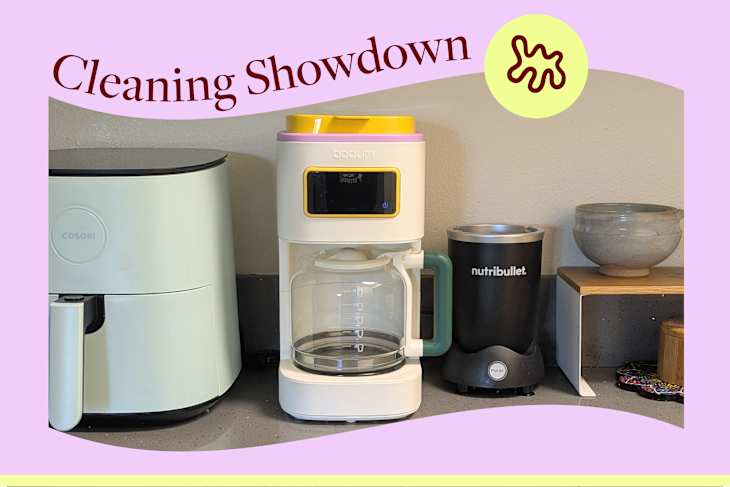
My husband Dave became a self-proclaimed coffee snob during the 2020 lockdown, which means I’m always on the lookout for great beans and unique coffee accessories. For his birthday in October, I surprised him with the Bodum 12-Cup Coffee Maker — and as a coffee lover, he couldn’t have been happier. As someone who loves cute kitchen decor, I was thrilled, too. But there was one unexpected downside: A light-colored coffee maker shows everything. And pretty quickly, I realized that my usual cleaning methods weren’t cutting it.
Dave and I make coffee about five times a week, so our machine gets a lot of use. Although I had cleaned it once before in late November, it already felt like it needed something more thorough (especially since we live in an area with relatively hard water). So I decided to test the most popular coffee maker cleaning methods and products to see what actually worked. Surprisingly, the winner turned out to be a simple, food-grade product.
The Best Way to Clean a Coffee Maker
Citric acid stood out as the best method for regular coffee maker cleaning and maintenance, especially in hard water homes. It removed the most visible debris, eliminated lingering odors, and noticeably improved brew speed. As a food-grade, eco-friendly product with multiple household uses, it was also the most versatile and practical option tested.
How I Tested the Methods
I tested four different cleaning methods over the course of 12 days. I used the coffee maker as normal (six cups every three days), then cleaned it using one method before moving on to the next. Before testing, I had only cleaned the machine once using a basic vinegar and water mixture.
How I rated them: Each method was scored on a scale of 1 to 5 (with 5 being the best), based on overall effectiveness, convenience, and time spent.

Method 1: Vinegar
Rating: 2.5/5
Method: I mixed one part water with one part vinegar and filled the reservoir. Following The Kitchn’s method, I ran a half cycle, let the solution sit, completed the cycle, then ran a full cycle with distilled water.
How it went: This was the method I’d already used once before, so I expected decent results. Instead, I was disappointed by how much debris remained in the chamber. While the water in the pot looked cleaner after the rinse cycle, I still had doubts about how clean the internal parts actually were.

Method 2: Affresh
Rating: 3/5
Method: Following the instructions on the Affresh box, I filled the reservoir to the max line with water, dropped in a tablet, ran a brew cycle, discarded the water, and followed with another full cycle using distilled water.
How it went: I had used these tablets several times in the past and have always liked how easy they are to use (no measuring or mixing required). I could see the fizzing action in the reservoir, but the chamber still looked fairly dirty. That said, I did notice that my coffee brewed faster the next day, which suggested it helped clear some internal buildup.

Method 3: Durgol
Rating: 4/5
Method: I followed the Durgol label instructions for cleaning coffee machines, using 8 ounces of solution per cup of cold water. After discarding the dirty brew, I ran two full rinse cycles with distilled water.
How it went: This one clearly worked. The scent was strong, and the performance matched it (it removed far more debris than the vinegar or tablet methods). Like I did with the Affresh tablet method, I noticed faster brewing afterward. I also tested this on a shower head with mineral buildup and saw an immediate difference, which confirmed it was effectively removing limescale.

Method 4: Citric Acid
Rating: 5/5
Method: Because the package didn’t include instructions, I researched a few methods and used two tablespoons of citric acid mixed with four cups of water. I ran a brew cycle, discarded the dirty water, then ran a full rinse cycle with distilled water.
How it went: This one shocked me. I’d only ever seen citric acid as an ingredient in other cleaners — but it performed better than every other method I tried. Nearly all the debris disappeared from the chamber, and the machine actually smelled clean afterward. I also appreciate this product’s eco-friendliness and versatility (it can be used for candy-making, as a natural preservative, and even to make bath bombs).

Conclusion
For regular maintenance, citric acid is hands down the best method I tested. It removed the most debris, smelled clean, and felt like the most effective all-around solution. That said, if your coffee maker or espresso machine has heavy mineral or limescale buildup, a dedicated descaling solution like Durgol is still a great option. For me, though, the winner was clear — and this simple, food-grade ingredient is now a permanent part of my coffee maker cleaning routine.