
The “Broken Windows Theory” Shifted My Whole Perspective on Cleaning

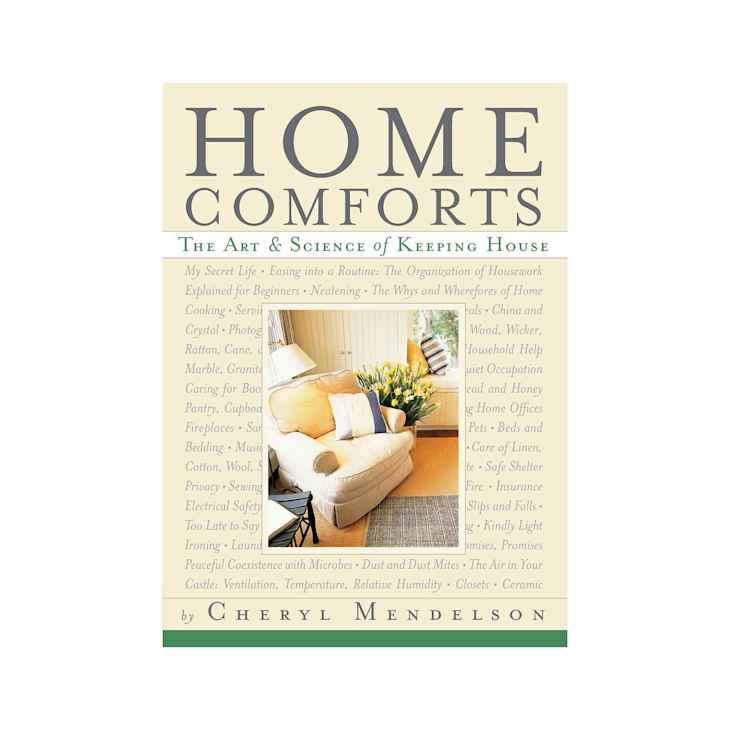
I recently wrote about the lessons I learned from Home Comforts by Cheryl Mendelson, a 20-year-old book that changed the way I keep house. One such lesson that Mendelson talks about is the “broken windows theory” — and it’s been a guiding principle in how I run my household. Here’s how it’s made such a huge difference in keeping my home in order most of the time.
What Is the Broken Windows Theory?
The broken windows theory was defined in 1982 by social scientists James Wilson and George Kelling, who drew on earlier research by Stanford University psychologist Philip Zimbardo. According to Psychology Today, the theory argues that “no matter how rich or poor a neighborhood, one broken window would soon lead to many more windows being broken” — with the broken windows serving as a metaphor for any visible sign of disorder in an environment that goes untended (for instance, small crimes, vandalism, or disorderly conduct).
Though not without controversy, the broken windows theory was used to create policies that targeted petty crime to staunch the commission of major crimes. The overall idea is that tending small issues prevents bigger ones.
How the Broken Windows Theory Applies to Caring for Your Home
Criminology and caring for the home may not seem to have much in common. But the broken windows theory interfaces perfectly with keeping a home in a way that doesn’t allow it to devolve into utter disorder, which, incidentally, requires a big cleanup job and a messy house in the meantime. None of that is fun.
Keeping in mind that small messes (the “broken windows”) can lead to the impression that no one is watching and that it’s OK for things at home to be left unattended or tended to later. This in turn leads to a lackadaisical attitude about cleaning up as you go. Before you know it, there are dishes piled in the sink and spilling over onto the counter, the toy mess in the playroom keeps getting bigger, and there are half-folded laundry piles throughout the house.
On the other hand, if the sink is pristine, the toy room operates under the guideline that one activity must be put away before another one is begun, and the laundry is put away in a timely manner, the house stays much cleaner. This isn’t only because these first-line messes are put away; the messes that are addressed in the moment prevent further messes from happening. A clean room or space implicitly encourages others to keep them that way because, subconsciously, no one wants to mess anything up.
How the Broken Windows Theory Keeps My Home Clean
I’m always talking to my husband and children about maintaining our home. Placing dirty cereal bowls and spoons in the dishwasher instead of the sink or putting jackets away in the coat closet rather than on the foyer floor not only gets those jobs done in the moment, but also prevents others from adding to the mess. It’s so much easier to put a second dirty plate in a sink that already has a pile of dishes in it. What’s one more? But the subtle message of a clean and empty sink is to keep it that way.
While the broken windows theory may not be something my whole family is aware of, it is the underpinning of the routines, methods, and habits I try to implement in our home. I also think of this as “cleanliness begets cleanliness,” which is just as true as ever, but the broken windows theory explains the psychology of why this is the case.
Maintaining clean spaces is therefore a priority in how I keep my home. Whether I’m the one doing it or I’m guiding my kids to do their part, taking care of messes in the moment and resetting spaces daily is the goal. Does it always happen like that? Of course not. But having this perspective in mind motivates me to keep trying — and this alone makes a difference.
Looking for the best cleaning tools to buy for your home? Take a look at the winners of the 2025 Apartment Therapy Cleaning Awards.