
I Tried the “Checkbook Method,” and It Changed the Way I Think About Spending
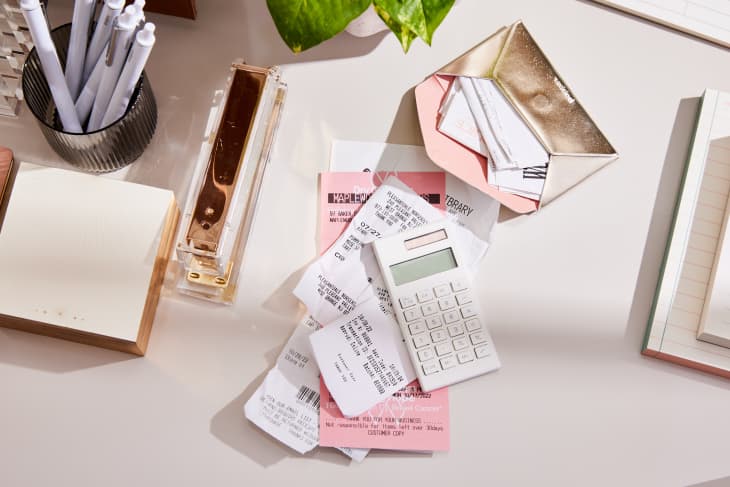
I love paying for things with my smartwatch. It makes me feel a little like James Bond and that I’m living in the future. But it does have its downsides — primarily, it makes buying things way too easy. I check my account balances daily, logging into my checking, savings, and credit card accounts, but if I wasn’t so diligent, I could see it being easy to lose track of my spending. Though I know how much I’m spending, I often struggle to categorize my expenses. To get a stronger handle on my spending habits, I decided to enact what I call the “checkbook method.”
What Is the Checkbook Method?
The checkbook method is a callback to my younger days, when I didn’t have internet at home, had to go to an ATM to check my bank account balance, and consistently used a checkbook. To use the checkbook method, you’ll first need a check register booklet — which you can get from your bank when you order checks from them, make your own using an Excel sheet or pen and paper, or purchase one online. Use the booklet to write down everything you spend money on across all your accounts, then deduct it from your total balance and keep an eye on your available funds in a more tangible way, just like you would if you were balancing a checkbook.
“What I’ve always found valuable about a checkbook register is that it helps you keep a close eye on your money and know exactly what’s in your account, not just what your bank shows online,” says Julie Beckham, financial education officer at Rockland Trust. “Your balance on a website or app may not include pending transactions, automatic payments, or checks that haven’t cleared, which can make it easy to spend money you don’t actually have.”
Surely I can’t be the only one nostalgic for keeping a checkbook register. I enjoy the physical nature of writing everything down and doing the math myself. I used a small to-do list journal as my check register and kept track of my spending for two weeks. I also made sure to pay my mortgage before getting started, so I would have mostly liquid money to shop with.

What Happened When I Tried the Checkbook Method for 2 Weeks
The first thing I learned by trying the checkbook method is that my math skills have severely suffered since I got a cellphone with a built-in calculator. Otherwise, I enjoyed this tactic. I was able to see everything I was spending in one place instead of having to log in to three different websites for all my accounts. Plus, because I wrote down what I spent on (not just how much), I was able to see exactly what wasteful spending was happening. (Sorry, Taco Bell.)
As I neared the end of my two weeks, I noticed that I had gotten much thriftier. Sometimes having to take the time to write the transaction down was enough to prevent me from spending the money, and other times the action of writing it down made me rethink what I was spending my money on. Was that wall mirror from Target really something I need right now? Or can it wait until I get another check deposit? Did I need to stop at McDonald’s for breakfast, or could I just make toast at home? (No, I didn’t need the mirror; yes, I always need McDonald’s breakfast.)
I loved keeping a checkbook register for this experiment — though I did have two small annoyances. First, I forgot I have a program installed that rounds up my withdrawals and sends the overage to pay my student loan. So, I never accounted for that. Second, I keep all my work receipts for my taxes, but my mind tricked me into thinking that once I registered the purchase in the book, I had also tracked the expense in my tracking app. I realized this after the first week of my experiment, at least, so I was able to go back and actually log my expenses.
“If you’re using [a checkbook register] today, record every transaction as soon as it happens, including credit card purchases, and compare your records to your bank and credit card statements at least once a week,” Beckham says. “This simple habit can help you prevent overspending, catch fraud early, and make more confident decisions about your spending.”
Ultimately, I found that following the checkbook method led to a more mindful spending experience. I’d recommend it for anyone struggling with spending, wondering where exactly their money is going, or just pining for an old-school experience.