
See How a Stager Transformed This Unexceptional Unit to “Make It Stand Out”
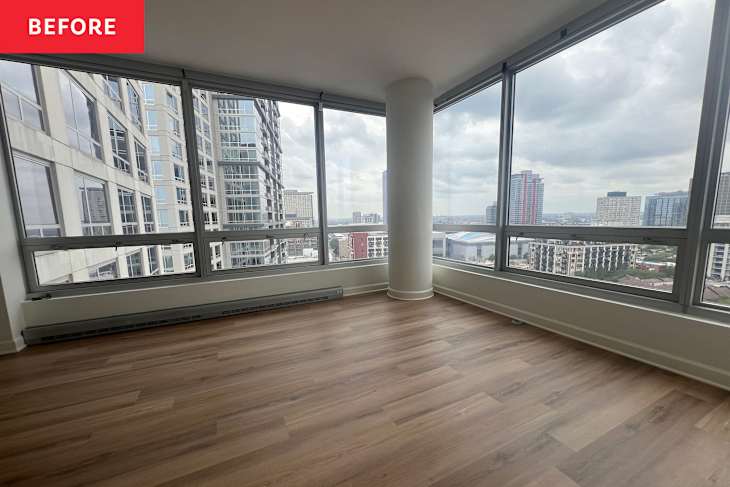
Whether someone is looking at their potential future home on Redfin or Zillow or touring it in person, home stagers do the important work of making sure that the home looks beautiful in photos and in real life — and that it stands out amid a sea of “sameness.” Home stagers not only have an impact on the decisions of potential homeowners; their work also affects the sellers of the home and the real estate agents who are working to get the home sold.

In fact, home stagers are often an agent’s “secret weapon” when it comes to getting top-notch results for sellers, and quickly. This was the case with home stager Molly Marino and the agent she worked with on a project in the Calumet region of Chicago. Marino’s staging of the unit had a dramatic effect on the entire trajectory of the sale.

Why a home stager was called in to this project
Marino explains why she was brought in to this project: “I’ve worked with this agent many times before,” she begins, and goes on to explain why this project was especially tricky.

“The units in this building tend to sit on the market for a long time because there are so many of them, and they all have basically the same layout,” she says. “To get a fast offer, you really have to differentiate the unit and make it stand out — that’s exactly what she wanted to do.”
Sometimes, drastic changes are necessary
While changes are possible with nothing more than rearranging existing furniture, sometimes more involved changes are a smart investment. In this instance, Marino decided that “it would be worthwhile to paint the entire unit before staging.” In addition, because they were in rough shape from prior tenants, Marino and the listing agent decided it would be a good idea to replace the existing laminate floors with something fresh, too.

The main staging principles used to make this space appealing
When asked what staging principles she called upon to transform this space, Marino explains, “The views are key in this space, and the rooms look long and narrow without furniture.” She used well-placed furniture to disguise any awkwardly shaped spaces.
In addition, Marino says she “focused on the basics: keeping the space open and bright, drawing the eye to the views in every direction, and showing how everyday furniture can be used to live comfortably in the home — and to entertain guests.”

To open up the space, Marino used low-profile furniture — for the sofa, chairs, and bedroom dresser. “Allow your eye to travel over the pieces and to the floor-to-ceiling windows,” she explains, specifying that she “didn’t want anything tall or obstructive.” She offers an example: “I often will only allow something with a great deal of height with a plant, particularly when dealing with a city backdrop, to create a little sense of nature in the space. As you can see it’s an urban concrete view, and the tall palm breaks up the grayness of that color palette.”
Giving another glimpse into her process, Marino shares, “I position beds on the walls with the best views so a buyer can picture themselves lying there taking in the cityscape.”

Big results
All these differences and the thought behind them made a pronounced difference in the way this unit was treated by potential buyers. Proving the power of home staging (and the influence of home stagers), Marino discloses the measurable results of this staging project.

“The average time on market in this building is about three months, which is longer than many other buildings in Chicago,” she shares. However, “We received a full-price offer in just six days.”