
8 Things Nobody Needs in a Garden
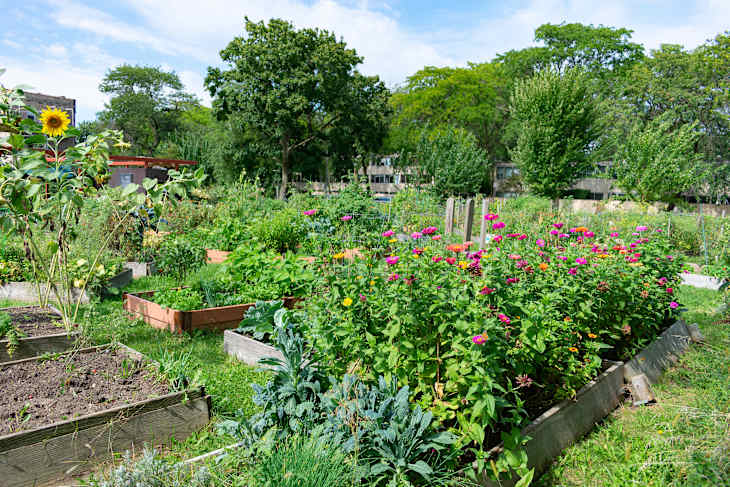
As spring heats up, moods lift and hope rises. Trees begin to leaf up again, colorful flowers burst on the scene, and a hint of warmth in the air brings the promise of both the end of winter and the coming summer. The sunshine can make you feel happy, but people who garden may be happier than most.
Avid gardeners know that gardening can make you feel good — and there’s scientific data to back this up. Soil bacteria activates serotonin in the brain, the repetitive acts of weeding or planting can increase mindfulness and focus and decrease stress, harvesting can release dopamine, and the physicality of gardening can release endorphins.
But one thing may dampen all the fun and feel-good hormones: clutter and mess left over from last season’s gardening and the winter weather. Clearing these out makes your garden (and your gardening!) the best it can be.
Here are eight things you can get rid of to make this year’s spring garden better than ever.
Broken Pots
Having extra pots on hand is common and necessary for any gardener. You’re regularly re-potting plants that have outgrown their pots, splitting plants into multiple pots, or finding a home for those impulse plant purchases. But you’re never going to reach for those broken pots. They’re not safe, and they don’t look good. This goes for pots that have unsightly chipping paint as well. Get rid of them so that any pot you reach for is one you’d be happy to display your plants in.
Dead Plants
It happens. Whether it’s ferns that didn’t survive overwintering inside or the plants you forgot to protect from that surprise frost a few weeks ago, you probably have dead plants to clear from your garden. Getting rid of them makes room for new plants to flourish. Be sure to take notes on what you think happened to these dead plants so you can protect your new ones from the same fate.
Worn-Out Tools and Gear
Gardening tools and gear suffer from the wear and tear that regular usage brings as well as the outdoor elements. Having good tools can make the difference between an enjoyable gardening session and a frustrating one. Get rid of stiff or holey gloves, shears that are dull or rusty and can’t be fixed, hoses that are sun-damaged or have holes, and anything else that’s too worn-out. Ensuring that any tool you reach for is one that will serve you well makes gardening efficient and relaxing.
Fertilizer and Accessories for Plants You No Longer Own
If you’ve been gardening for any length of time, you probably have a collection of specialized fertilizer for plants you no longer own. For example, I still have fertilizer for African Violets I no longer have. Unless you’re making actual plans to go get replacement plants, get rid of the fertilizer. If they’re not expired, offer them to neighbors or friends or see if a local garden center would like them. Otherwise, check the package for disposal instructions. Also get rid of accessories that are specific to plants you no longer own — such as orchid pots, climbing pots, or bulb vases.
Excess Planter Inserts
Saving plastic inserts from the nursery means you always have something on hand for transplants and propagations. But when your pile starts to take over your storage place, it’s time to pare down. Get rid of sizes you’re less likely to use; any pots that are cracked, broken, or an unusual shape; and anything you have excessive multiples of. You’ll feel much better when your collection is reasonable.
Duplicate Gardening Tools
Having duplicate gardening tools is a bit like having duplicate cooking tools — sometimes you need more than one, but not always, and you probably don’t need more than two. I love to garden with my kids, so keeping a couple of trowels makes sense, but having more than that is just clutter. Additionally I find that when I know I have several of one tool, I’m more careless with putting it back where it belongs and then I have trouble finding it later. Go through your gardening tools and only keep the best, favorite, and necessary.
Expired Items
Check your fertilizer, seed, and bulbs to see if they’re still good to use. You don’t want to waste time and energy using any of these if they’re unlikely to yield the results you expect. Again, clearing out fertilizer that won’t feed or protect your plants, seeds that won’t sprout, or bulbs that are soggy or otherwise unusable makes space for things that will help your plants thrive.
Garbage
Getting rid of garbage seems obvious, but you might have garbage disguised as information you think you need. For instance, if you saved plant tags, bulb bags, or seed packets to keep the information you need to take care of them, it’s time to reconsider. Snapping photos of the information and putting it in an album on your phone means the info is always handy and searchable, and you can throw all this trash out!