
Less Is More When It Comes to Plant Styling, According to This Master Gardener (She Used to Have Over 100 Plants!)
Get to know Apartment Therapy’s 2025 Design Changemakers, the talented risk-takers, disruptors, and doers leading by example and pushing their industries forward. This content is presented by Benjamin Moore; it was created independently by our editorial team.
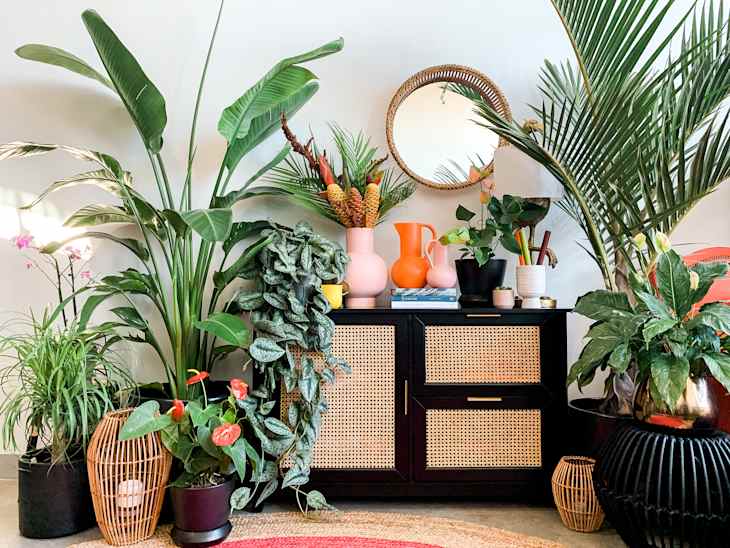
For Shayla Owodunni, plants are at the heart of everything she does. As the founder of The Plant Penthouse (@theplantpenthouse) — a Minneapolis-based biophilic design studio and botanical lifestyle brand — and a certified Master Gardener, she knows a thing or two about using nature to organically bring life to interior spaces.
“Plants are one of those je ne sais quoi components; you might not always be able to put your finger on it, but when it’s present, the space breathes differently,” Owodunni says. “What I love most about plants is how they have a unique way of accentuating the personality of any abode, regardless of design style,” she adds. Whether you’re a minimalist or maximalist, modern or traditional, she knows there’s a plant to complement your style.
For Owodunni, gardening provides greater life lessons in patience, resilience, and actively finding the beauty and excitement in every moment. “Tending to my plants is also my way of being fully present,” she says. It’s easy to fall into “burn[ing] the candle at both ends,” she says, but centering plants allows her to slow down. “There’s just something about touching dirt that becomes a sanctuary for deep thought where I can go and listen to what my spirit needs,” she says. “Plants are alive, and I believe, innately, our soul responds to that.”

The road to founding The Plant Penthouse was a natural one (pun intended). After several years of dabbling in the corporate space, Owodunni craved a more creative outlet, which is when The Plant Penthouse was born in 2020. What initially started as a blog to share her plant care and styling tips soon blossomed into an online forum filled with engaged Plant Penthouse “Residents.” This caught the eye of a TV producer, leading to an HGTV home tour spotlight where she was named an interior plant stylist. She soon began receiving design project inquiries, which led to her next big venture: opening a commercial “Plant Penthouse” studio where she could bring clients, host plant and styling workshops and events, and just create.
The journey to officially opening the studio began in late 2021. Keys in hand and a vision in mind, Owodunni began her lofty labor of love, transforming the Northeast Minneapolis commercial space into a vibrant tropical sanctuary. She began offering commercial design services that same year, but the studio didn’t officially open its doors until 2023 — and it was well worth the wait. Statement tile, floor-to-ceiling murals, eye-catching details, and of course, plants, fill this formerly industrial loft.
“It all took FAR longer than I ever anticipated (hello, humility), but going from an industrial shell to a tropical sanctuary instilled in me a new sense of confidence for what’s possible when I’m designing a space,” she says.

Today, The Plant Penthouse is more than just a blog or design studio. It’s a living, breathing, and constantly evolving reflection of Owodunni’s passion and commitment to creating intentional and deeply impactful spaces inspired by nature. From workshops to community educational initiatives to fresh creative endeavors like sculptural installations, nothing is off the table for Owodunni and The Plant Penthouse. At its heart, however, Owodunni hopes to drive meaningful change in the interior design space, creating spaces that feel like social heirlooms, rich with personality, intention, and care, and inspiring others to do the same.
“I want people, especially Black women and people of color, to see themselves reflected in design narratives that celebrate vibrancy, depth, softness, and multidimensionality. I hope to be part of a fresh wave redefining what a designer looks like — and what stories design is allowed to tell. Because it’s always speaking,” she says.
Building her own design studio wasn’t the end of Owodunni’s professional endeavors. In 2024, she completed the academic and volunteer requirements administered by the University of Minnesota Extension to obtain her Master Gardener certification. She wanted to complement her years of plant experience with horticulturally sound, science-backed knowledge. Owodunni left her mark coordinating the program’s first, and now annual, houseplant fundraiser sale. To maintain her certification, she has to complete 25 hours of volunteer service and at least 12 hours of continuing education annually — she says it’s this combination of learning and giving back to her community that makes this certification such a joy.
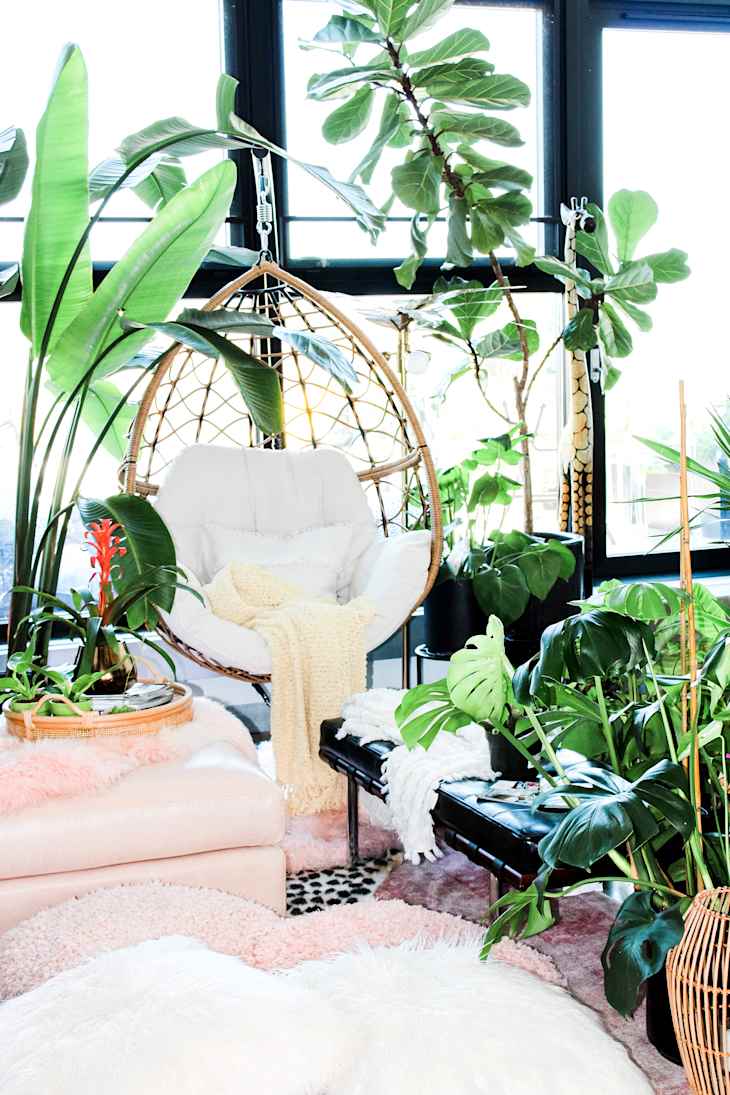
Using plants to transform interiors into vibrant tropical oases is Owodunni’s passion. Bold, colorful, opulent, and maximalist are just a few words that describe her style. But good biophilic design is about more than just filling a space with plants — it’s about taking inspiration from nature to create spaces that feel calming, inviting, and deeply connected to the world around us.
“Plants are a timeless design element that allows you to scale up or down for impact, which makes biophilic design a rare trifecta: complementary, tasteful, and adaptable — and exactly why I’ll always recommend nestling it into both residential and commercial spaces alike,” she says.
While Owodunni acknowledges that houseplants became very “en vogue” in 2020, when everyone was cooped up at home, she now prefers a more minimalist approach. She’s pared down from 100 plants to around 15 to 20 in her home today (the rest are in her commercial studio!). You can also responsibly downsize by gifting them to friends and family or selling or giving them away online to fellow plant lovers on places like Facebook Marketplace or Etsy.

“Set yourself up for success by choosing plants that fit how you live — not solely based on what’s popular on Pinterest. A single healthy plant in the right spot will always make more of a visual statement than a dozen that feel forced,” she says.
Owodunni believes plant design is shifting away from solely aesthetic-driven plant collecting and toward wellness-driven integration (i.e., using plants and nature-inspired design to influence how we actually feel in our spaces). “In a sea of ‘more is more,’ I see a resurgence of people who are craving authenticity, calm, and connection, and I wholeheartedly believe that plants stand the test of time in meeting those needs,” she says.