
6 Thrift Store Red Flags to Avoid at All Costs, According to Designers
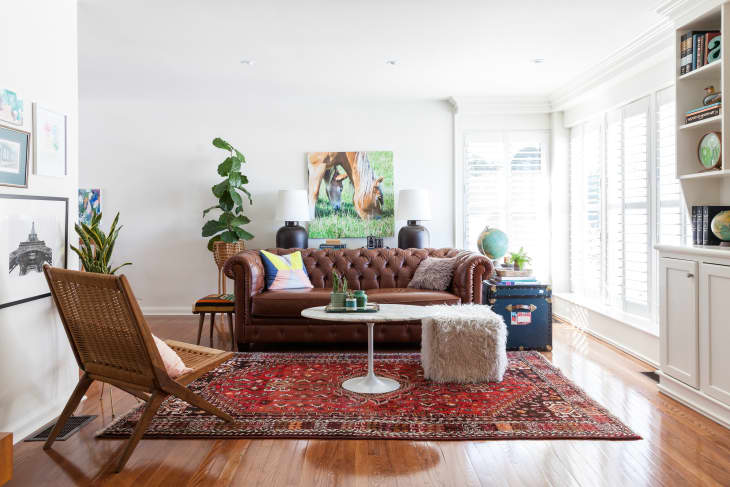
Thrift stores are a gold mine for unique pieces. As designer Sara Swabb, founder and creative director of Storie Collective, puts it, secondhand shops are some of the few places left where you can find affordable pieces with real history, patina, and personality.
Thrifting can be incredibly rewarding. However, even the casual vintage enthusiast has likely experienced the emotional roller coaster that is finding that “holy grail” piece — perhaps the Tiffany-style lamp from your Pinterest boards, or the spice rack trending on TikTok — only to check the price tag, fall into sticker shock, and wonder if you somehow wandered into a designer showroom instead.

The key to a successful thrift? Knowing when to walk away from finds like that. Natasia Smith, cofounder of Re-Find, says that although she and cofounder Sandy Baisley often leave thrift stores empty-handed, they’re in it for “the long game.” “Our clients ultimately benefit from the truly special, one-of-a-kind pieces we uncover,” she adds.
You might feel like it’s fate to have stumbled across that “rare” piece, but if it’s overpriced, damaged, or in bad condition, is it really worth it? Where do we draw the line? I spoke to interior designers (and vintage enthusiasts) to find out which items or categories they tend to avoid when sourcing vintage pieces — and some of their answers might surprise you.

Worn Upholstered Furniture
While it’s understandable you might be eyeing that 1970s-era velvet couch or mid-century bench, Swabb says it’s best to tread lightly with such upholstered pieces — particularly if they’re showing their age. “I am cautious about heavily worn upholstered furniture, especially sofas and armchairs,” she says. “They are often priced optimistically, but reupholstery can quickly exceed the value of the piece, and underlying structural issues are not always visible.”

“Trendy” Pieces
As mentioned above, certain vintage pieces often trend on social media, and as a result these items will usually be marked up — unless you’re super early to the trend and actually manage to snag a good deal. But, for example, if that vintage IKEA lamp you saw on TikTok is priced 10x higher than any of their current inventory, it’s best to leave it behind.
Laura Medicus, owner of Laura Medicus Interiors, encourages shoppers to eschew the trends and just buy what makes your heart sing. “Many people who shop in thrift stores aren’t looking for that carved, vintage side table with the scuffed marble top or the wood framed mirror where the mirror has started de-silvering,” she explains. “Look for things with some patina or for something that’s unique that hasn’t hit mainstream trends yet.”

Antique Books
Although they might look great on a shelf, Sandy Baisley advises that vintage books that aren’t actually readable are generally more trouble than they’re worth. Really old books with beautiful covers are often priced high, but they’re too fragile to handle.
By all means, though, she says you should still seek out secondhand books — just in usable condition. “With that said, Goodwill is usually the exception, with books typically priced between $1–$4,” she adds.

Factory-Made Ceramics
Mass-produced goods aren’t a problem unique to modern times. For decades in the 20th century especially, overconsumption ran wild. And now, those pieces are ending up at thrift stores. While some mass-produced vintage ceramics and glassware have become trendy and desirable in recent years, they just aren’t all that special.
Swabb says that these readily available vintage pieces are often marked up at thrift stores, despite being easily found elsewhere. So if you really love that one factory-made mug, but it’s a bit out of budget, just hold out for a bit. You’ll probably be able to find one in better condition or at a better price elsewhere. Or, even better, spend the money on a one-of-a-kind piece from a local artist!

Mass-Produced Artwork
Buying mass-produced art at the thrift store somewhat defeats the purpose of thrifting artwork in the first place. Even though sometimes these prints look pretty cool, designers recommend holding out for original pieces, which carry more character. “Mass-produced art is another category we approach with caution,” Baisley says. “Instead, we suggest looking for signed, numbered prints or original works.”

Inauthentic Antiques
Lots of modern-day manufacturers are making “dupes” of vintage designs, and it can be hard to tell the difference sometimes when they end up at the thrift. “Many items [can] appear vintage or antique, but are actually inexpensive reproductions,” Baisley says. “Look for signs of authenticity like [a bit of] natural wear, old nails, or markings on the underside that indicate provenance.” If you care about the quality and longevity of the pieces you thrift, she recommends you steer clear of these reproductions secondhand.