
The Functional 400-Year-Old Feature I Wish Every Home Still Had — Especially in a Heat Wave
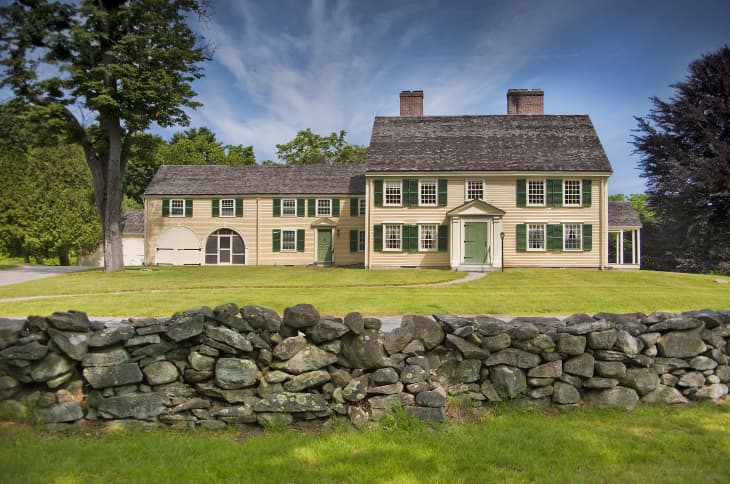
The technology of building a house may be constantly evolving, but there are some things that stand the test of time. Long before — as in, centuries before — the advent of air conditioning units, people had to come up with other clever ways to circulate air through a home. And if you talked to a 17th century builder on the cutting edge of climate control, they would have told you there was a simple solution to bringing cool air in and pushing cool air out.
That solution? A window that opens both from the top and bottom. These are called double hung windows, and they’re one of the most simple and effective ways to cool a home.
To learn more about how double hung windows were developed, how they work, and how they’re used today, we asked some experts — real estate and renovation duo The Brownstone Boys, and design and construction consultant k.smith x design firm — to share their experience in the field.

What Are Double Hung Windows?
Double hung windows have a simple construction — they consist of two sashes (the interior frame that holds the panes of glass) that operate independently. You can pull the top sash down or the bottom sash up. These can go up and down at the same time, or you can open just the top or just the bottom.
Today, you’ll often find double hung windows that also tilt inward in addition to moving vertically up and down.
What’s the alternative to a double hung window? As you might guess, it’s a single hung window. Typically, these have a fixed upper sash and a lower sash that moves up or down. These are why people often think of windows as only opening on the bottom. Single hung windows are more affordable than double hung windows because they’re less intricate, but they also provide less ventilation than double hung windows.
How Do Double Hung Windows Work?
Originally, double hung windows were designed to circulate air throughout a home. If you opened both sashes, you’d have space for air to come in and escape both on the top and bottom of the window. Because hot air rises, the hot air would go out through the top, and cool air would come in through the bottom.
“Functionally, the ability to open both the top and bottom sashes allows for better air circulation, which is especially helpful in homes without central air,” explains Barry Bordelon, co-founder and owner of renovation and real estate duo The Brownstone Boys, with Compass.
Kate Smith, founder and principal designer of k.smith x design firm, points out that the other primary benefit to double hung windows, particularly modern windows that tilt inwards, is that they’re easy to clean. You don’t have to get on a ladder to clean the windows from the exterior. Instead, you can tilt each sash inwards, cleaning the exterior from the interior.
The History of Double Hung Windows
Double hung windows first rose in popularity during the 1600s, when they were developed as one of the early forms of air conditioning, says Bordelon. Their popularity rose throughout the centuries, and, by the 1700s they were seen in the United States in Georgian and Federal style architecture.
“In our brownstone renovations across Brooklyn, double hung windows are everywhere, particularly in buildings from the late 1800s,” says Bordelon. “We often uncover original frames or weights during the demo, and when restoring or replacing them, we always aim to honor the original proportions and sightlines.”
The double hung windows that are often used today — those that tilt inward — are a more modern invention. These became the standard in the late 20th century, much to the relief of homeowners looking for an easy way to keep light streaming in through clean windows.
Are Double Hung Windows Still Used Today?
Bordelon notes that the Brownstone Boys’ goal is always to restore the original double hung windows whenever possible (you can’t beat that original window charm!), but there are times when new windows are a necessity. In those cases, he says, “We opt for custom wood or wood-clad double hung styles that maintain the historical integrity of the home. They’re a staple in our design language because they feel period-appropriate but also meet modern needs.”
Even in new-build homes, double hung windows are one of the standard window types used in residential architecture today; however, many people don’t realize what they have. Smith explains, “When used properly, the double hung window cycles air through a space, but, surprisingly enough, many people are not using the window to its full potential.” Plus, some Redditors note that double-hung windows can have draft issues if you want to keep cool air in or warm air out. But for folks who absolutely love fresh air in their homes, double hung windows are still put in homes and are available to buy at major retailers.
Homeowners may be excited at the prospect of a double hung window for easy cleaning, but they don’t know the history or science behind the window. While they might not keep you cool in the midst of a heat wave, double hung windows are one of the most efficient ways to keep air moving throughout your home during those mild spring and fall days.