
The Farmer’s Almanac Predicts a Warm Fall — Here’s What That Means for Your Garden
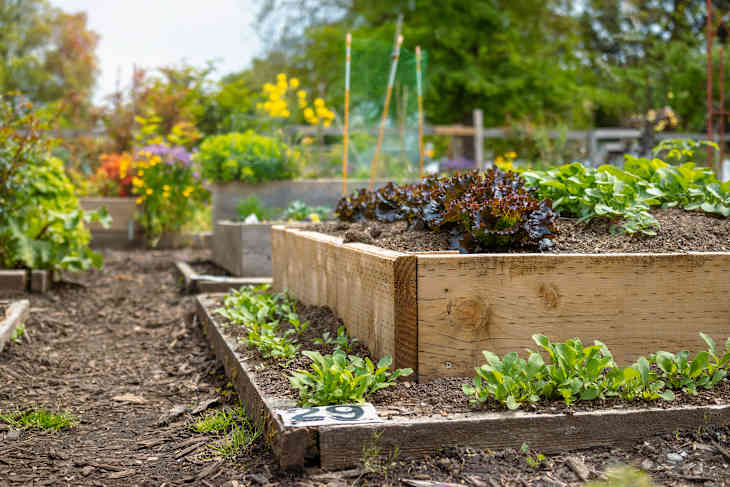
I love fall gardening. Beans, peas, and leafy greens like lettuce and spinach grow better in cool weather and are ready to harvest in about a month. Plus, I find it amazing that certain crops like carrots, beets, and kale develop natural sugars the colder it gets, so they actually taste better after the weather turns chilly.
But fall gardening can be tricky. You have to time your planting just right (and be prepared for all types of weather, because who knows whether it’ll be snowing or we’ll be sweating come Halloween).
For the best prediction, I look at the Old Farmer’s Almanac 2025 fall forecast (hint: It’s hot and steamy this year for most of the U.S!) to see its weather predictions and growing suggestions for my area. I’m located in Knoxville, Tennessee, where we’ll have warmer-than-average temperatures and below-average rainfall, and here’s how I’m planning to handle it.

How I’m Following the Farmer’s Almanac for My Fall Garden
With the warmer temps in mind, I’m going to pay particular attention to when I plant and go with drought-tolerant plants. I’m partial to a veggie garden, and when buying seeds and plants, I’ll look for varieties labeled “heat-resistant” or “slow-bolting” — among other best practices and defenses against the heat. Bolting, for the record, is when a plant matures too quickly, shifting from producing edible leaves to growing flowers and seeds for propagation, which is why you want to look out for a “slow bolting” label.
I’ll plant a little later this year.
When it comes to timing, the warmer-than-usual temps mean I’ll be planting toward the end of the fall planting season. The Old Farmer’s Almanac has personalized fall planting dates based on my location. (The Almanac’s planting guide is a great resource for all gardeners — just enter your ZIP code to get recommendations for your area.) For example, for my area, it suggests planting arugula between September 3 and October 8 — but with the heat and dry conditions, I’ll wait until late September.

Shade and mulch will be my best means to keep my plants happy.
A coat of organic mulch around my fall plants is essential; it will help hold in moisture and keep the roots hydrated and cool. I’ll set them where they’ll get afternoon shade, and if it gets too hot, I may employ a shade cloth or row cover.

Another concern is bolting.
As mentioned, warm, dry weather can cause early yellow flowers to emerge on plants like lettuce, cabbage, broccoli, cilantro, and Brussels sprouts, aka bolting, so again, I’ll wait to plant these a little later than suggested.
Once a plant starts to bolt, its flavor often turns bitter. To prevent this, I’ll harvest and prune regularly, picking greens as soon as they’re ready and not letting them get tall and spindly. If I do notice flowering, I’ll nip it in the bud.