
7 Ways to Fix a Royally Screwed Up Paint Job
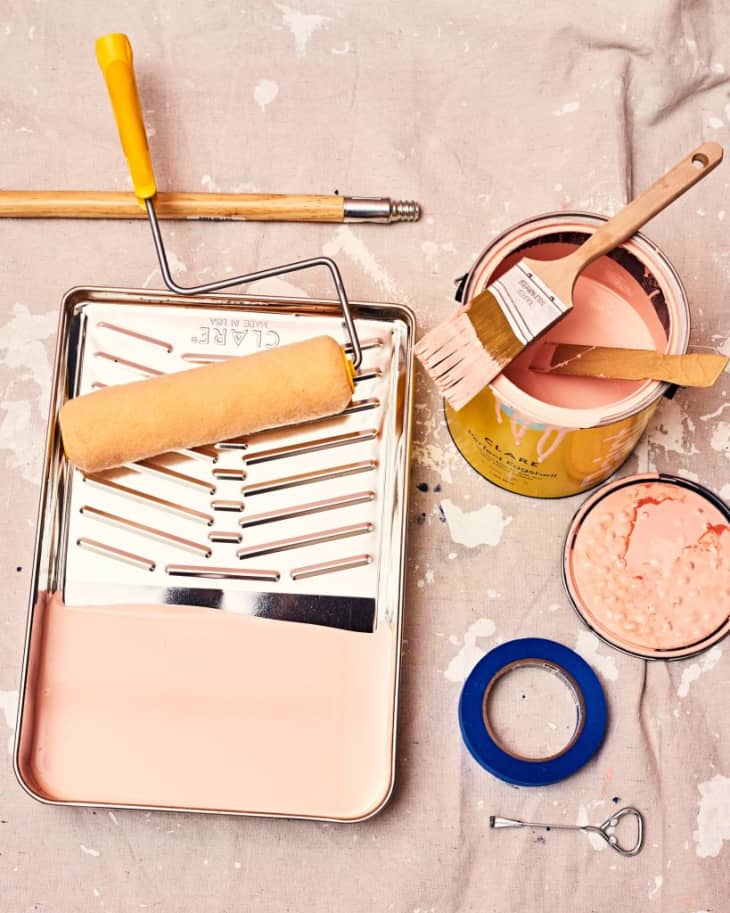
Oops. That’s the last word you want to hear coming out of your mouth when you’re painting. But things happen. Painting may seem straightforward, but a surprising number of things can go wrong. Blame it on bad luck, poor planning, or Mercury in retrograde—whatever. Sometimes things just get royally screwed up and you need to fix them, now.
Almost anything paint-related is fixable, if you know what to do and act in the appropriate timeframe. To find out how to handle the most common bad-news paint scenarios, I turned to my paint guru, Sam Ross of Nailed It Contracting.

Here’s what this pro had to say about seven common screw-ups.
1. You can see the roller marks or brush marks
Nothing like sitting down after a job well done only to see the brush or roller marks practically screaming at you from the wall. It happens—and if it happens to you, here’s what Ross says to do.
Lightly sand the troublesome area with 150-grit sandpaper, then tack the walls. That’s painter lingo for “Wipe it with a cloth to get rid of dust.” (Easier than the lingo makes it sound!) Then re-paint the area, maintaining a wet edge—meaning, don’t let the paint dry until you finish the wall.
To avoid this in the future, keep on keeping on. “Don’t paint half a wall and take a coffee break,” Ross says.
One trick he suggests to keep your (latex) paint from drying too fast is adding a little water to thin it just a bit. Double-check your paint’s manufacturer instructions first: Some may advise against this trick.
2. The coverage is uneven
Welp, paint’s not perfect. “It just needs another coat,” Ross says. Sorry! Get out your paint stirrer and roller and get to work.
3. Your paint bubbles or blisters, or you see drips down the wall
You need every painter’s best friend, Ross says: the five-in-one tool. Scrape off the offending bits, then use your 150-grit sandpaper to smooth the wall. Tack it and paint again.
If you can’t get a big blister smooth, you may have to spackle the wall, let it dry, and then sand it smooth, he says. “Then tack and try again.”
What causes blisters and bubbles anyway? You likely have an adhesion problem, Ross says, which can happen if you put latex over oil paint, or tried to paint a dusty, greasy area and skipped cleaning or priming first. Getting impatient between coats and re-coating too soon can also cause bubbling.
4. Help! The painter’s tape took the paint off
In this case, “You should go back in time and buy FrogTape Yellow for delicate surfaces,” Ross says. But seriously: Don’t leave the painter’s tape on so long. Pull it the same day.
But once the deed is done (and you don’t have a time machine), you’ll just have to repaint.
5. Somebody took a holiday
If you just totally (somehow?) missed a spot, grab a sponge. As long as it’s just a few square inches, you’re best off skipping the roller, which won’t coat evenly over the “holiday,” Ross says.
Wet your sponge, wring it out, and dab it in paint. The texture will mimic the roller’s nap.
6. Wait, where did that lint come from?!
You’re admiring your handiwork… and then you see a bunch of little flecks. That’s probably the fault of a cheap roller cover, Ross says. Besides ponying up for a higher-grade cover, you can wet your cheaper cover very slightly beforehand with water, or even use painter’s tape to remove any excess lint.
But if it’s too late and the lint is ruining your paint job, yep, you’ve got more work to do. Let it dry, sand it out, tack, and paint again.
7. Whoops—that paint wasn’t supposed to be there
What’s more frustrating than bumping a white ceiling with your gorgeous new dark and moody hue? Bumping a textured ceiling. If you get carried away and your roller or brush hits a flat ceiling, you can take a wet sponge to still-wet paint and probably erase the error. But if your ceiling is textured, keep the wet sponge away or risk erasing the texture. Instead, you’re better off letting the paint dry and hitting it with some ceiling paint, Ross says. Hope you have some of that lying around!
If your splotch lands on trim or hardwood floor, don’t panic. Because trim is usually satin or semigloss and wall paint is typically eggshell, your splatter won’t adhere well, Ross says. Hardwood floors are similar because they have poly coatings. “Wait 24 hours and scrape it off with the five-in-one tool or even your fingernail,” Ross says. Then you can enjoy your beautiful, whoops-free painted wall.