
7 Ways to Fix a “Cold and Uninviting” Living Room, According to Designers
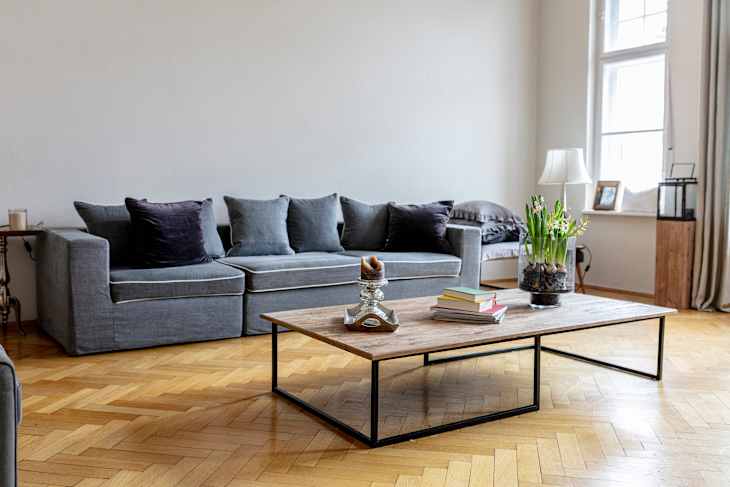
Honestly, most days, there are very few things I’d rather do than curl up on the living room couch with my cat and a good book. My living room is where I rest and recharge, and when I have friends over for coffee or movie night, it’s the room that serves as the central hangout spot. Thus, I’m continuously striving to make my living room feel as warm and welcoming as possible. For me, an inviting living room is nothing short of a must.
If you’re suddenly looking around at your living room and starting to notice that it lacks detail or could use some more cozy elements, you’re not alone. Luckily, turning a cold space into something warm and inviting isn’t too hard. To learn how to warm up a living room like a pro, I turned to interior design experts to find out all of the tricks of the trade. Spoiler alert: They did not disappoint.

Here are seven ways to fix a cold and uninviting living room, according to seasoned pros.
Focus on Fragrance
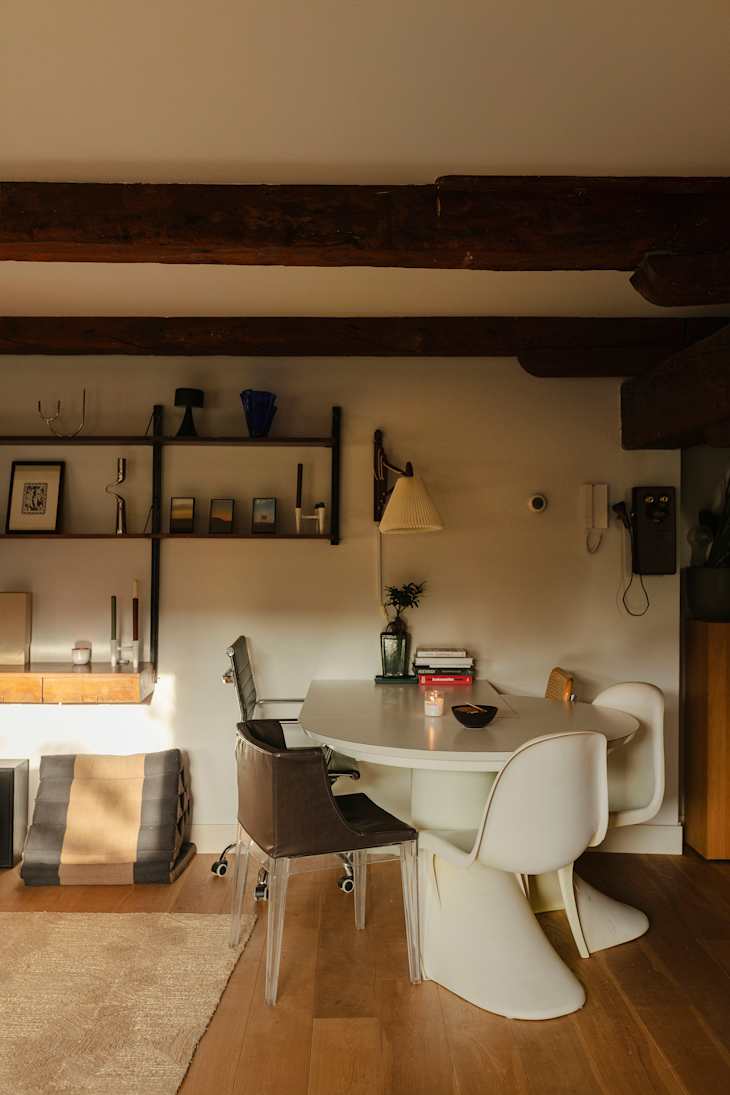
Interior design isn’t just about visuals and textures — scents play a strong role in setting the tone of a space. “Incorporating a subtle scent can help guests feel at ease in your home,” says Julie Mays, the owner and principal designer at Julie Mays Interiors. “Something sweet and pleasant can uplift the whole ambience of your space.”
Experiment with different candles, aroma diffusers, and room sprays until you find your signature scent, and add your favorite candles, like in this Amsterdam rental. I’m a rose girlie myself, and some of my own personal favorites include Diptyque’s Roses candle, Homecourt’s Steeped Rose Room Deodorant, and Love Story by Aromatech.
Work In Window Treatments
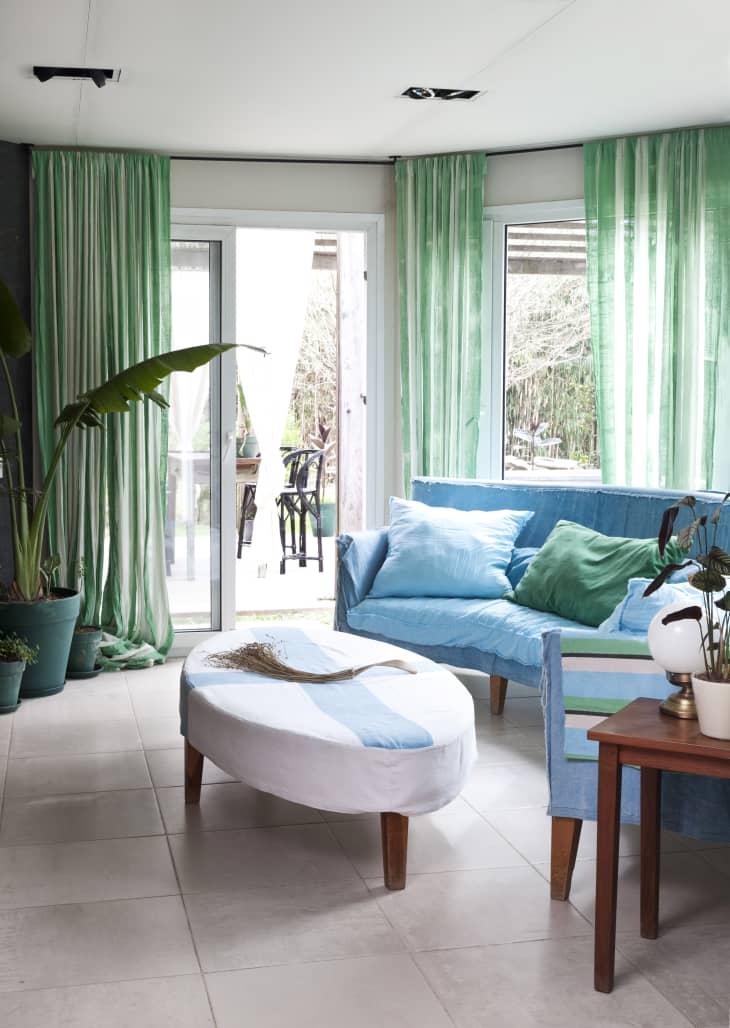
If your windows look naked, your living room is going to inevitably feel empty and unfinished. Adding window treatments, or living room curtains, is a total game-changer, as you can see in this Buenos Aires home.
“Curtain panels flanking a window softens the lines of the space and adds warmth and texture,” says Michelle Lynne, the owner and principal designer at ML Interiors Group. As an added bonus, the extra fabric in the space will absorb sound, reducing echoes.
Incorporate Natural Elements
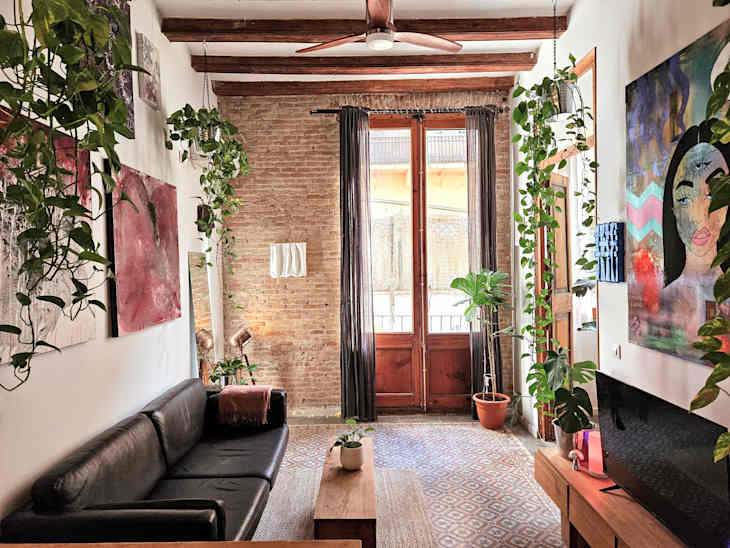
Bringing the outdoors indoors can instantly make your space feel more welcoming. “Natural elements like plants and wood bring an organic, earthy quality that softens the environment and makes it feel more grounded,” says Amy Granger, the director of marketing at Dania Furniture and Scandinavian Designs.
Not sure where to start? Place a large plant beside a window or wooden coffee table, or take a cue from this Barcelona rental and hang a few plants from the ceiling. It will create both visual interest and a sense of balance.
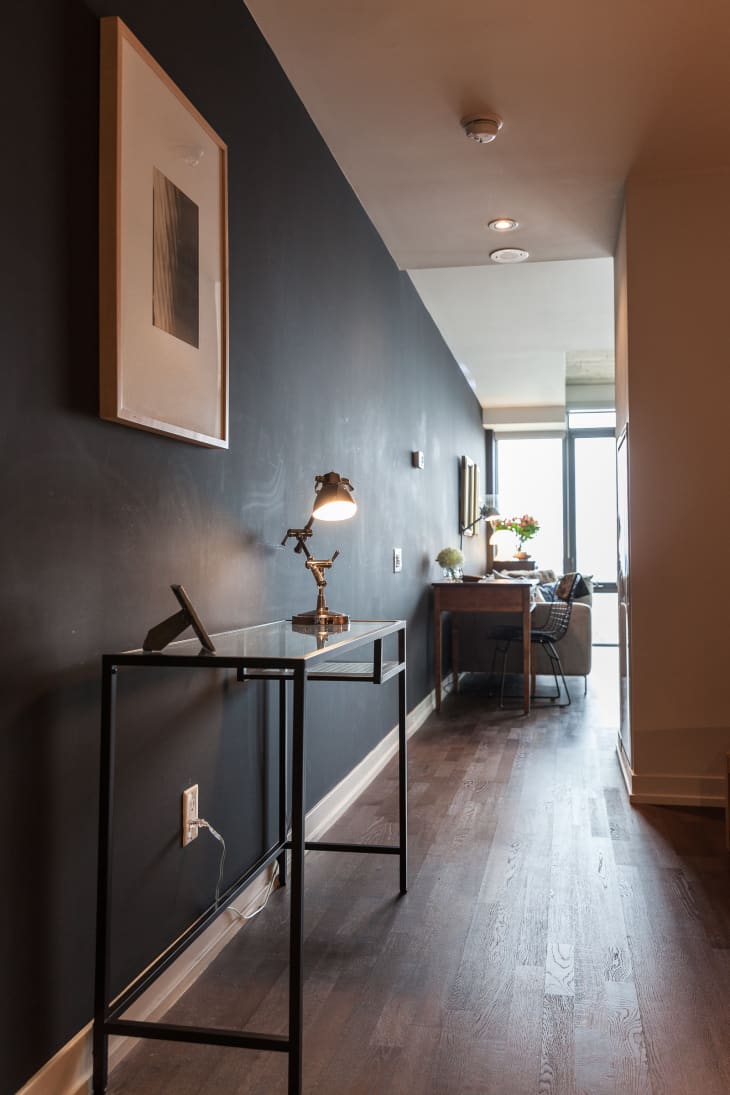
Double Down on Dimmable Lights
The ability to control the brightness of your lights goes a long way, as seen in this Toronto condo. “Adjustable, dimmable lighting is excellent for setting the mood for any occasion,” says Mays.
If your lights don’t have built-in dimmer switches, don’t worry. You don’t have to rewire your entire house. You can buy dimmer switches at Home Depot for just a few dollars, and installing them is fairly easy.
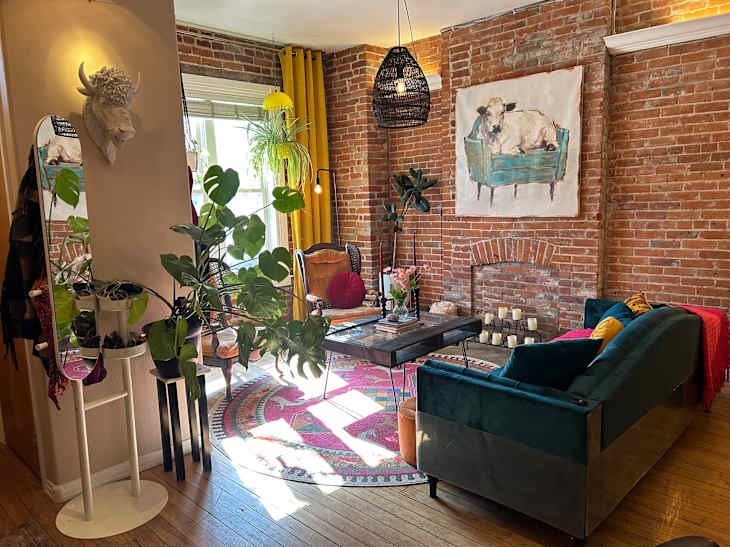
Create a Conversation Area
The way you arrange your furniture plays a big part in the look, feel, and overall vibe of your living room, as seen in this Denver townhome. “Focus the furniture spacing to create a place to visit with friends and family,” Lynne says. “Pushing furniture against the walls can make a room feel antiseptic, similar to a waiting room.”
Try placing a coffee table in the center of the room, and add a plush, cozy rug if you have hard floors to make the atmosphere feel that much more welcoming.
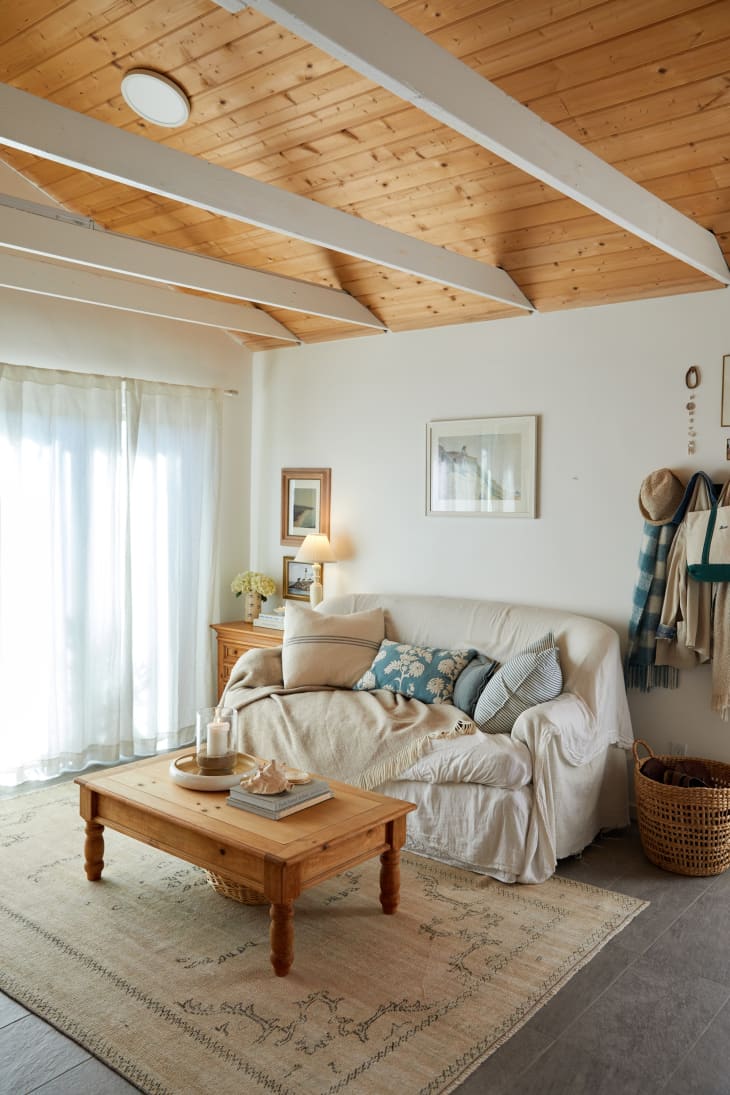
Seek Out Soft Materials
When decorating your living room, try to incorporate as many soft textiles as possible, like the residents of this California home did. Soft pieces, like wool throws, linen cushions, and plush rugs instantly create a sense of comfort and warmth, making the space feel more inviting, Granger explains. “Adding layers with different textures, like a chunky knit throw or a velvet pillow, helps to make the room feel lived-in and cozy.”
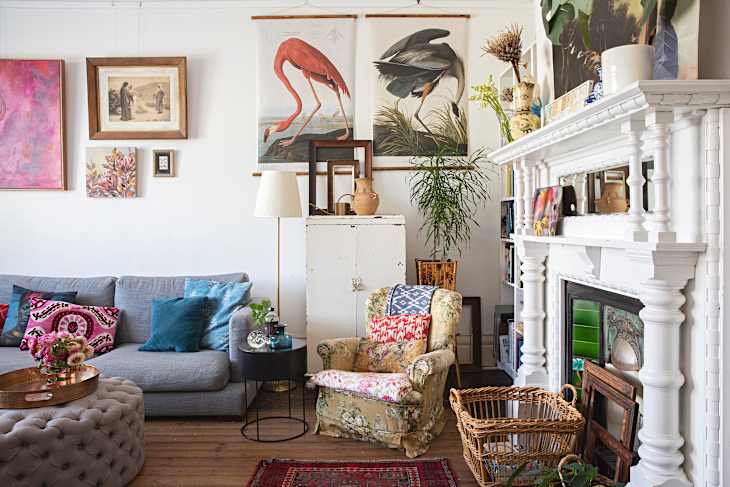
Add Artwork That Reflects Your Personality
Sometimes empty walls can make a space feel sterile and cold. Try adding artwork to your living room, especially pieces that feel unique to you and your family, Mays says. If you’re searching for inspiration, take a look at this Melbourne home.
Consider hanging pieces that have either been handed down through generations or art that’s particularly meaningful for another reason. Remember, art doesn’t have to be expensive to be valuable to you — it just has to be reflective of your style and personality.