
Carpenters Say You’re Not Paying Enough Attention to These 4 Things in Your Home
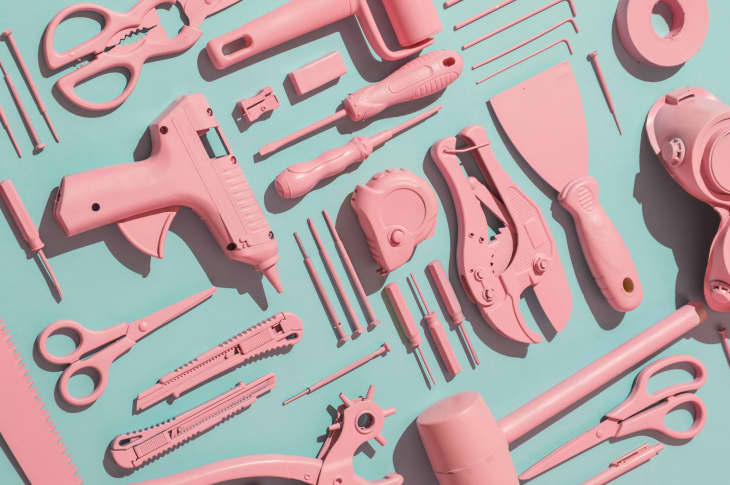
Carpentry is at the heart of the entire structure of your home, yet chances are, you don’t know much about it. Carpentry problems can lead to big headaches if not properly maintained and addressed, so it’s important to have a working knowledge of what to look out for.
To get the skinny, we talked to some carpenters, who gave us their opinions on what people should know about their homes when it comes to carpentry. Here, what they think the average homeowner should pay more attention to:
1. Your actual skill level
Carpentry is not the kind of thing you can make up on the fly, so if you’re tempted to start a project in your home without proper preparation, just don’t.
“When starting various carpentry projects, you need to measure and mark your wooden materials,” says Stephany Smith of Bob’s Handyman Services in London, England. “Using a measuring tape is often confusing, but marking with a pencil is much more efficient and eliminates any complicated math. Pencils are perfect when doing measurements, marking precise points when drilling holes, marking a cutline on soft- or hardwood, drawing straight lines, or sketching your initial furniture design ideas.”
When in doubt, call in the professionals: Smith says that if you’re just doing cosmetic changes, a DIY approach is fine, but that projects like building stairs, sheds, and playhouses, as well as framing tasks, should be executed by a pro for the best results with minimal safety risks.
2. Your tools
If you decide to tackle a carpentry project on your own, make sure that you have all the proper tools. The carpenters at WoodWorker Solution offer recommendations for the top tool in a variety of categories, including routers, workbenches, and accessories like magnetic bit holders.
According to Smith, a multipurpose hammer is the MVP of carpentry tools, as it can be used for banging nails, pulling them out, and tapping various things into place.
“A good carpentry hack is to fit a rubber chair leg cap to the hammer. It’s easy to install and offers a ‘soft’ way to drive a nail into a wooden surface without the displeasure of cracking and scratching the surrounding wood,” she reveals.
3. Your gutters
Growing up as the daughter of a roofer, I often heard the terms “soffit and fascia.” Don’t tell my dad, but I must admit that until I heard from Kershan Bulsara, manager at Roofmaster in Ottawa, Ontario, I still had no idea what those words meant.
As it turns out, they’re pretty important in keeping a roof over your head—literally.
“The fascia is a part of your roof carpentry that is responsible for supporting your rain gutter,” Bulsara explains. “It is commonly made from woods such as cedar or redwood, which if not properly maintained, could lead to decay. This damage could then result in further problems such as water leaks or critters and pests in your attic.”
Yikes!
To avoid these problems, Bulsara says regular cleaning of your gutters is a must. You should also apply a wood hardener to prevent rotting.
4. Your front door
You walk in and out of your front door on a daily basis, so proper function is a must. If your door is squeaking, sticking, or swinging, you should know that it’s more than just a minor annoyance—it can also signal a safety hazard.
“Most burglars will invade your home through a damaged door,” says Ivelina Ivanova, home improvement coordinator with Fantastic Services Group in Australia. “They are experts in detecting weak locking mechanisms. A solid front door will ensure a well-secured home.”
A professional carpenter can evaluate your door and troubleshoot any problems. Prevention is key, so head off any snags, before they turn into a larger, and more expensive, issue.
More great Real Estate reads:
- 6 Hidden Risks in Your Home Real Estate Agents Know to Watch Out For
- Designer Caitlin Wilson’s Fun, Curated, and Funky First Apartment in Philly
- You Can Rent Lucille Ball and Desi Arnaz’s Caliofrnia Home for $500/Night
- 5 Money Lessons You Can Learn From People Who Bought Their Own Homes in Their 20s
- 4 Things You Shouldn’t Skimp on When Buying a Home, According to Real Estate Experts