
We Asked 4 Pros Which Paint Colors Homeowners Regret Most — and One Might Surprise You
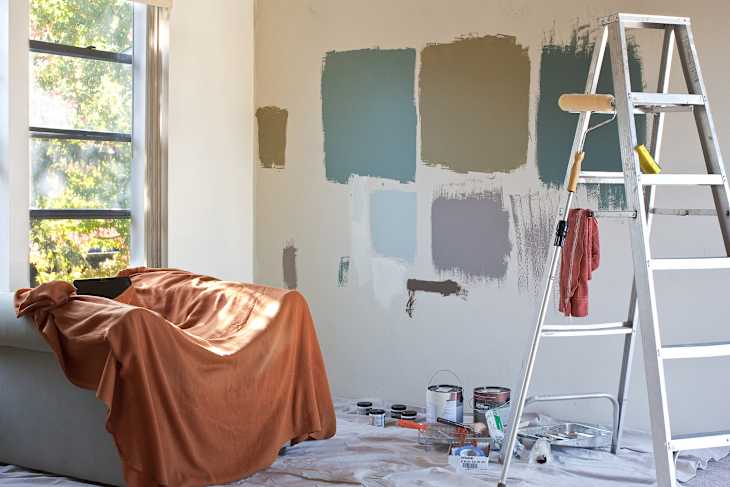
Sometimes, a coat of paint is all it takes to refresh your home, whether it’s a pop of color on your front door or a creamy neutral to make a small bedroom feel larger. Even if this type of project doesn’t have the same cost as a major renovation, if you’re going to invest time in a DIY painting project or financial resources in hiring a pro, you probably want to get your paint color right the first time.
While hanging up paint samples and testing swatches can help you pick a hue you like, there’s one thing you may not be thinking about: the future. Will the you of tomorrow, next month, or next year look back with painter’s remorse? To avoid pitfalls — or at the least guide you in the right direction — I tapped four paint pros for stories about colors their clients regretted the most. Here’s what they had to say.

Bright Blue
The exterior is one of the most expensive parts of your home to paint (and also typically requires paying a professional), so it’s smart to lean toward more traditional tones, classic neutrals, or hues you’ve admired on other houses. However, straying far from the script may not be wise for longevity’s sake unless you’re trying to make a bold statement.
Such was the case with a blueberry shade that Chuck Reger, a franchise business coach with Five Star Painting, warns about. His customers chose to put the color on their 2,100-square-foot two-story mid-century exterior, making it stand out against nearby homes. “The color was so different than the neighborhood,” he says. “It looked out of place for the area, and the HOA also asked them to change it.”
Although that sounds like a trifecta of regret (it was), the homeowners were able to correct the color before the project was complete. Ultimately, they opted for a muted bluish-gray tone that blended better with the neighborhood and didn’t attract negative attention from the HOA. Of course, if you want your home to make a statement and don’t have any governing organizations weighing in, you can go bold if you wish.
Mustard Yellow
Yellow is a tricky color, as it can be a soft, buttery hue with cooler tones or a shocking yellow with green undertones. Because yellows are so light-dependent, it’s essential to paint swatches on all four of your walls and view them at different times to see how the pigment reflects. According to Matt Boden, the owner of Fresh Coat Painters of Tampa, yellow was one of his clients’ laments.
Boden’s homeowners chose a bold, mustard yellow for their living room in hopes of cozying up the space and adding character to their 2,000-square-foot mid-century ranch. Unfortunately, the color ended up casting a harsh, unflattering glow in both natural and artificial lighting,” he says. “It clashed with the furniture and made the space feel smaller and dated rather than inviting and vibrant.”
The homeowners questioned their decision just a few weeks afterward, but the reality set in once multiple guests commented on the color’s intensity during a family gathering. The homeowners then settled on a soft, warm greige to make the space look a little more cohesive. Boden recommends neutrals for larger spaces and living areas, as they offer flexibility that a statement color can’t provide.
Bold Red
Paula Murray, the owner of CertaPro Painters of Pittsburgh, said that while some of her customers have regretted yellow, another big yikes was a bold red applied on an interior accent wall. “Bold red colors can be a bad choice because they usually require a gray primer to be painted underneath and typically take more than two coats to achieve an even finish,” she says.
However, Murray’s approach is to help clients pick something that works best for them. “While we never choose colors for our customers, we make sure we educate them thoroughly about how the color can perform,” she says. She offers consultations and brings paint samples to help her clients make sensible decisions. You can also ask your painter or designer for advice on any colors you’re contemplating.
That said, if you’re thinking about painting a room a bold red shade, you don’t need to call it off just yet. Murray says to go for it if that’s what your heart desires — and if you know how the paint will perform in the space you’re painting. Color is subjective, and people should live in spaces that bring joy.
Millennial Gray
Millennial gray is a controversial color choice — a lot of people like the neutrality of it, but others totally hate it. One thing is for sure: You see it a lot. That overuse of millennial gray is what is turning off many DIYers who are tired of lackluster, grayscale homes.
“I think using gray without any contrasting colors to break it up and add some color can ultimately feel sort of oppressive and drab, and that’s where the homeowner regret comes in,” says Carr Lanphier, the CEO of Improovy. Because millennial gray has cool undertones, it doesn’t cozy up a space like other neutrals can. “Something like a warm beige can feel elegant and understated while still offering more life and atmosphere to a room,” Lanphier suggests.
Lanphier also recommends skipping trends and choosing colors that reflect your style and preferences. If you want to add a popular color to your home, it’s easier to do so with neutral walls mixed with trendy tones in other applications, such as throw pillows and other decor items throughout your space.