
9 Ways to Add Moisture to the Air Without a Humidifier
When the air in your home is being heated during the cold winter months, it can get pretty dry and uncomfortable. Humidifiers are great for adding moisture to the air, which is good for your skin and sinuses, but there are other things you can do to help bring humidity to your space. Below, find out how to add moisture to dry air this winter.
What’s the ideal humidity level for a home?
When it comes to determining just how much humidity you want to add to your home, you’ll first need to know what level is ideal for your home. According to Josh Mitchell, an HVAC technician and founder of Air Conditioner Lab, that range typically falls somewhere between 30 and 50%.
“This range keeps the air comfortable, helps prevent breathing problems and skin irritation, and protects your home and furniture from damage caused by too much dryness or moisture,” he explains. However, Mitchell says that those numbers can drop to between 10 and 20% in the winter. “This drop can cause discomfort and health problems, such as dry skin, irritation in the respiratory tract, and worsening allergy and asthma symptoms.”
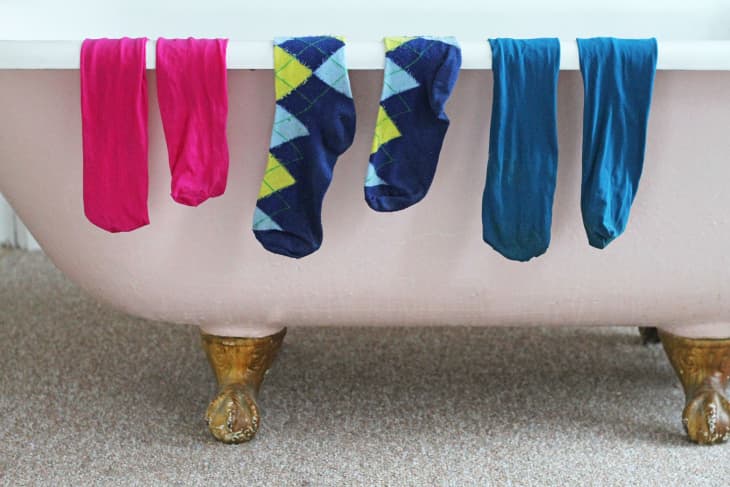
Air-dry your laundry.
Set up a drying rack in your bedroom and set out damp clothing to dry overnight. You’ll save energy by not running the dryer, and add more moisture to the air, all while adding the fresh scent of laundry to your room. This works in the bathroom too!
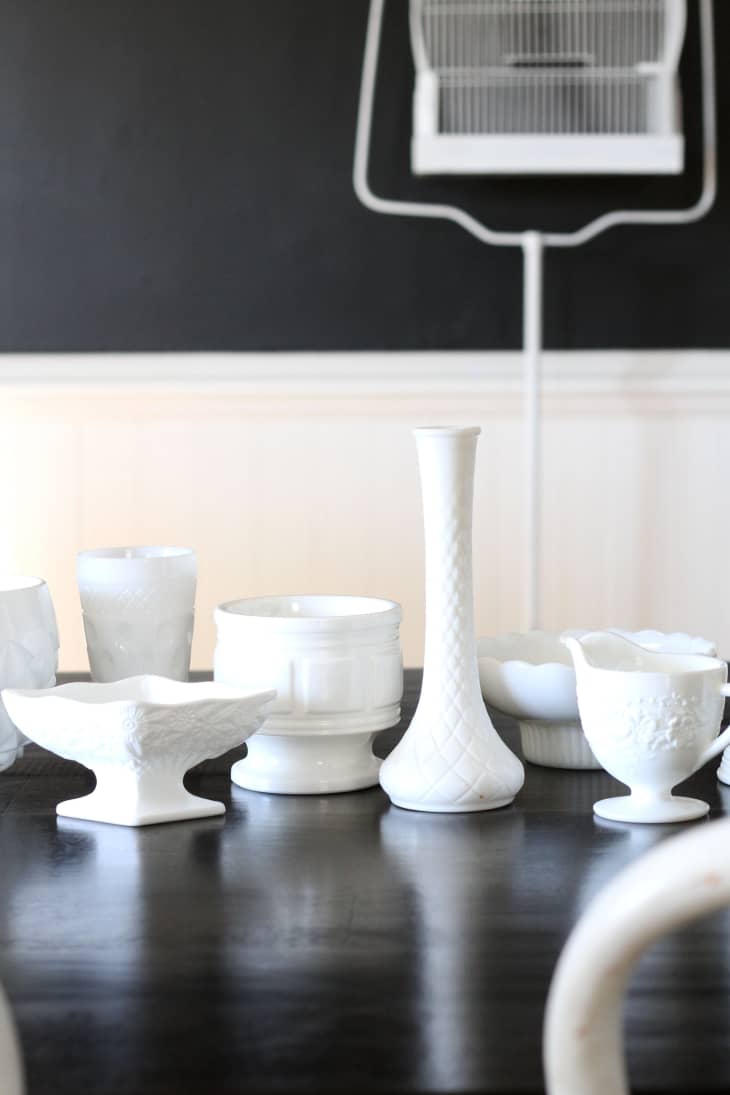
Set out bowls of water.
In the same way that you might decorate with bowls of fruit, try decorating with bowls of water. Place a few around your house and the water will evaporate into the dry air. One step further, if you have radiant steam heat, is to place a water bowl on top of radiators to heat the water and aid in evaporation.
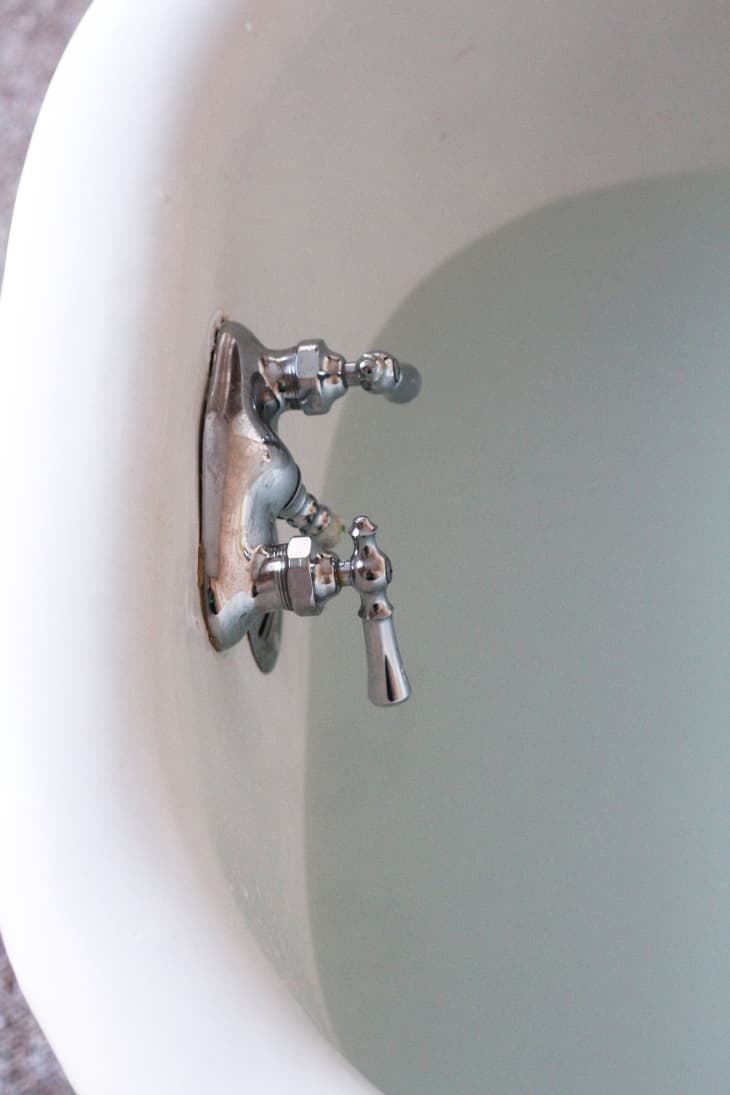
Use your bathtub.
If you ever take baths, leave the water in the tub after you’ve finished bathing. Letting it sit and cool completely allows more moisture to evaporate into the air than when you’re showering. Note: We don’t recommend leaving bath water unattended if you have small children.
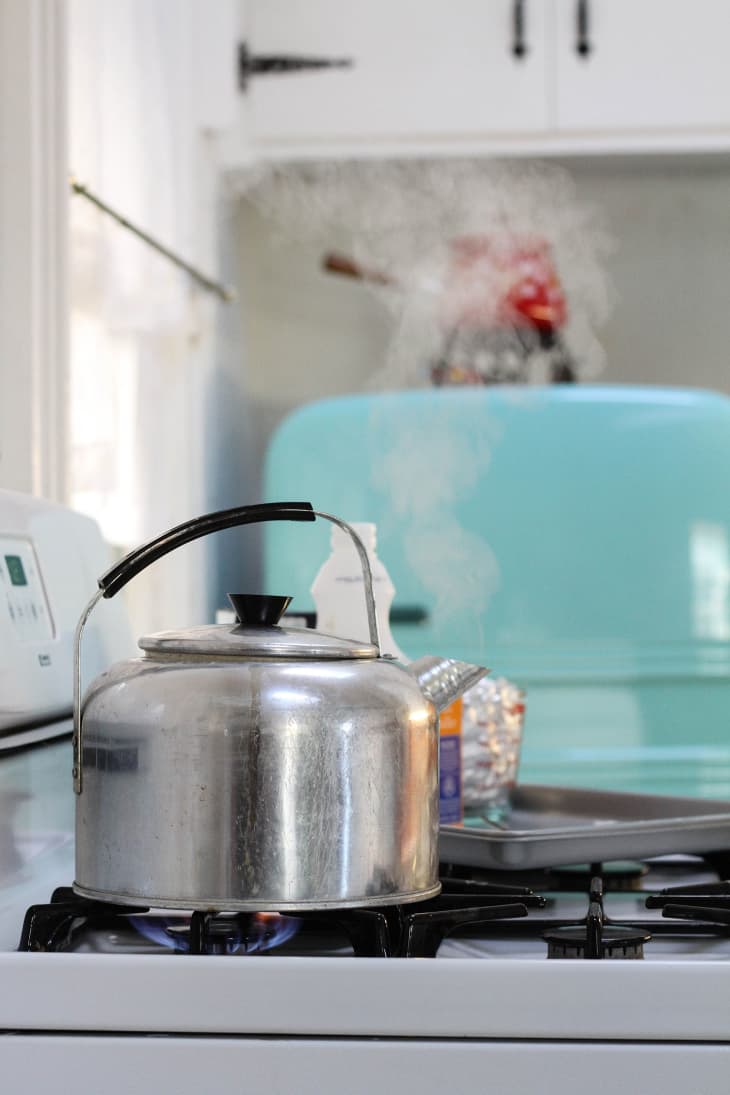
Cook on the stovetop.
Cook on the stovetop. Not only is this a cozy practice during cold winter weather, but it also releases moisture into your home’s air. If you’re cooking something that can be done either on the stovetop or in the oven, opt for the stovetop when the air is dry. The oven dries the air out even more, but the stovetop adds much-needed moisture.
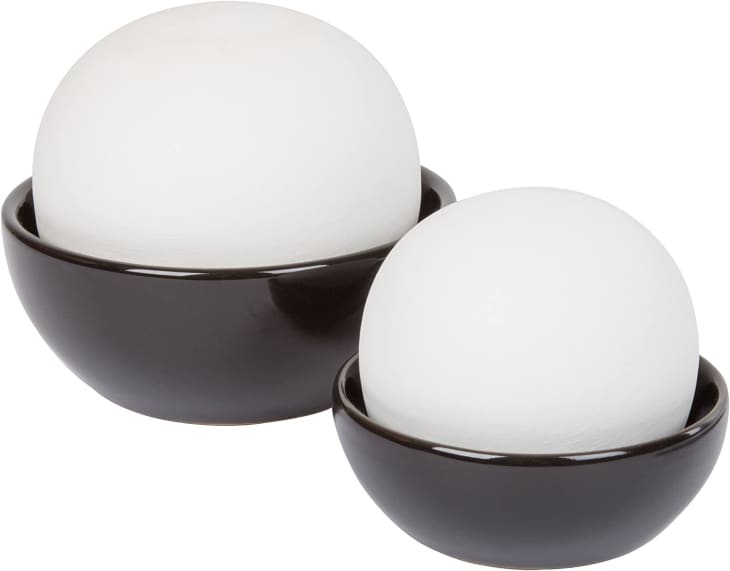
Buy an alternative product.
There are a few products out there that simulate humidifiers by producing steam but aren’t electric. This attractive option from Amazon includes two ceramic orbs that rest on individual bowls to add moisture to the air naturally. It’s as simple as pouring water over the orbs. Or you could use a stovetop steamer or even a tea kettle to help get rid of excessively dry air.
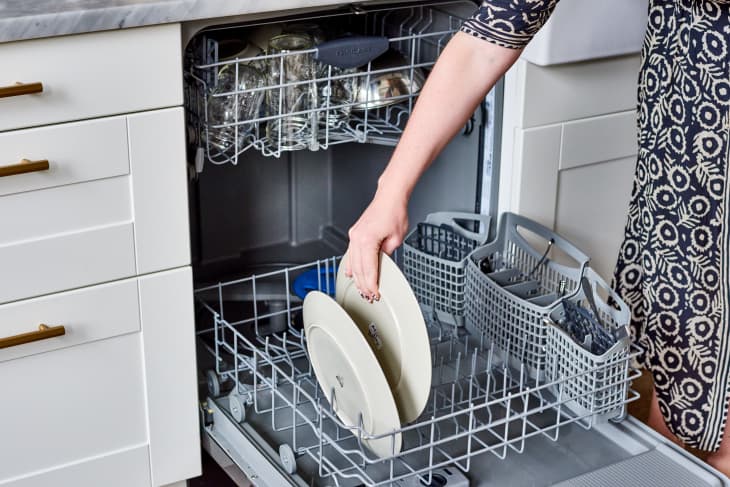
Use your appliances.
Beyond using a humidifier, Kelsey Hei, filtration and indoor air quality specialist at 3M, says you can add moisture to the air naturally by taking advantage of existing evaporation happening in your home. “An easy way to add moisture to the air in your kitchen and bathroom is to open your dishwasher after running and leave your shower door open after a hot shower to let the steam escape to other rooms,” she explains. Not only can that add some of that humidity back into your home, but it can also help those appliances cool down faster.

Add to your plant collection.
Having houseplants can also be very helpful to add moisture through the process of transpiration, Hei says of the process in which moisture from a watered plant evaporates. However, you want to be wary of too much of a good thing, because too much humidity can lead to mold and mildew growth.
So just how many plants should you add if you want to get just the right amount of moisture added back into your air? “Five to 10 plants in a room can make a noticeable difference, depending on the size of the space, but you can always add more or less for smaller or bigger areas,” according to Tammy Sons, founder and CEO of TN Nursery.
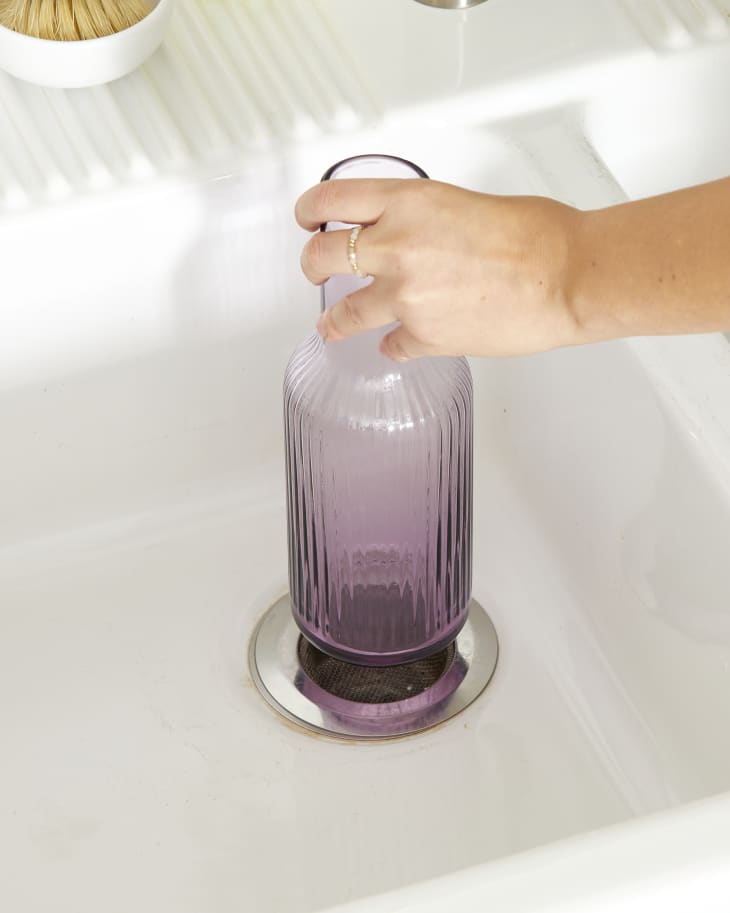
Use your vases for more than flowers.
If you don’t like the look of bowls of water being set out around your house try adding more moisture discreetly by adding a few empty vases of water around your house. As it evaporates it will put more moisture in the air while not taking up as much space as those bigger bowls do.
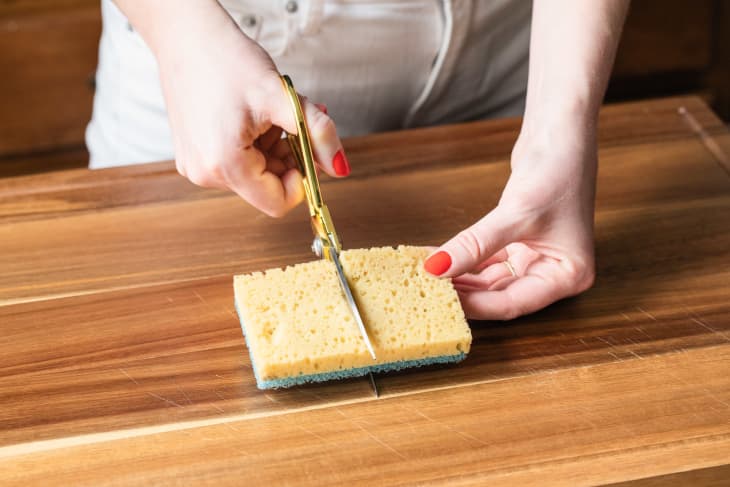
Make a DIY humidifier.
If you want to make your own humidifier, Mitchell says that you’ll need a few supplies to get the job done, including a bowl or jar, a sponge, and some water.
Fill your container with water, then cut the sponge so that it extends over the container’s rim and dips into the water. “Place the setup in a room where you want to increase humidity,” he says. The water will gradually evaporate from the sponge and add moisture to the air.
Just don’t forget to check on the condition of your DIY humidifier every day. “Change the water daily to prevent bacterial growth, and rinse the sponge regularly,” Mitchell adds.