
This Hardware Store Buy Is My Secret to Cleaning Thrift Store Art
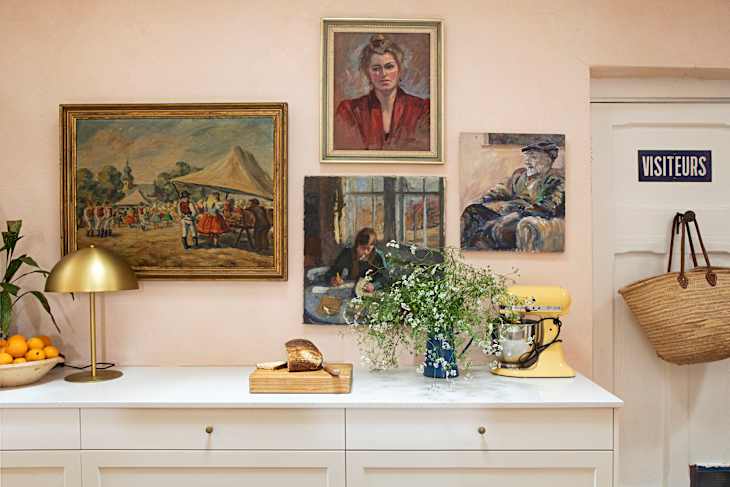
Art can be a pricey thing to buy — especially if you’re looking to collect original artwork. While I love to earmark pieces for a “someday splurge” (my favorite resource for fresh, emerging artists is Tappan Collective), my “right now” budget lends itself more to thrift store finds.
And honestly, the treasures you can uncover while thrifting for art are sometimes unbelievable. I’ve built entire collections of oil paintings and 18th-century prints on a few hundred dollars, and all of them boast a patina and story that just can’t be replicated from a piece you’d get at a big-box store.

My only gripe? Sometimes thrift store art can be dirty — like, really dirty.
From cobwebs and dust to water marks and the unmistakable scent of smoke, bringing a well-loved piece into your home isn’t for the faint of heart. Luckily, an interaction I had with a vendor at my favorite thrift store a few years back changed the game for me.
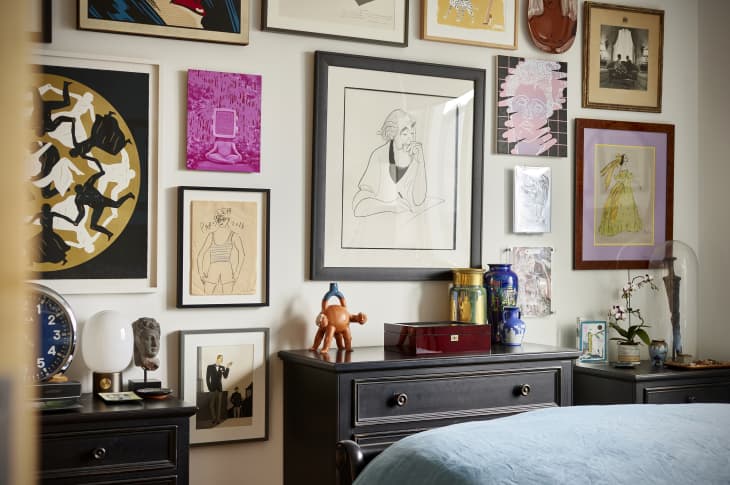
How to Clean Thrift Store Art (Without Damaging It)
While I was purchasing a gorgeous landscape print from her, she asked me if I knew how to clean these types of thrift store pieces on the cheap — and imagine my surprise when she shared that her go-to was, in fact, Murphy Oil Soap. Originally formulated to polish wood surfaces to a shine, Murphy Oil Soap contains 98% natural ingredients, including a formula made from coconut and other plant-derived cleaning ingredients. Translation: It’s especially gentle, which makes it a great option for cleaning not just wood, but anything else that needs a soft touch.
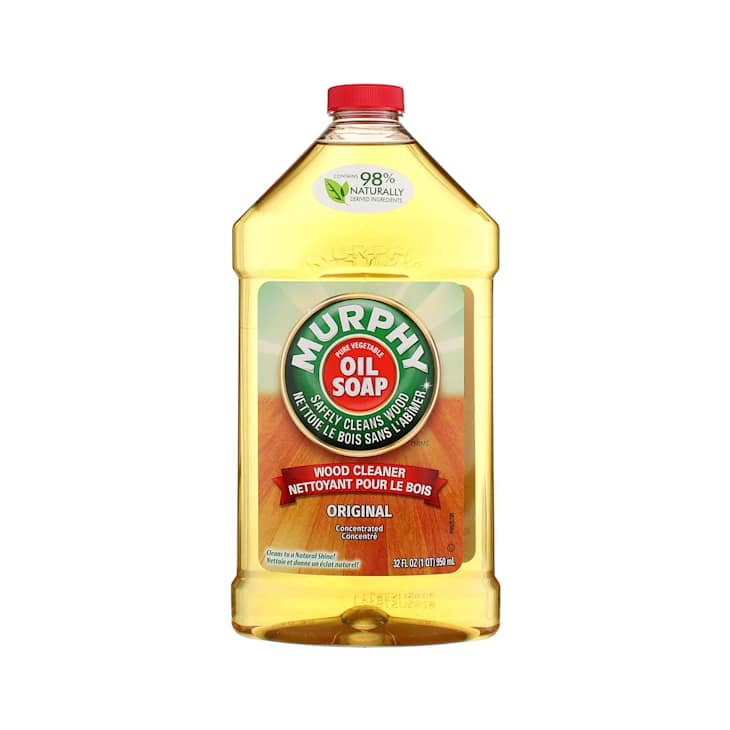
To demonstrate, she put a bit of oil soap diluted with water onto the painting and buffed it with a cloth, removing the dirt and simultaneously rocking my world. I went home and undertook my own cleaning session, and have since relied on this clever hack anytime I want to refresh a new-to-me piece of art.
Like any cleaning method, refreshing your art with Murphy Oil Soap comes with a few considerations. First off, you never want to undertake an at-home cleaning session if you think your thrifted artwork is worth a significant amount of money. Second piece of advice? When in doubt, go slow. I always start by diluting my oil soap in a bowl of hot water (with a ratio of about 1/4-cup oil soap to a gallon of warm water) and buffing it on with a microfiber cloth, ensuring that you never saturate the artwork (or worse, pour the water onto it). Drying it is important, too — I recommend having a second microfiber cloth on hand to take care of that.
This method is best used on paintings that just need a little TLC to return to their former glory (think: things like water marks, caked-on dirt or dust, and small stains). Anything beyond that (like tears, chipping paint, or large obstructions) you’ll want to address with a professional restorer. For my part, having this method in my back pocket has made me an even bigger fan of hunting for thrifted art. I know that a quick refresh — and a beautiful end result — are only a cleaning session away.