
How to Use a Screwdriver for Total Beginners: Your Judgement-Free Guide
My first-ever adult tool kit came courtesy of a neighbor as a high school graduation gift nearly 20 years ago: an IKEA set that included a hammer, a pair of pliers, a basic wrench, and a screwdriver with multiple interchangeable heads. I got tons of use out of that kit, which lived with me through at least eight different homes. Knowing how to use the set (and how to use the screwdriver in particular) was a valuable skill.

I finally had to say goodbye to that tool kit this year after it got lost in my most recent move (lesson learned: don’t box up the tool kit). I’m using a different screwdriver these days to put together furniture, replace hardware, tighten hinges, and more, but the how-to is the same. Here’s everything you need to know about how to use a screwdriver.
Parts of a Screwdriver
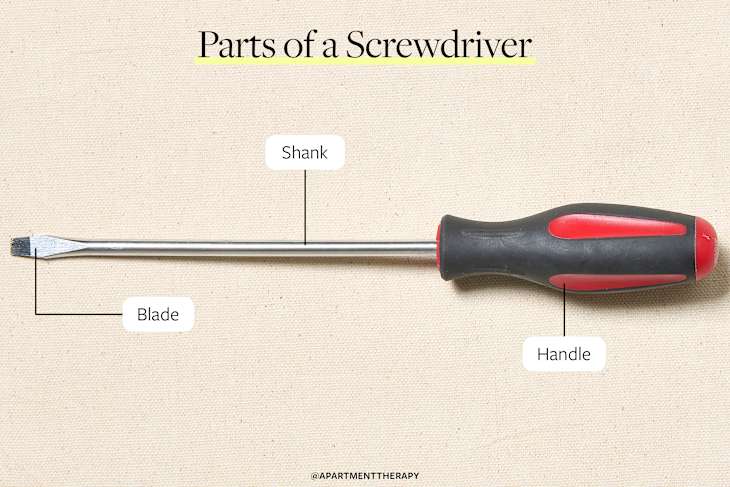
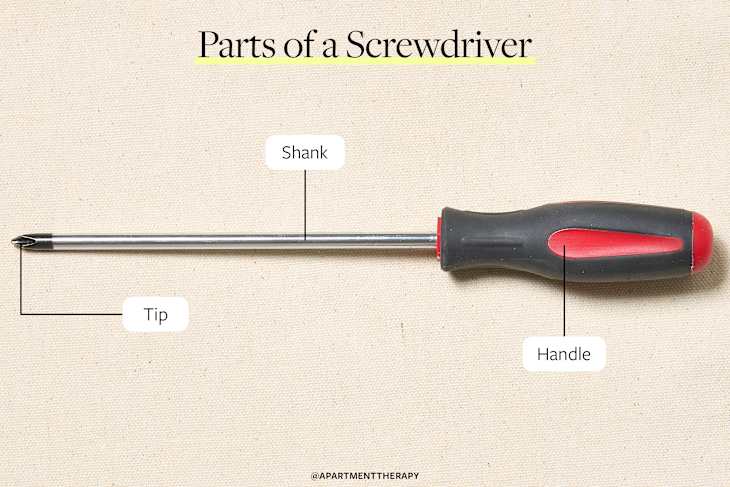
Screwdrivers are pretty simple tools with few parts, but it’s helpful to know the right terminology.
- Handle: The grip at the end of the screwdriver that you hold in order to use it.
- Shank: The long metal neck of the screwdriver.
- Tip: The end of any non-flathead screwdriver, including Phillips head, hex, and Torx (which fits star-shaped screws). On slotted screwdrivers, this is called a blade.

What Projects Do You Use a Screwdriver For?
Screwdrivers are the workhorses of home repairs and DIYs, although you’ll use different types of screwdrivers for different types of projects. Slotted screwdrivers are the best tool for any simple projects that don’t require a ton of force. Here are some examples of projects that would use slotted screws (and slotted or flathead screwdrivers).
You’ll need to reach for Phillips head screws and a Phillips head screwdriver for projects that require a heavier hand to fully tighten the screws. Here are some examples of projects that would require a Phillips head screwdriver.
Where to Buy Screwdrivers
Because screwdrivers are such a basic yet essential DIY tool, you can find them not only at hardware stores and home improvement centers, but also at big-box retailers like Target and Walmart.
If you want to keep your tool kit small, I recommend getting a combination (or multibit) screwdriver that has interchangeable heads. That way, you can use the same screwdriver base and just swap out the tips as needed for your various projects. You won’t have to spend more than $20 to get one.

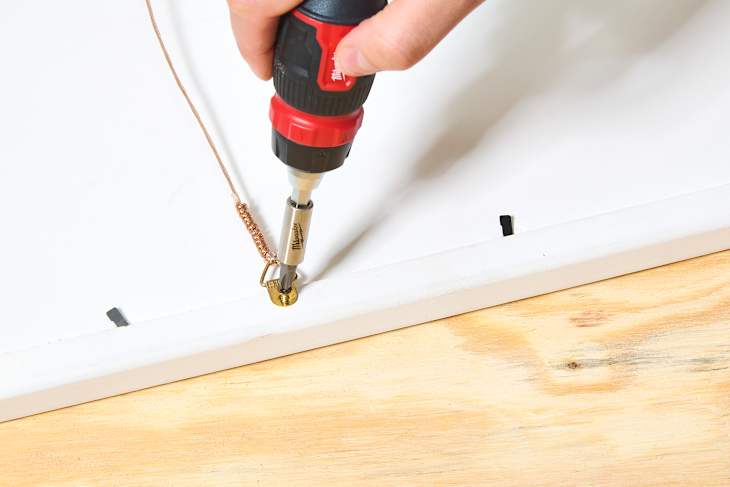
For an extra bit of luxury, consider buying a ratchet screwdriver like the one above. This type of screwdriver has a mechanism inside of it that ensures that it always turns in the correct direction — either clockwise or counterclockwise, depending on which setting you’ve selected — no matter which way your wrist turns. That means you don’t have to lift and reposition the screwdriver and you can work more efficiently.
Ratchet screwdrivers sound fancy, but they’re no more expensive than a combination head screwdriver; expect to spend about $20.
For an electric screwdriver, you’ll need to pay about $30 to $40. These provide battery-powered torque so they’re easy on hands and wrists. They’re also a lot less powerful than a cordless drill/driver, so you’re less likely to overtighten or strip screws.
Types of Screwdrivers
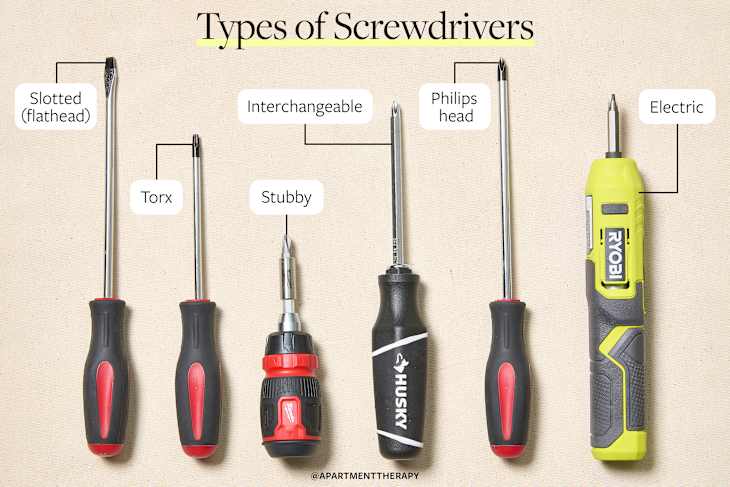
Not only are there different types of screwdriver heads, but there are also different types of screwdriver shapes and handles. Here are the big ones you should know about.
- Phillips head screwdriver: Has a cross-shaped tip.
- Slotted or flathead screwdriver: Has a flat line-shaped tip (aka blade).
- Torx: Has a star-shaped tip.
- Stubby: Has an extra short shank to be able to fit into tight spaces; can be fitted with various types of tips.
- Interchangeable or combination head screwdriver: Has a single screwdriver base (handle and shank) but swappable tips.
- Electric screwdriver: Is battery-operated or rechargeable, and can provide more torque than a manual screwdriver (but less than a cordless drill/driver).

How to Use a Screwdriver
The most important part of using a screwdriver is making sure you’re choosing the right one for the job. Here’s how.
- Choose the correct tip type (slotted, Phillips, Torx, etc.) by matching the shape to the shape of the screw you’re using.
- Find the correct size by trial and error. The bit you use should fit snugly in the screw’s opening. If it’s too loose, you’ll have trouble getting it to grip; too large, and you’ll run the risk of stripping the screw.
Once you select the right screwdriver, you’ll insert the tip into the screw and twist right to tighten and left to loosen.

If you’re using an electric screwdriver, follow the same guidelines for selecting the correct bit. Then, make sure that you select the correct direction for the screwdriver (right for tightening, left for loosening). Some electric screwdrivers have multiple speed options, but not all, so make sure to work slowly. Keep your fingers out of the way of the bit while you’re working to avoid injury.