
I Asked Design Pros the Biggest Lighting Mistake, and They All Said Basically the Same Thing
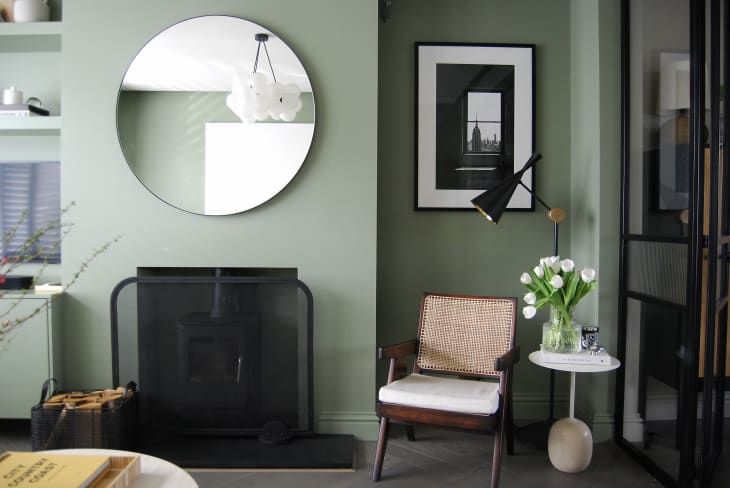
Never underestimate the importance of good (and, honestly, bad) lighting. You may fixate on revamping your light fixtures’ finishes, but it’s really the bulb that will make or break your entire space. If you want to make your place shine, you’ll want to pay attention to the temperature of your light bulb.
Why Does Light Bulb Temperature Matter?

“Lighting temperature has a huge influence on how a space feels,” says Lori Smyth, founder of the shade company Tulip. “It can make a room feel cozy and inviting or stark and unwelcoming. The wrong temperature can flatten textures, distort colors, and even affect your mood.”
Trust me — I should know. A few weeks ago I purchased what I thought were lights with a “soft warm” temperature, only to receive bulbs that made my husband’s home office look like Lumon Industries from Severance. (Um, no thank you.) As someone who writes about interior design for a living, I made the cardinal mistake of not reading the fine print.

What Light Bulb Temperature Should You Avoid at Home?
Most light bulbs have three factors to consider: watts, lumens, and Kelvins. While watts and lumens will indicate how much power your bulb is consuming and the amount of light it will emit, respectively, it’s the Kelvins that will clue you in to its temperature. “The higher the Kelvin rating, the cooler the light,” says interior designer Grey Joyner. “When choosing light bulbs for your home, you will likely want to choose warmer light rather than cooler. “
At the end of the day, your space should be as stylish and special as you are. But even after returning those harsh bulbs faster than you can say “glow-up,” I wondered if there was a right (and wrong) light bulb temperature. So I asked a few industry insiders, and they all agreed any bulb with a temperature of 4000K or higher is a hard pass — they’re generally too cool for a residential space.
“Cooler temperatures are often associated with commercial spaces and can make a home feel sterile,” Smyth explains. “Many people unknowingly install daylight bulbs [between 5000K and 6500K] in their homes — thinking brighter is better — only to find their spaces feel cold and unwelcoming.”
Take it from someone who wound up with 5000K bulbs: A cooler temperature will make even the coziest spaces feel clinical. The effect in my home was so harsh and, quite frankly, unpleasant that I am begging you to heed this pro tip.

What Light Bulb Temperature(s) Will Make Your Home Cozy and Welcoming?
According to Sarah Speck, director of product strategy and partnerships at the Hudson Valley Lighting Group, 2700K to 3000K is the light bulb temperature sweet spot for most residences. “2700K is a ‘warm white’ light that mimics the soft glow of traditional incandescent bulbs, making it ideal for living and relaxation spaces,” she explains. It’s particularly great for the bedroom [because] it helps minimize the impact of blue light on sleep.”
Joyner agrees. An LED Soft White 60 watts, 800 lumens, and 2700K is her ideal setup. “This combo will give you that perfect cozy glow,” she shares. Meanwhile, Speck says a 3000K bulb is better suited to “task-oriented” spaces like a bathroom, kitchen, or laundry room. “It provides clear, bright light without being too harsh,” Speck adds.
Bulb temperature consistency throughout a home is important, too. “Mismatched color temperatures can lead to visual discomfort, eye strain, and disrupt circadian rhythms, potentially impacting health and well-being,” Speck says. For a harmonious glow, Joyner says it’s all about those Kelvins.
“When you want to match other lights in your home, the watts won’t make a difference,” Joyner says. “The lumens will make a small difference in terms of matching the brightness, but it is the Kelvin rating that will make the biggest difference.” Talk about a bright idea!