
The Functional Bathroom Feature Disappearing from Homes (And What’s Replacing It)
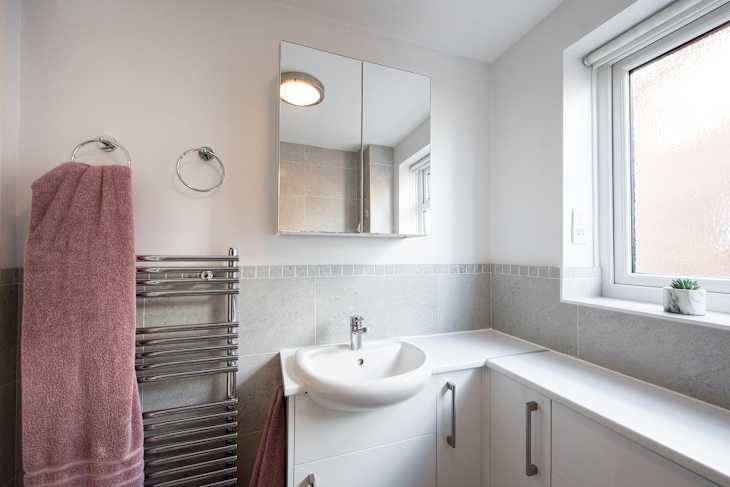
I grew up in a home that had a bathroom with a bulky medicine cabinet right above my sink, in which everything (and I mean everything!) was kept hidden from view — medicine, toothpaste, toothbrushes, tampons, face creams. But it seems like times are changing, at least according to some real estate pros.
I was first turned on to the trend that the beloved medicine cabinet may be on its way out when I found an article from Wellfor, a home improvement company. They argued that people are starting to opt for sleeker, more modern looking bathrooms instead — and the bulky medicine cabinet that I grew up with was on the outs.

So, I did some digging and spoke to some sources. And it turns out that they might have been on to something. “We’re primarily seeing new-build homes without medicine cabinets, especially as tastes are changing,” says Krista Nickols, a licensed associate real estate broker at SERHANT. “People want more uncluttered homes, especially with minimalism taking center stage in recent real estate trends.”
So, what are home builders and buyers replacing them with? Well, a number of different solutions — and they all come with their own fair share of considerations. Here’s what the experts have to say about the future of bathroom storage.
The Problem with Traditional Medicine Cabinets in New-Build Homes
Is minimalism fully to blame for the decline in the medicine cabinet? From the introduction of Marie Kondo’s “spark joy” method to the fact that Danish design and hygge trends have been all the rage, it’s possible that homebuyers are now drawn to sleek, neat-looking spaces than those with ornate character, or at least that’s what home builders think buyers want. New-build homes have a reputation for being minimally designed and sometimes builder grade.
According to Megan Blum, the agent development director at Flux Real Estate, some builders just don’t want to invest the extra time and effort crafting a medicine cabinet anymore. “Builders want their new builds to be symmetrical and easy to frame out, but with medicine cabinets, you have to create the custom cutout indents into the bathroom, which are just extra details they don’t necessarily want to invest in creating anymore,” she explains.
“Also, because we’re shifting to bigger vanities and more counter space in bathrooms, it makes sense to have bigger mirrors to make the bathrooms feel more spacious — as opposed to a cutout of a medicine cabinet, which will be smaller and may not look symmetrical to the larger vanity or added countertop space.”
What’s Replacing the Medicine Cabinet?
So, if medicine cabinets are going the way of the bathtub, how will I store my things in a way that allows me to have room for everything? If I move into a home or a newly renovated apartment without a medicine cabinet, which appears to be likely now, I’ll need to be prepared to bring my own sleek storage. According to Blum and Nickols, there are several more modern trends emerging for adding sleek, stylish storage to bathrooms.

Floating Shelves
“Floating shelves are all the rage now,” Blum says. “While it does require minimalism, it’s a great way to modernize your space.” You do really have to make sure your items are uncluttered and displayed well — especially since they’ll be on hand for everyone to see! If you can manage it, though (think a few chic bottles and essentials here and there), it’s an ideal solution, especially for a modern, new-build home.
Storage Above the Toilet
If closed shelving still has your heart, however, there’s a way to still incorporate it into your bathroom design … just in a more, well, refined way, according to Blum. “Having a stylish cabinet above the toilet still allows for hidden storage, but you can have it blend more into your bathroom’s design,” she adds. This makes the cupboard more of a design choice than a purely functional bathroom addition, and still fits in with the current bathroom landscape.
Large Vanities with Built-in Shelving or Drawers
“Large vanities with custom millwork and large mirrors are huge assets when trying to sell a home,” Nickols says. “[Builders and buyers are] reimagining vanity designs to enhance functionality, such as with extra large drawers underneath, ensuring they efficiently incorporate all the necessary elements typically needed in the bathroom.”
One 2025 bathroom trends report from Fixr says that when it comes to selling a bathroom, 79% of experts recommend depersonalizing and decluttering the bathroom before trying to sell. Smart storage is the way to make your bathroom shine for selling — and large vanities help create a spa-like experience in your bathroom, too.

Storage Bins
While less common, homeowners and renters with small bathroom spaces are also using storage bins. It’s an elegant and affordable way to increase your bathroom storage while also keeping your space as decluttered as possible. If you’re going to go this route, though, make sure there aren’t too many bins cluttered all over the place or completely out of touch with your bathroom’s color palette, as this will go against the cozy or elegant vibe you’re trying to create.
Should You Install a Medicine Cabinet?
While there’s no actual study that cites that homes with medicine cabinets reduce a home’s value, Blum does say that there isn’t really an ROI to adding one yourself. “If there’s enough storage in the bathroom or in the home in additional closets, the lack of a medicine cabinet isn’t a deal-breaker for homebuyers,” she adds. “Builders usually have all their plans pre-set, so they don’t usually accommodate adding medicine cabinets, but it’s something you can add yourself as a homeowner after you’ve moved in.”
You might be better off investing in certain bathroom additions proven to up a home’s value — such as new light fixtures, stone vanities with marble countertops, large-scale showers, and heated flooring, which often have an ROI of 60% to 70%, according to a recent report by Revive Real Estate. “While medicine cabinets don’t increase a home’s value, carefully considered design features that improve the bathroom’s functionality can,” Nickols concludes.