
Norfolk Island Pine: Meet the New Darling of the Houseplant Squad
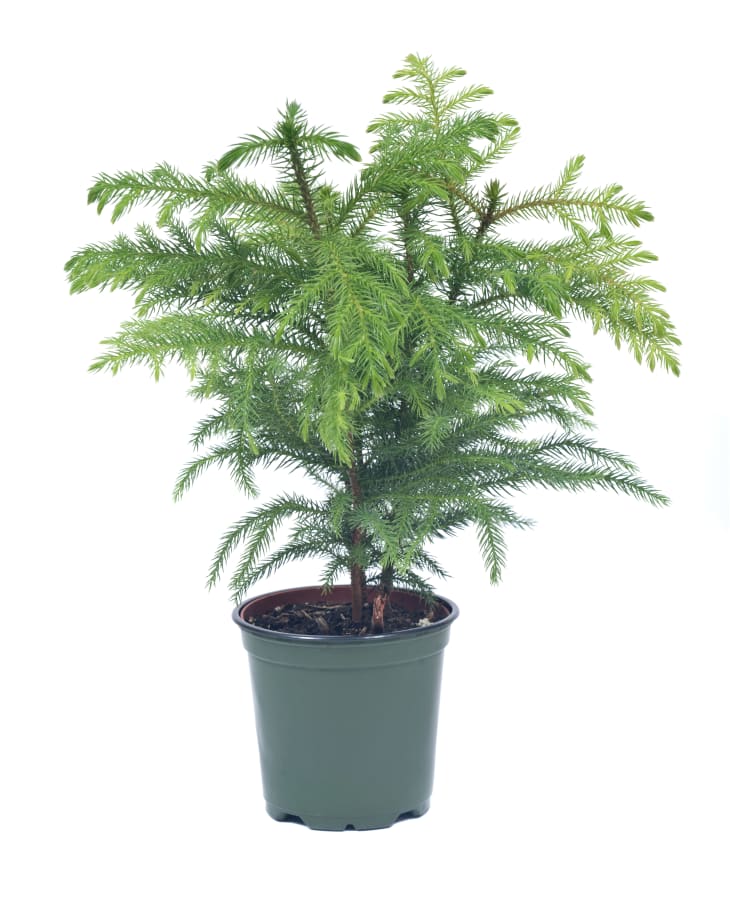
Pothos and snake plants may be pretty, but sometimes, they just don’t scratch that houseplant itch. If you’re in the market for something unique, check out the Norfolk Island pine (Araucaria heterophylla). This plant comes in all different sizes—from tabletop babes to tall, majestic specimens that deserve a corner of their own.
Plant shops and nurseries used to carry them exclusively around Christmas. After all, Norfolk pines have the look of a festive, holiday tree. But these days, they’re more mainstream and can bring much-needed height and texture to an otherwise sleek plant collection.
Insider tips
- Don’t be fooled by their evergreen appearance—these puppies are tropical plants and need to be treated as such.
- Give your tree a helping hand! Young Norfolk Island pines may grow tall, but their root systems are weak. Give them an extra boost and strengthen the root system by tying the tree’s trunk to a bamboo stake.
- You might be getting more Norfolk Island pine bang for your buck. Most growers place three or four young plants in one pot to make it look more full. But as the plants grow older, they will fight for the soil’s nutrients and kill each other off. As each plant matures, separate them into different pots to avoid problems.
How to take care of your Norfolk Island pine
Light: Your Norfolk pine wants bright, indirect light, but the plant can handle a few hours of direct light, too. If it isn’t getting enough light, you’ll see yellowing leaves and droopy branches. Too much light and it’ll get a sunburn. Rotate the plant every time you water to help it grow evenly.
Water: Make sure you’re giving your Norfolk pine enough water! This plant does well in a pot with drainage holes in the bottom. You’ll know it’s time to water when the top inch of the soil starts to dry. Wait too long and the tips of the branches will turn brown.
Humidity: Norfolk Island pine trees are tropical plants, native to a small island in the Pacific Ocean. They need an ample amount of humidity to thrive—especially in the dry winter months when the heat is running full-blast. Mist weekly with a spray bottle or invest in a humidifier.
Temperature: These are not cold-hardy plants. During winter, keep Norfolk pines away from doors that open to the outside, drafty windows, or any room that dips below 60 to 65 degrees Fahrenheit.
Toxicity: Proceed with caution. The ASPCA lists the Araucaria heterophylla as non-toxic to both dogs and cats, but there is conflicting information to be found: Wagwalking.com states that the plant is toxic. Check with your vet for more information.