
“Norwegian Life-Cleaning” Is a Gentle Habit That’ll Get Your Home Tidy
Let’s face it: You probably have stuff in your life that you don’t really need. Whether it’s 15 mugs, clothing in your wardrobe with the price tag still on, or a pile of broken goods you swore you’d fix one day, it’s almost an inevitability to accumulate clutter. It’s definitely something that affects me — even despite my best efforts to keep track of what goes in and out of my home.
For instance, a neighbor might give me an unexpected gift, a family member might make me something heartfelt, or I might stock up on a couple of extra household items because of a sale. Every one of these items takes up space and energy, but the use of energy here in relation to clutter is actually two-fold. The stuff you own requires maintenance and management, and when you pass, this management becomes shifted along to someone else (whoever is responsible for sorting through your Earthly possessions).
I was deeply thinking about this recently — how when you pass, your “stuff” is left behind and the people left to manage it likely won’t understand which possessions were of importance to you. That’s when I came across “Norwegian Life-Cleaning” explained in a blog by author and speaker Maggie Wallen Rowe, and it encouraged me to view clutter and the act of decluttering from an entirely different, grounding perspective.
What Is Norwegian Life-Cleaning?
According to Rowe, Norwegian Life-Cleaning is a counterpart to “Swedish Death Cleaning,” where families assist an ill or elderly loved one to prepare their home by systematically going through all of their possessions, helping them to decide what to keep, sell, and donate. With Norwegian Life-Cleaning, though, this practice isn’t something people wait so long to do: It’s incorporated into day-to-day living as a philosophy. “As I have visited Norwegian homes, I’ve noticed that residents prefer not to wait until their senior years to declutter and minimize, but rather to keep things ‘spare and tidy’ as they are living their lives at present,” says Rowe.
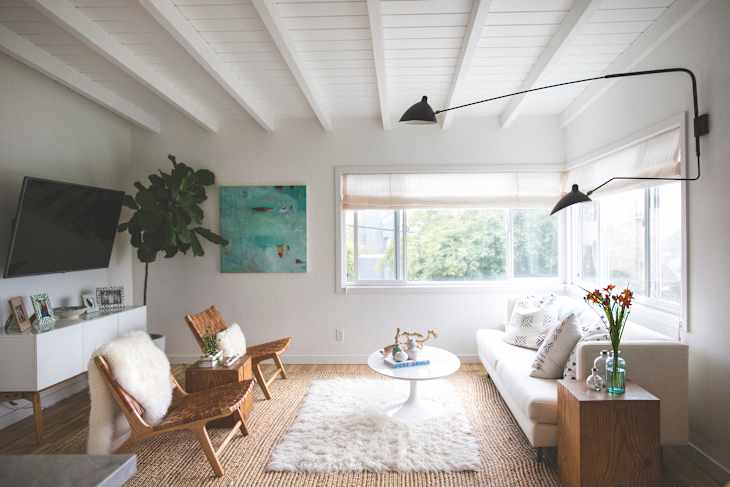
There’s more of a focus in Norway on cultivating a home that feels safe, cozy, and surrounded by what a person loves rather than on quantity. There’s also a large emphasis on community. For these reasons, people typically don’t own a lot and instead favor creating things themselves, exploring nature, and taking time to wind down in the evening with slower-paced hobbies such as reading, baking, and knitting.
“Norwegians espouse creating a cozy atmosphere at home they call Koselig, which is similar to the Danish concept of Hygge,” says Rowe. But life-cleaning in Norway stems further than this. “Local community associations encourage residents to come together for a designated day each spring to clean up common areas, and it’s expected that everyone will participate for the good of the group. Cleansing is highly integrated into the culture.”
So in short, Norwegian Life-Cleaning is about continuously striving to cleanse one’s life down to a serene simplicity: A life containing what you love, use, and need without unnecessary surplus to disturb your present-day peace or bring a sizable decluttering task onto those you love in the future.

How to Follow Norwegian Life-Cleaning
“As a woman who is now in my 70s, I am sorting through paperwork, memorabilia, and household objects of all sorts to spare my children having to make most of those decisions,” shares Rowe, who recommends that you “decide, donate, and delete” your clutter and “pare back possessions in a mindful way.” Here’s how you can follow Norwegian Life-Cleaning in your home.
Decide
Take time to let go of clutter and still keep what matters to you. Gather some large cardboard boxes or use a room with floor space available to make clear piles while you sort.
Ask yourself the following questions to help guide your decision-making:
- Why does this item matter to me?
- Does this item make me happy or add other value to my life right now?
- When I’m gone, is this an item I wish to pass down and be remembered by?
Rowe recommends setting a box aside for items you’re unsure about to place into storage. Then, once some time has passed, they can be readdressed.
Donate
As you choose items to let go, try to focus on the good they will do elsewhere once donated: They can help charity, become a much-loved gift for someone else, or bring function to another home. Adopting this mindset often makes it easier for people to remain focused on their goals while decluttering through Norwegian Life-Cleaning, aiming to achieve a life of gratitude and enjoying what you love to have.
Delete
The “delete” aspect of this process refers to throwing items in the trash that you might not have given yourself permission to do before. “Those baking pans blackened with age? The 51 plastic containers that fight for space in your pantry? That vintage chair that needs a good caning? If you wouldn’t buy them at your neighbor’s garage sale, don’t put them in your home,” says Rowe.
From here it’s about doing all you can to uphold the philosophy and remain mindful about how many new items you accept into your space. However you wish to go about this, whether it’s by doing weekly home resets, a seasonal declutter, or becoming stricter on purchases, what’s most important is finding a method that aligns with you and remembering the key reason behind Norwegian Life-Cleaning: to live a more fulfilling present-day life without having to worry about what it is you’ll be leaving behind.
Go forward with thankfulness for all you own, and your life will soon feel lighter.
Sorry, this list is no longer accepting subscriptions.
Feel free to subscribe to our other emails.