
I Swear By This Ingenious Packing Tip (Plus 14 More Clever Ideas I Tried)
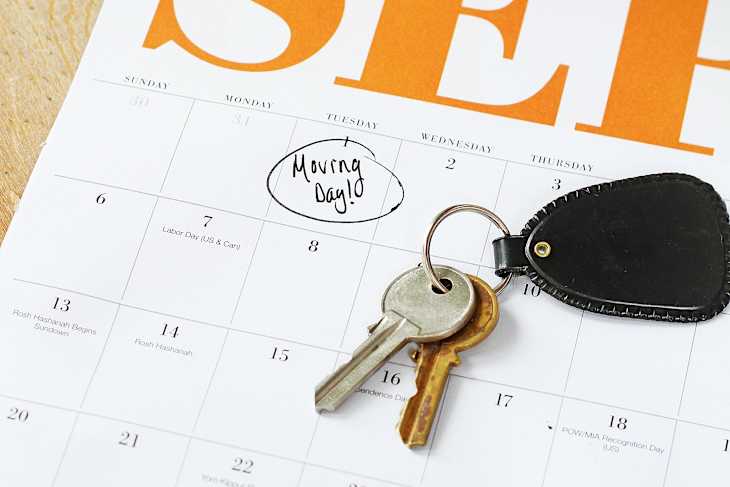
Every moving day has its hiccups, and it’s always best to have a go-with-the-flow, everything’s-gonna-be-alright attitude, but a little game plan never hurts. In fact, figuring out the best way to pack for moving can help make getting out of your old place and moving into your new home so much easier.
A smooth unpacking process is highly dependent on how you packed in the first place. As you get started filling boxes with your things, here are a few deliciously persnickety strategies for your most organized move ever.

1. Keep clothing on hangers.
Thinking about efficiency both when packing and unpacking is the best way to pack for moving. Keep clothing that’s hung in the closet on hangers, put large garbage bags around them from underneath, and tie off the bags at the hangers. This means easy packing and unpacking because all you have to do at your new place is hang your clothes and take off the garbage bags.
2. Use luggage to pack heavy items.
One of the best packing tips I’ve learned recently is to make use of all your luggage. Rather than transporting empty luggage, use it instead of boxes. Heavy items like books are much easier to move in rolling suitcases, so it makes sense to put them in your suitcases.
3. Use what you have.
Some of the best ways to pack for moving involve using what you already have rather than buying supplies. Not only does this save money, but it also saves space (which also saves money). Using clothing or towels instead of bubble wrap to protect delicate items is one way to use what you have before paying for materials. Note: You probably want to use actual packing materials for large items like a TV or mirrors.
4. Adopt a letting-go mindset.
The number-one thing that makes packing for a move easier is packing less. Going into your move with a decluttering mindset helps you let go of as much as possible that you don’t need to take with you. For instance, maybe toss your toilet brushes and buy new ones. You can also sell the furniture that you’re not sure will fit your new place.
5. Pack least-used items first.
As you begin packing up your old place, start by packing all the items you rarely use. Start with everything in the attic and garage that isn’t already in storage bins or boxes. (Even if they are, make sure you label!) Next, move on to items in your house that aren’t part of your daily life, such as books, movies, and artwork.
6. Store packed boxes in such a way that the least-used items go in the truck last.
Clear out an area to store your packed boxes before you move. If you have a garage, that’s an obvious spot. Because you’ve packed boxes of least-necessary items first, these boxes will readily go in the back of your stack, which means they will get put into the moving truck last — exactly how you want it.
The boxes that were last into the truck get deposited in rooms in your new place first and left to the bottom and back of the stacks in the new place, while more essential packages are stacked in front and on top of them. This way, you’re doing what you can to keep boxes packed with more essential items the most accessible.
7. Create color-coded labels for each room in the new house.
Most people helping you move, professional or not, don’t pay too much attention to written labels on boxes. Plus, “back bedroom” might not mean very much to them. But if you have each room in the new place clearly marked with a color and your boxes all labeled with this color, you drastically increase the chance that your boxes will end up in the right room.
8. Instruct movers to put boxes in the center of the room.
Try to avoid boxes stacked against walls, as this will cause extra trouble if you still need to assemble furniture that goes against the walls.
9. Keep dresser clothes in drawers.
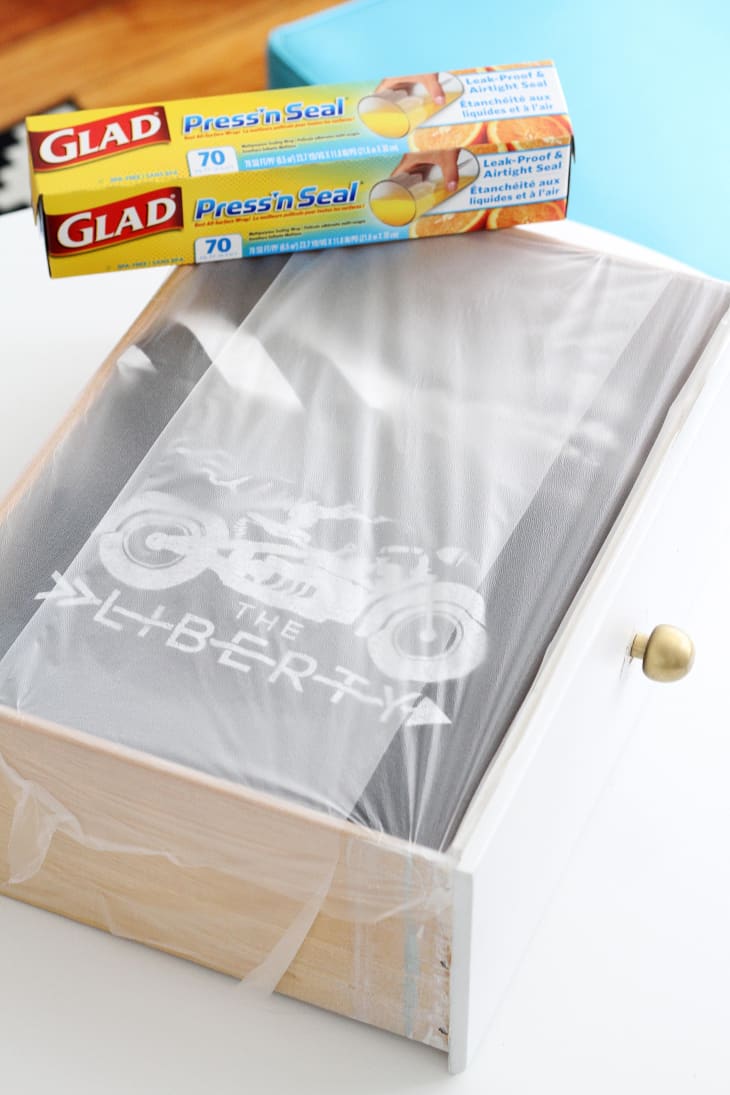
There’s absolutely no need to pack dresser clothes in boxes. To keep clothes from getting dirty and to guard “unmentionables” from everybody’s eyes, tape some packing paper or plastic wrap over the drawer. Insert drawers into the dresser once it’s on the moving truck, and then take drawers out again when you get to your new place.
10. Label boxes on top and two sides.
Label every box (with those colored labels!) on the top and on a short side and long side of each box. This way, every person who picks up a box from any which way knows where it goes.
11. Have donate and toss boxes at the ready as you’re packing.
Even if you’ve done a good job of decluttering before starting to pack, you may be able to purge even more as you’re actually putting things in boxes. Once it’s at the new place, you’ll probably just put it somewhere, but if you make quick decisions as you’re packing, you might be able to pare down your belongings even more than you have.
12. Keep track of screws and parts for furniture you have to disassemble.
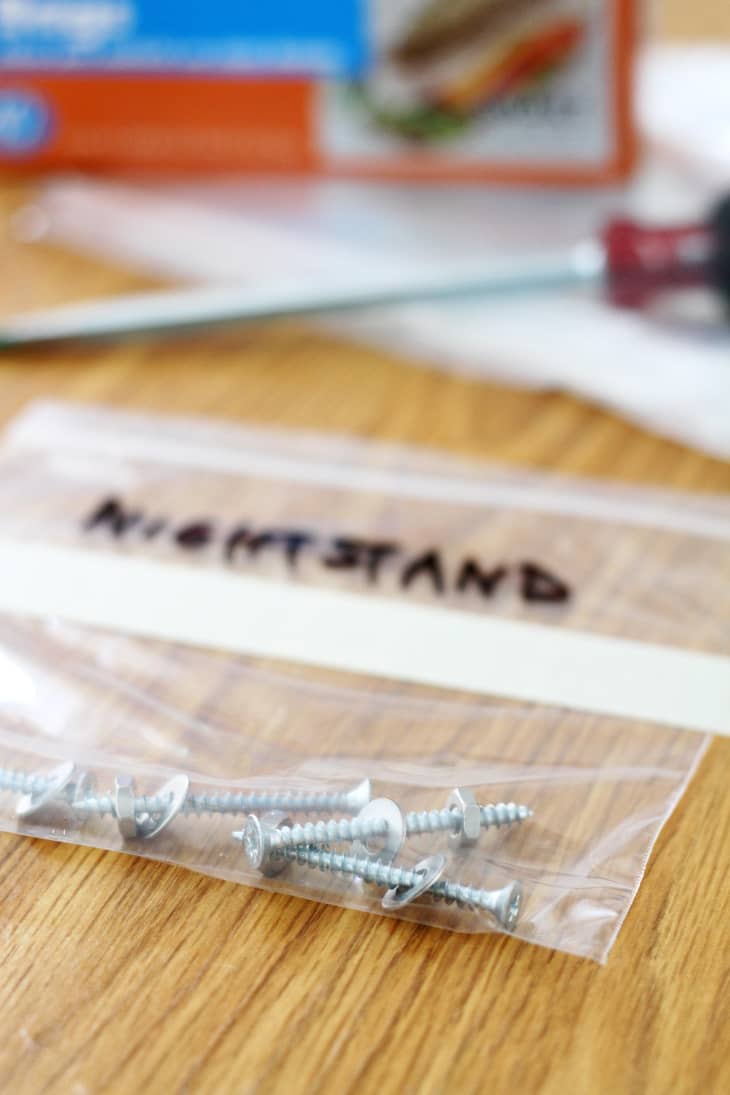
If you need to disassemble furniture, put screws in zip-top bags and label them well. Put all of these bags in one special box — one that you can access easily as soon as you’re at the new place, because you’ll likely start assembling furniture early on in your settling-in process.
13. Keep a numbered spreadsheet that outlines the contents of boxes and bins.
If unpacking is going to be slow for you (for instance, you’ll be working full-time as soon as your feet hit the ground, or you have a baby), you may need to be able to find specific things quickly without searching through several boxes. For this type of situation, label boxes with numbers as well and make a spreadsheet that outlines the contents of each numbered box.
14. Pack an overnight bag for each member of the family.
Pack a suitcase for the move-in night. This should have toiletries and a change of clothes for each member of the family, along with other essentials like phone chargers, medication, and maybe a favorite book or activity.
15. Pack bedding where you can grab it easily to make the beds for your first night in the new place.
Along with the previous point, think through your sleeping arrangements for the first night or two in your new place. Will the beds be set up? Will you just sleep on mattresses? Air mattresses? Get the bedding or sleeping bags and pillows you’ll need and keep them in an easily accessible place to make sure they don’t get lost in the moving shuffle.
Check out the The New Mover to discover the latest tips and most innovative hacks to make your next move the smoothest one yet. This content was presented by a sponsor; it was created independently by our editorial team.