
We Asked Pro Painters What Paint Trend Homeowners Regret Most, and They Basically All Agreed
Whether you’re changing the color of an entire room, refreshing your exterior paint, or just touching up a few bits of trim, there’s no denying that painting a space can be one of the most affordable ways to upgrade your home. And while there’s a lot of info out there about the best way to paint like a pro, choosing the right color is decidedly less straightforward. In fact, pros report that the color selection process is where most homeowners often get tripped up.
The good news? Contractors and pro painters have seen a lot of color disasters over the years when it comes to paint choices — and I picked their brains to help you avoid the same fate. In doing so, I discovered a glaring paint trend that, if you can avoid it, might mean you’ll never commit to the wrong color again.


The Paint Trend Home Owners Regret the Most
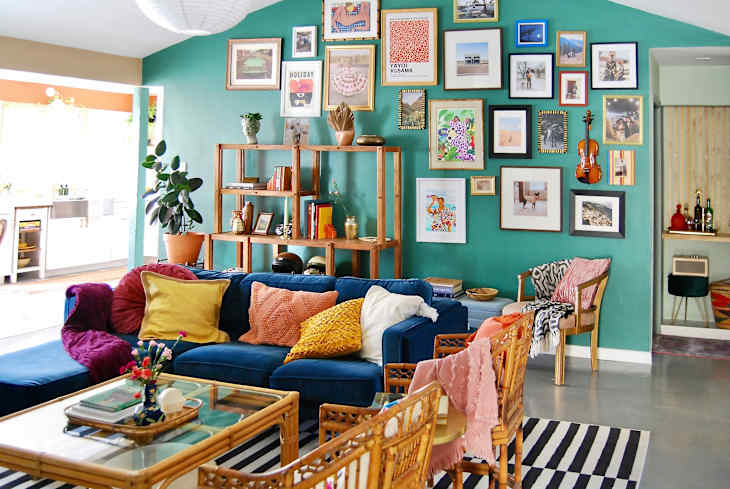
Dark colors are bold, adventurous, and can certainly help you stand out — but, while taking a risk might seem fun in the moment, a dark-colored accent wall is one of homeowners’ biggest painting regrets.
“Homeowners most often regret their accent walls — the trendy, bold, popular ones — when opting for anything very deep and dark in color, like dark navy,” says Yan Margulis, CEO of Capable Group. A bold color is not necessarily bad in all cases, but Margulis says most people do not rethink the entire space after choosing a moodier hue.
“The most frustrating aspect of bold accent walls is that, after some time, they tend to clash with the rest of the home’s aesthetics as your personal style develops,” he says. “Once these accent walls have been painted again, clients usually tell me that everything feels fresher, more spacious, and easier to decorate.”
Alecia Taylor, an interior designer at Cabinet Now who collaborates with many painters, agrees. “One of the most common trends homeowners regret is overly dark accent walls, especially deep grays, navy blues, and even black,” she says. “While they can look stunning in the right space, many people underestimate how much these colors absorb light and make a room feel smaller or moodier than expected. I’ve seen clients excited about a bold statement wall, only to hire painters later to cover it up with something lighter and more inviting.”
Dark paint colors are also a pain to cover up, and often require the help of professionals, so avoiding them altogether might help you save money in the long run.
On the opposite end of the spectrum, all-white rooms don’t always work, either. “While bright white walls can feel fresh and modern, many homeowners realize too late that stark white can make a space feel cold and sterile, especially in rooms without warm lighting or natural textures to balance them out,” Taylor says. The fix? She recommends testing out your paint colors and observing them at different points in the day. A dark accent wall might feel totally different at night with overhead lighting, while a crisp white might feel too sterile in the harsh light of day.
Using different colors in different rooms is another common regret that Kelly Mardis, owner of Marcel Painting, sees from his clients. “A good paint job requires both creativity and uniformity,” he says. “Different colors are good, but you want them to blend well with the rest of the house; each room shouldn’t feel like you’re on another planet.”