
My Parents Use the Filipino Concept of “Pasalubong” Every Holiday — And I’ll Never Host Any Other Way
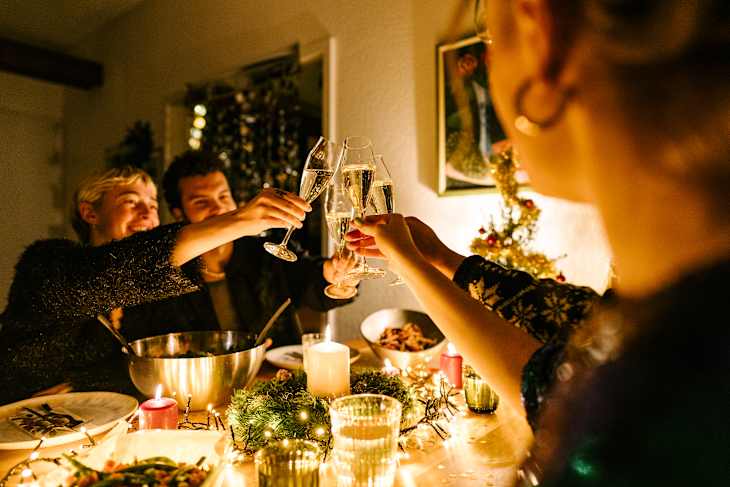
In my Filipino family, the holiday season starts the second the “ber” months come around. That means numerous karaoke sessions, friends and family crowding the living room, and so much food. Growing up, I used to think the overflowing dishes in our sink and frantic trips to Costco before parties were just because of my overprepared parents, but entering adulthood made me realize it was actually part of my parents’ unspoken rule of hosting: No one should ever leave hungry. In our culture, feeding people is a form of giving. It’s the kind of everyday generosity that shows up in second and third plates during dinner or to-go boxes at the end of the night.
The first time I took on my “oldest daughter responsibility” to host a family holiday party, I caught myself doing the thing that my parents had always taught me to do: making sure every leaving guest was carrying enough leftovers for the week. The way our guests are lovingly pushed to take leftovers home makes me think of pasalubong, our tradition of bringing something back for others. With every packed container, I’m reminded that care in Filipino hospitality doesn’t end when the meal does.
What Is Pasalubong?
To fully understand why leftovers are sacred in my culture, it’s important to first understand the concept of pasalubong, which are gifts brought back to our home country after a trip and given to the people closest to us. It’s basically our way of letting them know we thought of them during time apart.
Ever since I was a young girl, I’ve witnessed this tradition in different ways, from balikbayan boxes (boxes shipped to the Philippines from an overseas Filipino that are typically filled with clothes, personal care items, and food) to extra checked bags at the airport.
I remember gathering the clothes I had outgrown every year so that my parents could pack them in balikbayan boxes and send them to my younger cousins. And how every one of my family’s visits to the Philippines meant checking in extra luggage just to fill it with gifts and necessities from the States.
Pasalubong has always been our way of giving back to the people who matter most, and it’s in no means limited to just souvenirs from our travels.
How Pasalubong Inspires My Family’s Leftover Ritual
The ritual of leftovers at my family’s parties feels like another version of pasalubong. When guests leave our house with containers of lumpia (a Filipino spring roll) or pancit (a Filipino noodle dish), or even when I leave another Filipino family’s party with food, it feels like a gift to carry home.
I used to watch my parents cook for hours, making more food than necessary, just to insist that everyone take food with them so our house would carry no more leftovers. At the time, it never made sense to me. But as I began to host more, I came to understand that this practice mirrors pasalubong. It’s how we express care and kindness, making sure no one leaves empty-handed. The food itself is just a plus.
How You Can Pack Leftovers with Care
Packing leftovers thoughtfully is part of the joy of hosting, and my parents taught me it doesn’t have to be complicated. In true Filipino style, we tend to work with what we already have, which most of the time happens to be paper plates and tin foil. Plates are filled with our guests’ favorite foods and securely covered and wrapped with tin foil. They pack as many plates as they want before we give them a paper or plastic bag to take their leftovers home safely.
For larger gatherings, you can buy to-go containers in bulk from Home Depot or Target. This makes it easier for guests to pack their takeaways without having to worry about unnecessary messes or accidental spills. At the end of the night, it doesn’t matter what the food goes in; it’s about the care that goes into sending it home with your loved ones.
The True Meaning Behind My Parents’ Hosting Rule
I’ve learned that my parents’ No. 1 hosting rule — that no one should ever leave hungry — is far more than just food. It’s their way of building community, of making sure every person who walks into our home feels cared for and included.
I always knew hospitality was a huge part of our Filipino culture, but I never understood its depth until I watched how naturally it was for my parents to extend it to everyone around them. When my parents would refill plates before I even noticed they were running low, or when they’d make sure my friends took leftovers home for their parents “just in case,” they were really letting them know that they were a part of our circle.
Care, in their eyes, didn’t have to be spoken; rather, it was served. And as I got older, I realized their simple rule had stayed with me. Their “feed everyone, and feed them again” mindset has shaped the way I welcome people in my own life, and it’s a reminder I’ll carry with me no matter where I go or who I host.