
This Old-World Art Style Is Quietly Becoming the Year’s Coolest Design Trend
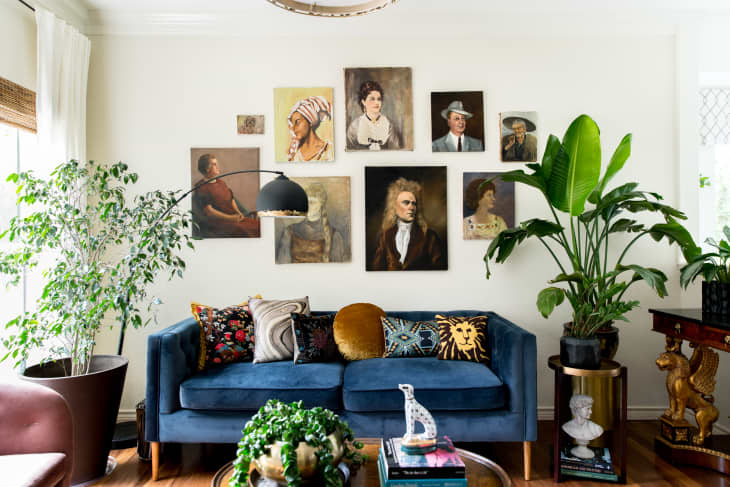
I’ve been hearing that gallery walls are “out” now for a while — from designers, tastemakers, and even friends who aren’t even all that into decorating. To this, I say the following: impersonal gallery walls, sure. But a salon-style arrangement with variety that means something to its owner? This kind of gallery wall will never not be great.
I’m definitely a “more is more” person when it comes to art. So I’m not giving up gallery walls or their close cousins, gallery clusters, anytime soon. If you’ve been feeling like your gallery wall is a little stale, though, I hear you. That’s why I’m borrowing an idea from a fancy museum to freshen mine up.

Over the summer I wandered into a small gallery at the newly re-opened Frick Collection, and there I met my latest art infatuation: portrait medals and intaglios.
What’s the Difference Between Portrait Medals and Intaglios?
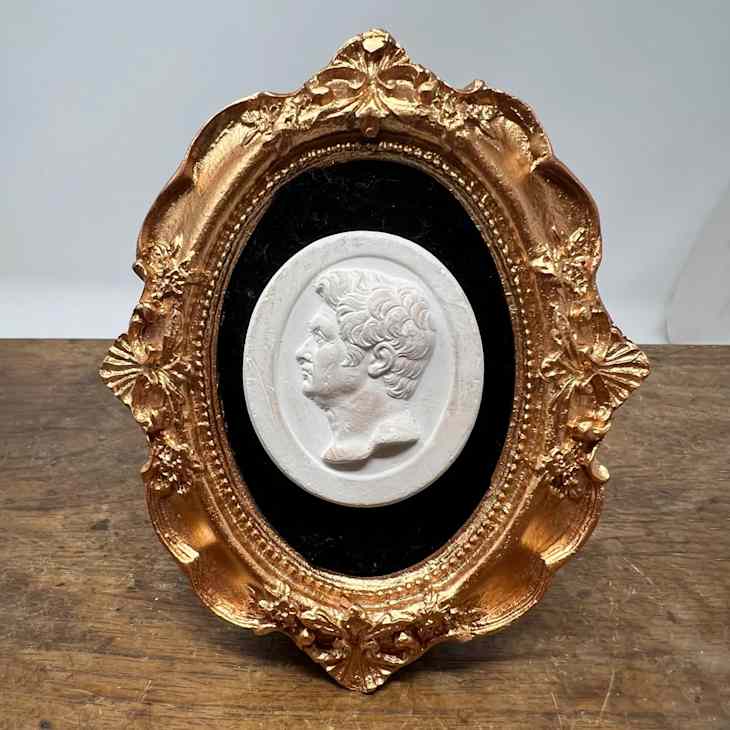
According to the gallery descriptions at the Frick, portrait medals date back to at least the 15th and 16th centuries in Italy, where they were used during the Renaissance to commemorate people’s lives, wealth, and influence. Typically made of stone, wood, or metal, these disc-like pieces are essentially tiny sculpture-biography hybrids. They usually featured a given person’s likeness on one side and a list of their achievements, qualities, or important events in their life on the reverse. Inspired by Roman coins, these pieces showcased the influence the classics had on Renaissance society and art.
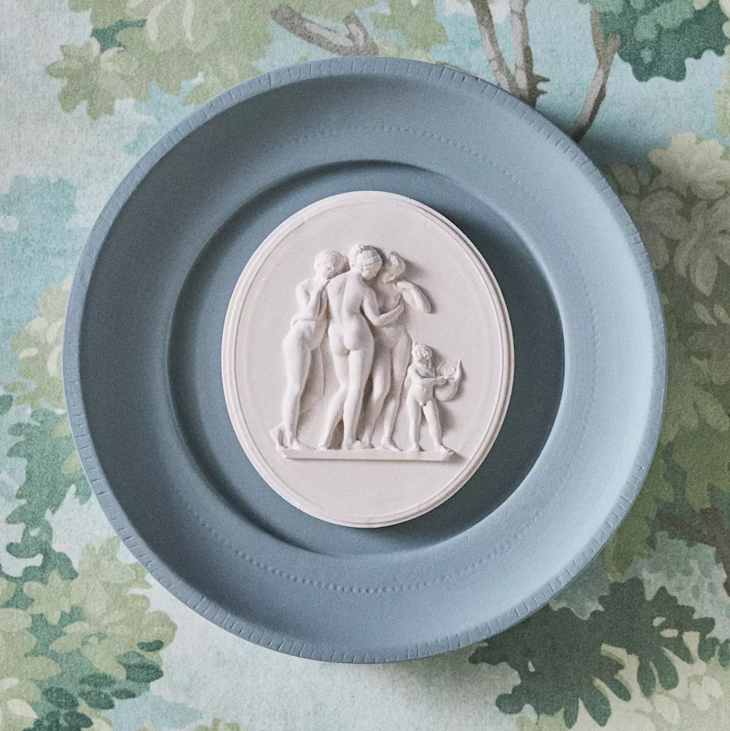
Fast-forward a few hundred years to the 17th through 19th centuries, and a similar type of artwork gained popularity: the plaster intaglio. Similarly inspired by classical motifs and created to resonate with European travelers looking to commemorate their travels, intaglios were sold as souvenirs. Although they didn’t depict collectors’ likenesses, they were personal emblems of sorts. They were amassed to demonstrate wealth, prestige, and knowledge — all things well-traveled individuals were said to have. Many featured mythological and historical figures in profile — just as portrait medals did.
Why Are Portrait Medals and Intaglios Gaining in Popularity Today?
While it’s far more likely that you’d find a plaster intaglio than a many-centuries-old, museum-worthy heirloom, you can definitely find this style of art in the secondhand market. Now, though, pieces inspired by these historic genres are also popping up new at more and more retailers. That’s probably because they’re small and easy to add to any wall as a decoration — plus, they aren’t super expensive (you can find them for less than $100, especially new and mass-produced if you’re on a budget).
Traditional design also seems to be booming again, and that means anything with roots in classical art and architecture tends to surge, too. Intaglios are also great for introducing variety into a gallery wall because they provide a little bit of dimension and charm wherever you put them, which brings me to where we started.
How to Get the Look
I myself recently found a pretty pair of intaglios at a Paris flea market, but you don’t have to book a flight to get in on this trend. I found a handful of new versions on the market, and any of them would perk up a tired gallery wall — guaranteed.


Design Defined
Never miss the style inspo and recommendations you crave with Design Defined. Follow along each week as our Home Director Danielle shares the best style advice, latest trends, and popular decor finds you just can't miss.