
Here’s Why Scallops Are Everywhere in Interiors Right Now
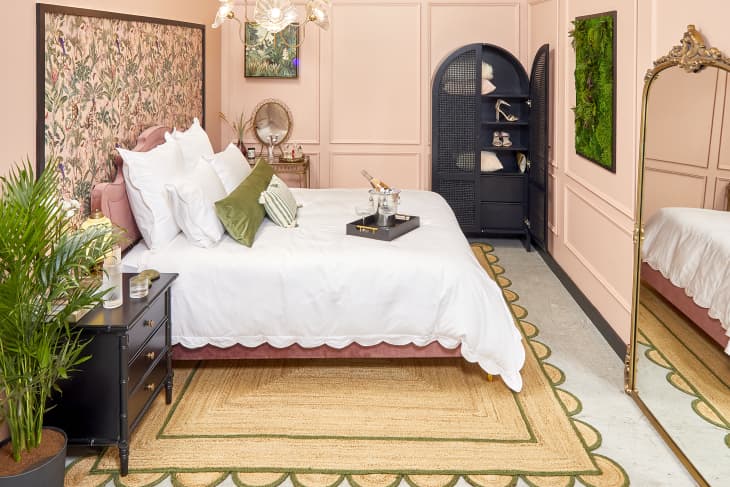
Home decor trends come in all shapes and sizes. Recently, one shape in particular has emerged with no signs of slowing down. While there are many new shapely decor trends to keep an eye on, scalloped edges are the silhouette that has been dominating every interior moment.
While scallop motifs may seem connected to the wavy decor trend, scalloped and wavy edges differ significantly. For one, scalloped edges have older and more traditionally inspired roots than waves do.

“There is a big difference between the wave and the scallop, and they have different origins,” says Leah Ring, founder of Another Human. “I trace the wave silhouette back to Jean Royere’s furniture in the ’30s and ’40s, and then it was rebirthed in a more playful way by the Memphis Design Group in the ’80s. Scallops can be found in Queen Anne and Victorian era furnishings.” So, what defines a scalloped edge and why are they trending right now? Here’s what the design pros say:

What is a scalloped edge?
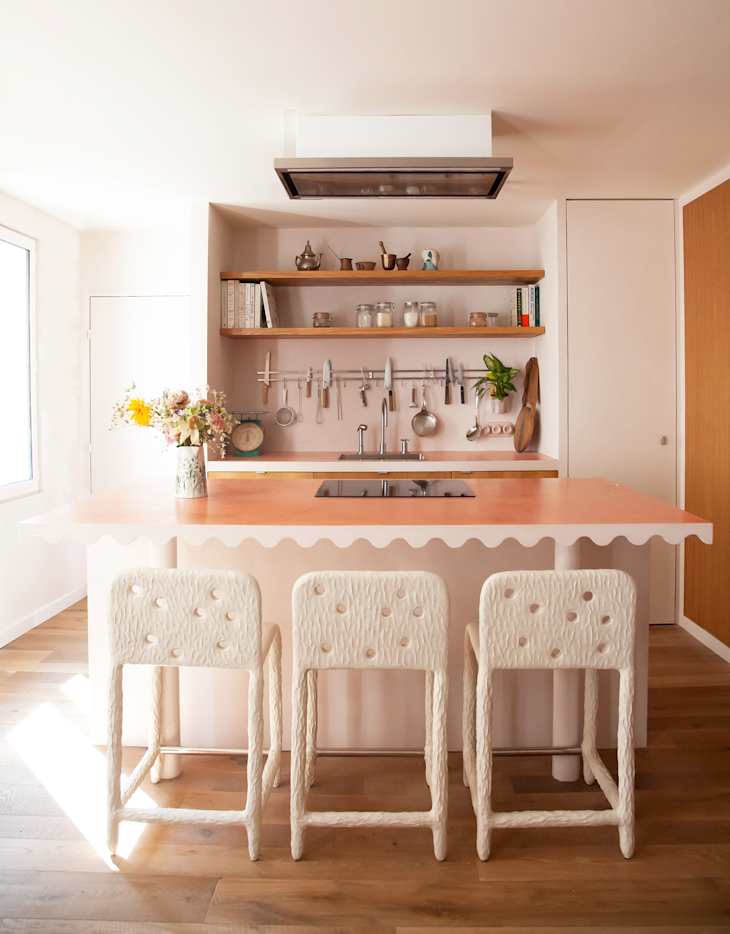
From an appearance standpoint, you can make a case that scalloped edges resemble waves. However, scalloped edges have more distinctly structured curves. Instead of quirky and sometimes mismatched squiggles, scalloped edges are a repetitive pattern of semicircles that form consistently sized, mini arcs around an object.
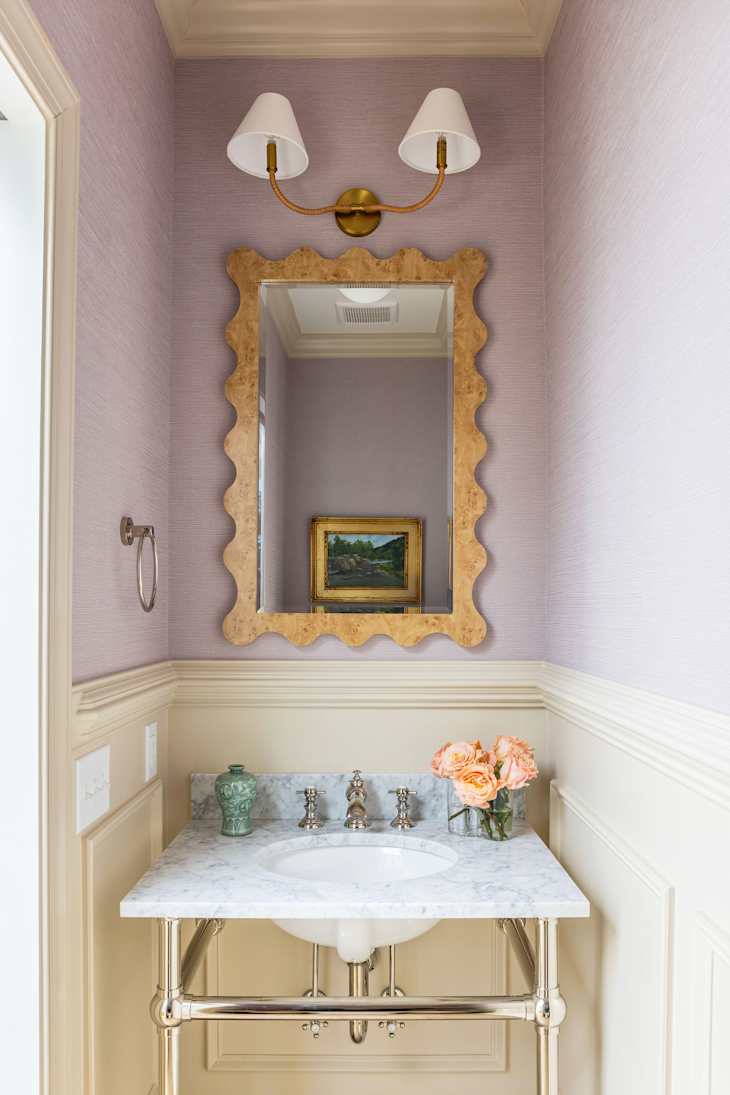
“The scalloped edge has the biggest impact on pieces where an element of playfulness adds to an otherwise functional item,” say Mallory Robins and Elizabeth Bennett, founders of the Kansas City-based interior design studio Kobel + Co. Nowadays, scalloped edges aren’t just a finishing touch on throw pillows: They’re adding memorable, visual appeal to everyday objects such as furniture, tableware, and mirrors.
Why are scalloped edges so trendy right now?
The trend of scalloped edges has ebbed and flowed since their initial 19th-century ascension, but designers are pinpointing their recent popularity to minimalism — or more specifically, a departure from the aesthetic. “I think the desire for singularity is driving architects and designers today to explore new forms,” notes Julien Sebban, founder of Uchronia. “We feel a need to move away from minimalist frameworks and strict lines, which became too cold and overused at the turn of the century.”
Ring shares a similar sentiment about the trend’s relationship to minimalism. “I think [minimalism] was so pervasive for so long. People are now craving more decorative flourishes in their furnishings and interiors,” she says.
Scallops may not be new in form, but scalloped edges are definitely flourishing right now. In addition to the whimsical touch they bring to simple, sophisticated environments, scalloped edges are resonating with other of-the-moment interior styles and materials. Their geometric-like shape makes them an ideal fit for Art Deco and maximalist aesthetics, but iterations of scallop forms have also popped up in rattan and seagrass textures fit for nautical-inspired spaces.
Sarah Scott, principal designer and owner of Sarah Scott Designs, believes scalloped edges can thrive within different aesthetics, even though they do feel more traditional and feminine to her. “[Scalloped edges] are approachable and not so stuffy in design,” she says, sharing that they’re a feature she loves to incorporate into bathrooms. “With no hard edges, they can complement another pattern quite nicely.”
What’s next for scalloped edges?
If you’re waiting for the scalloped edge trend to quiet down, it could be a long wait, according to the designers interviewed for this article. No matter how much the design landscape changes, scalloped edges seem to always find a way to hold relevance.
“I think the wavy trend may come and go, but the scallop is here to stay,” Scott says. “They are now well integrated into our environment and widely appreciated,” Sebban adds. “With design constantly evolving, it will be interesting to see where this trend takes us.”
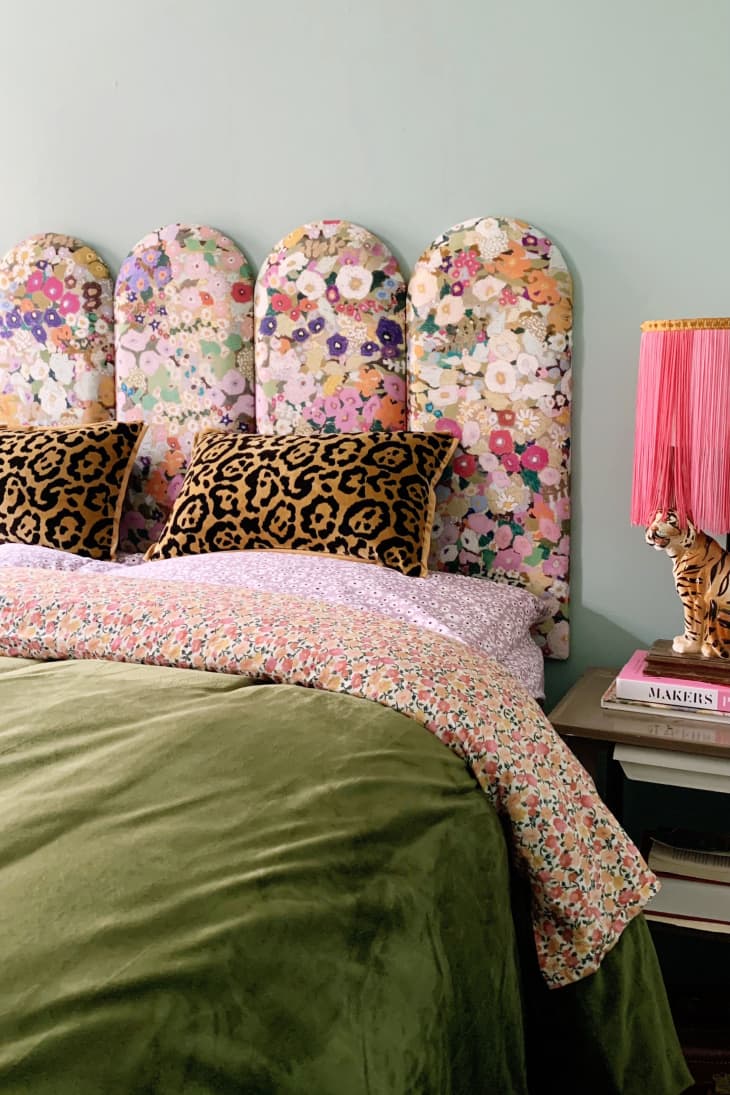
How to Get the Scalloped Look at Home on a Budget
Ready to take on the scalloped-edged trend yourself? Start by checking out the playful, under-$100 gems below:


Design Defined
Never miss the style inspo and recommendations you crave with Design Defined. Follow along each week as our Home Director Danielle shares the best style advice, latest trends, and popular decor finds you just can't miss.