
See How a Stager Transformed These “Unusually Shaped Rooms” into Stunning Spaces
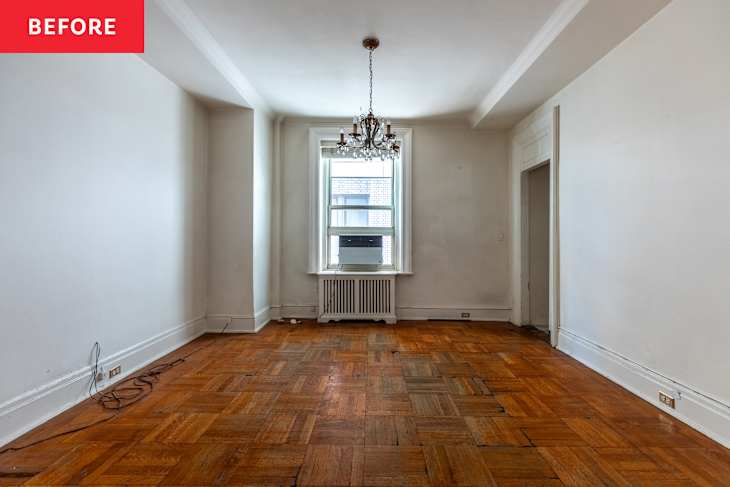
By the time Jason Saft, an award-winning home stager and founder of New York city-based Staged To Sell Home, was called in to work his magic on this unit in The Clebourne, an Upper West Side co-op, it had been sitting on the market for an astounding 779 days.

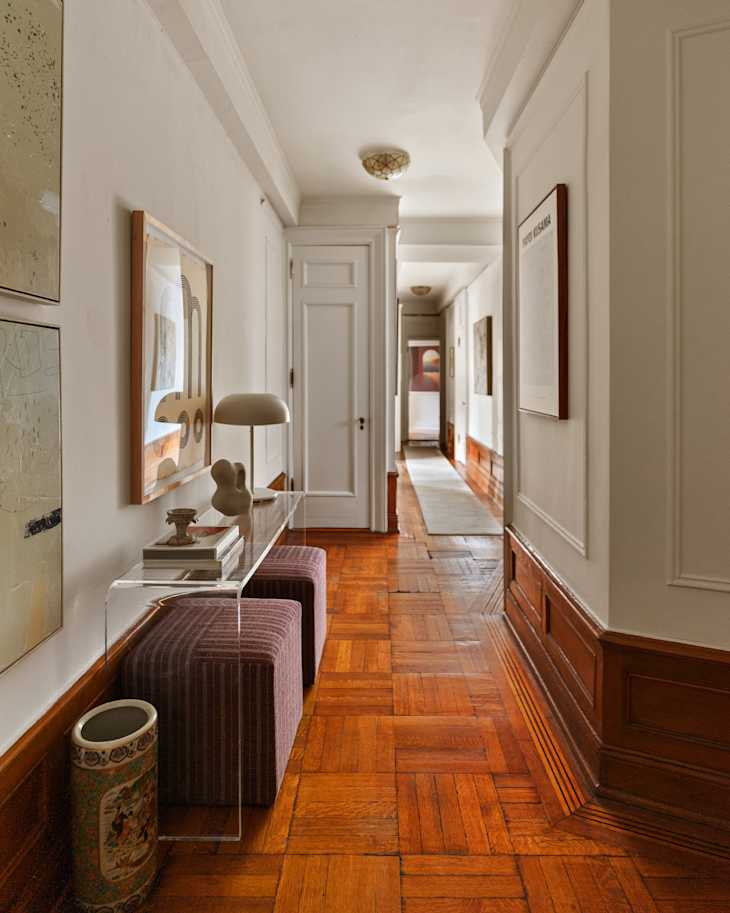
Saft describes how he “fell for it instantly,” even though the walls were scuffed and the air was stale. He saw past the desolate condition of the interior and got to work showcasing its features: the “rambling rooms, molding for days, long hallways, quiet corners, little places to get lost in.”

Here’s how Saft transformed the overlooked space into a stunning unit that had prospective buyers signing on the dotted line a mere month after the project was complete.

Identifying the problem and finding a solution.
The unit in The Clebourne needed major work. Even so, Saft says that “it was shocking to see a sprawling four-bedroom home with a 26-foot-wide long living room and 40-foot-long gallery foyer cost only $823 per square foot sitting on the market for so long. To put that in perspective, he adds, “the average price for a co-op on Manhattan’s Upper West Side is $1,336 per square foot.”

The home needed a full gut renovation, and Saft knew that “in order for buyers to see the future potential, we needed to present them with some idea of what the finished home could look like.” To this end, he explains that “it was critical to fix many of the flaws to make the project seem less daunting.”

Preparing the canvas.
Before turning his attention to the “fun stuff” like furniture and decor, Saft took care of some more fundamental elements of the home. Fixing and updating these things created a blank slate for him to then highlight the features of the space and create rooms that potential buyers could imagine themselves living in, beautifully.

“We repainted all the rooms, removed useful but bulky built-in bookshelves that were swallowing up square footage and collecting dust,” says Saft, adding that “while repainting we repaired some holes, seven cracks in the walls, the kitchen cabinets got a fresh face of high gloss paint to brighten up the dark wood.”

The final step of the refresh was a deep clean that Saft describes as “so intense you could perform surgery anywhere in the apartment after we finished (slight exaggeration).” This cleaning included making sure the unit smelled as fresh as it now looked: “I always air the home out for at least 72 hours to let stale air pass through,” he states.

Next, he turned to lighting. “Several broken and outdated light fixtures were replaced with modern fixtures that brightened the room,” he shares. The combination of fresh paint and updated lighting created a clean canvas ready for Saft’s artistic touch.

Refining the lighting and showcasing function.
When asked what staging principles he used in this project, Saft answers, “The goal was to remove dated and unnecessary items (several large bookshelves). We brightened the space by repainting in neutral paint colors (with the exception of the kids’ rooms, which were meant to be invigorating and punchy).”

In addition to the “much-needed glow” added to the rear-facing rooms through updated lighting, Saft “added light to the darker rooms that faced the internal courtyard of the building and added window sheers to soften those views.”

Saft also showcased how unusually shaped rooms could be used.

“We leaned into the double living room by creating two distinct seating areas to showcase the functionality,” he explains, adding that “large rugs anchored each seating area to create proper segmentation.”
Enjoying the payoff.
Although dramatic and labor-intensive, the changes to the unit paid off immensely. Once staging was complete and the home was reopened to potential buyers, it was under contract in just 35 days.

Saft knows that while his work brought life to a previously dreary interior, the unit has a whole new season ahead of it. “I’m so excited to see what the new owners do to this magical home,” he says.