
5 Red Flags Homebuyers Always Overlook, According to a Pro Organizer
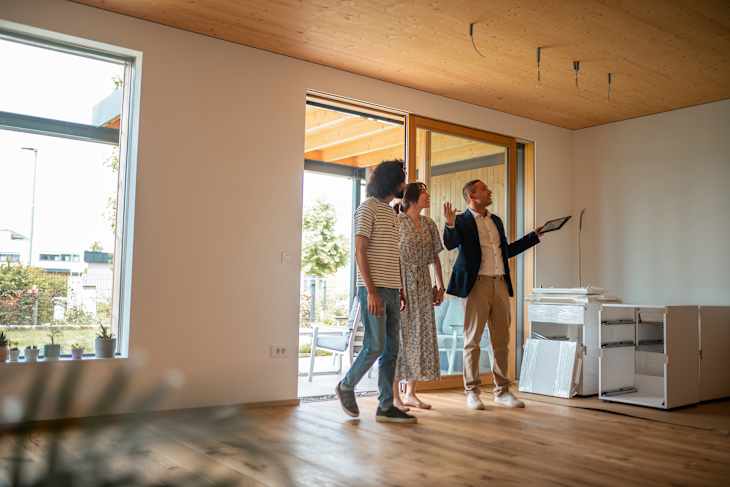
As a professional organizer, I have the privilege of working with people across all life stages — new parents, downsizers, and first-time buyers — and I especially love when I can partner with clients early in the home search process, when we can map out how their routines, habits, and closet storage needs will actually function in a space.
Over the years, I’ve seen a few storage red flags that scream “livability problem” long before unpacking begins. Before my clients step foot in an open house and get charmed by high ceilings, I teach them to spot storage red flags that too many buyers overlook, including the number one flag you’ll see right away.
The One Closet Storage Red Flag I Never Ignore at Open Houses
A home with no entryway closet storage is hands down the biggest issue I see buyers miss during home tours — and it’s foundational to daily chaos (or calm). Without intentional entryway storage for shoes, coats, keys, and bags, nearby surfaces quickly become clutter magnets. Whether you primarily enter through the front door, garage, or a back entrance, you need a dedicated space to store the items that walk in with you.
If there’s no closet near the door, look for available wall space. Can a bench or narrow console fit? No closet isn’t necessarily a deal-breaker, but no wall space might be.

Other Storage Red Flags to Keep an Eye Out For
Just like an entryway can make or break your daily flow, other overlooked storage zones deserve a critical eye while touring.
Misleading Pantries and Cabinets
Shallow pantries with wire shelves might seem fine on a tour until you try to stack bulk goods or tuck away your mixer. Cheap particle‑board shelves can sag or warp under daily use. If you’re counting on a pantry or cabinet to store heavy or high-use items, make sure it can handle weight, wear, and bulk. Some writers have used the “Dinner Plate” rule to understand what their pantries can actually store. Factor in the cost of reinforcing or upgrading these elements before moving in.

Kitchen Islands with Sinks
Islands with sinks are aesthetically gorgeous in listing photos, but in reality, dirty dishes are on full display. Drying racks take up prime counter space, and putting things away often means walking several steps to reach cabinets and drawers. Before falling for an open-concept kitchen, imagine where your coffee maker, mugs, cups, utensils, and plates will live — and how far those items are from your dishwasher or sink. Maybe you’ll need to downsize your dishware, add drawer organizers, or rethink your kitchen zones entirely.
Dead Zone Closets
Some homes have closets that are too narrow, oddly shaped, or poorly placed. They’re dead space dressed up as “storage.” If it can’t hold hangers, linens, or bulkier gear, it’s not helping your day-to-day life. A well-placed closet only matters if it actually works. A closet in a high-traffic area that can’t store what you need is just wasted space.
No Garage Storage Plan
Even the most minimalist households tend to accumulate tools, holiday decor, sports gear, and paint cans. Without space for shelves, wall racks, or ceiling hooks, garages often become chaotic dump zones — or force you to rent offsite storage. It’s important to decide early on whether your car needs to fit in the garage or if the space will serve primarily as a storage zone, or both. Make a list of big ticket items that need to live there, then plan your layout accordingly.

Bathrooms Without Storage
A sleek bathroom with a single pedestal vanity might look elegant — but where will your toiletries, towels, and backup supplies live? No medicine cabinet? No drawers? You may find yourself storing toothpaste in the bedroom. Assess how much space each bathroom offers and whether that aligns with your daily needs. When I see bathrooms with no built-in storage, I immediately look for a hallway closet nearby. If that’s missing, too, it’s a red-alert moment. These items need a dedicated home.
How to Add Storage When You Have No Entry Closet
If you fall in love with a home that lacks an entry closet, you still have options:
- Use wall space intentionally: A bench with drawers or a narrow wardrobe can mimic closet functionality.
- Shelves with hidden storage: Choose shelving units with built-in drawers, doors, or lift-up panels to keep daily essentials out of sight while maintaining a streamlined look.
- Hooks as decor: Try bold hooks or sculptural peg rails. They double as art and storage.
- Shoe storage that looks good: IKEA has a wide variety of shoe cabinets that are slim-profile, stylish and practical.
- Define the zone: A durable rug visually sets the boundary and helps contain messes.
- Multifunction furniture: Hall trees with built-in shelves or drawer benches offer vertical and horizontal storage.
Even a small corner can become a functional entryway if you define it and equip it thoughtfully. While no home is perfect, going in with clear eyes, and a plan, helps you stay focused on what matters most: making sure your new space supports your everyday life without surprise storage headaches.