
The Functional 700-Year-Old Feature I Wish Every Home Still Had (Especially in the Summer!)
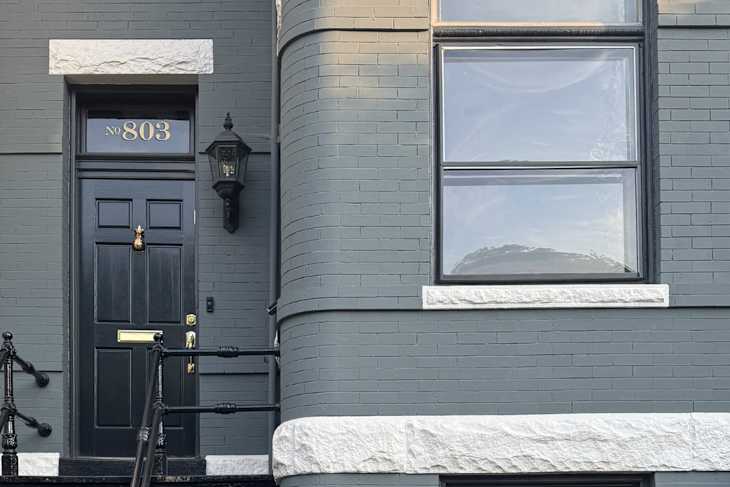
They don’t make them like they used to. It’s a common refrain from the old-house crowd, of which I am an enthusiastic member. And I can fully get behind that sentiment with things like Victorian dust corners, but particularly when it comes to transom windows. I have transom windows in my own Victorian home — and while I’ve always loved the way they look, living with them in my home makes me convinced that every home should still be built with them. It’s a shame they’re not!
To get a deeper look at where these windows originated, how they function, and whether they’re still relevant today, I asked two architectural experts and one real estate agent to share their thoughts. Here’s what they had to say.

What Are Transom Windows?
Transom windows are horizontal windows, typically placed above an exterior or interior door, as well as often above other full-size windows. They were originally introduced to add light and airflow to homes long before the days of air conditioning. Today, you’ll still see them in many older homes, but they’ve often been nailed shut or, much to the horror of any historic home lover, painted over to add “privacy.” Gasp!
To set the context for a transom window, first, it’s important to know what a transom is. A transom is the top bar that runs across a window or door. It adds strength to the top of the frame. Fittingly, a transom window is a window that sits directly above the transom. It’s typically a smaller, horizontally aligned window, and, in theory, it opens to let air and light in.
“Architectural transom windows were used as a method to bring fresh air and daylight into the interior of a building, while still maintaining the visual privacy of a closed door,” says Diana Melichar, president of Melichar Architects.

How Do Transom Windows Work?
The function of transom windows depends on their placement. Melichar explains that exterior-facing transom windows are often located over exterior windows, which are opened at sill height. In the days before HVAC systems, the transom windows would be opened in addition to the main window, providing additional air ventilation and creating a circular airflow between the high and low entry points.
Additionally, Melichar points out that transom windows, when used on or above interior doors, would allow daylight to enter into hallways and other spaces that would otherwise have limited natural light. While these would also be opened to maximize circulation throughout the house, they would have been a clever way to create light even when doors were closed.
The Wonderfully Long History of Transom Windows
The history of transom windows can be traced as far back as the 14th century, when early architects used these high-up windows to bring in air and light without letting prying eyes get a look at what people were doing inside. They were used throughout the centuries, but saw their biggest architectural resurgence in the United States during the 19th century, when city architects found themselves in need of a way to bring much-needed light and circulation into densely populated neighborhoods.
Josh Goldsberry of Third Street Architecture explains, “Transoms have a rich architectural history, but were especially prominent from the early 1800s through mid-1970s, once centralized air conditioning was more common.”
“Transoms were popular in the Federal, Neoclassical, Georgian, and Victorian style of rowhome,” Goldsberry says. He explains that transoms were often seen in long, narrow urban rowhomes where light and air were hard to come by, yet the homeowners wanted to maintain some privacy.
Once they were no longer necessary from a functional perspective, many people painted over them for privacy, or they kept the glass clear but nailed them shut.

Are Transom Windows Used Today?
Transom windows are still used in architecture today, though the most charming representations are, of course, those in older homes. When Melichar comes across historic transoms in a house, she’ll often try to get the transom windows in working order again, even if they’ve been painted or nailed shut. Melichar says, “If homeowners appreciate natural ventilation, which many do, as air conditioning can be noisy and less connected to nature, we try to make transoms operable again.”
Meanwhile, Goldsberry focuses on the architectural and historic charm they bring to a space. “Today, we lean into transoms for both the architectural details they can provide, but also as a nod to the original character of the home,” he says. This could mean returning to their original design and function or adding a flourish like stained glass or even ironwork.
However, it’s also important to note exterior-facing transom windows need to be treated and maintained like any other window. “I would advise clients to inspect them regularly to maintain energy efficiency and weathering conditions,” adds Taylor Lucyk, team leader and broker associate at Taylor Lucyk Group.