
This Is the Gorgeous Interior Design Trend That’s Replacing Outdated Accent Walls
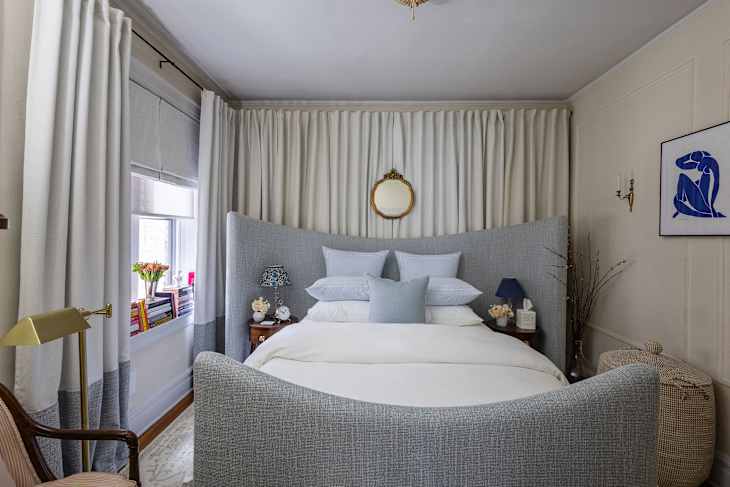
Single accent walls seem to always land on those lists of things designers say not to do when decorating. They’re generally an outdated relic of the very early aughts. What seems to bother the pros most about them is that they can make a room feel incomplete — like you just didn’t have the time, energy, or money to finish the job of painting or wallpapering.
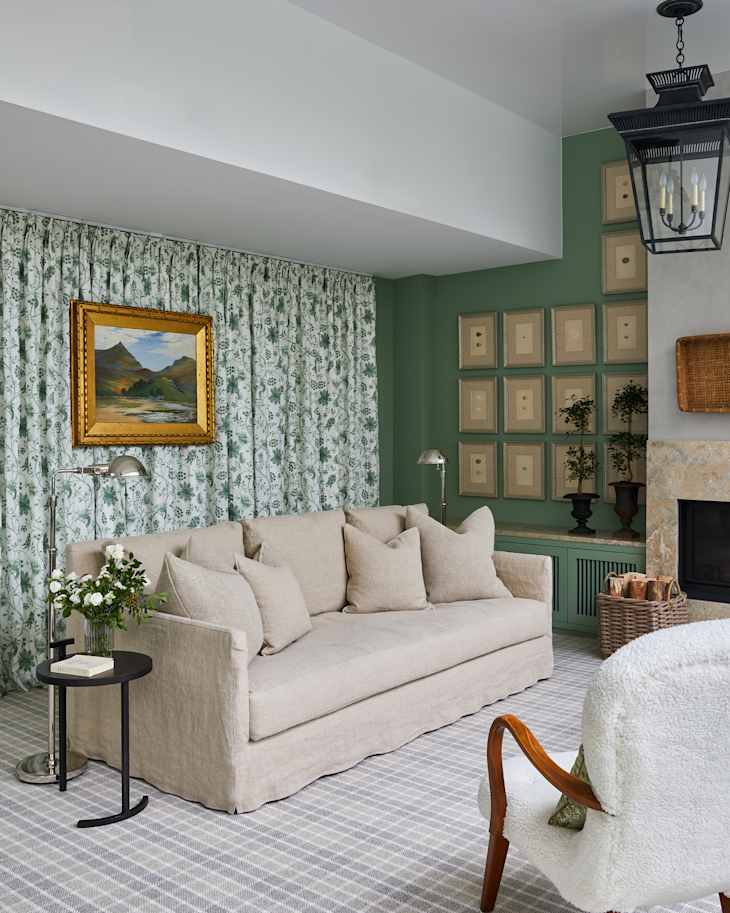
All of this ire towards accent walls, though, hasn’t stopped designers from experimenting with other wall treatments. Geometric wall murals really had a moment at the beginning of the 2020s, and are still going strong in some ways. Limewash paint has been the minimalist’s answer to bold color. And the latest interior design trend that’s replacing outdated accent walls? What I’m calling wall drapes, which I’ve been seeing in tons of high-end spaces, like the living room by New York City-based designer Meagan Camp just below, and several boutique hotels.

What Are Wall Drapes?
Wall drapes are curtain panels that are used to cover a wall or walls in a room essentially from floor to ceiling, regardless of whether windows are or aren’t present. And if windows are on the wall, the drapery isn’t framing them — it’s covering them completely as well as the rest of the entire wall.
Sometimes, wall drapes are used as a problem-solving element in a room; they may cover a tiny window that doesn’t have much of a view or an awkward secondary door that doesn’t get much use. Other times, soft curtains are being used as a full-wall design element in their own right — one that introduces gorgeous texture and the interplay of light and shadow to a space, thanks to the drapery pleats.
The Impact of Wall Drapes on Acoustics and Ambience
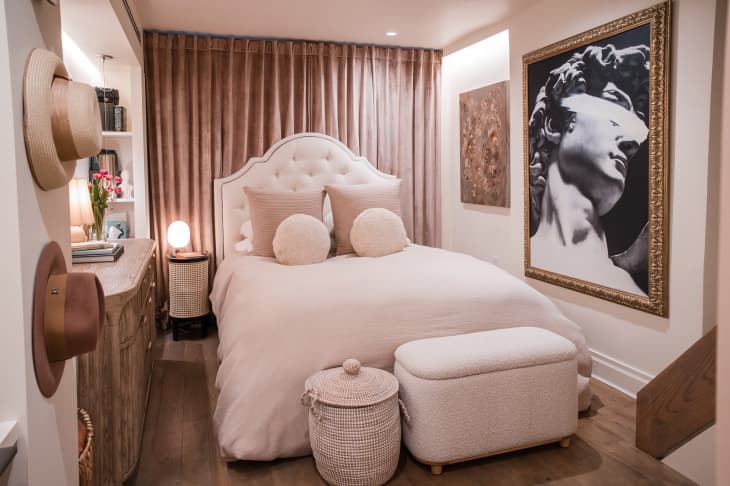
Wall drapes have been popping up all over Apartment Therapy house tours, too — particularly in bedrooms. Not only can a drapery feature wall bring a dose of softness, literally, to a sleep space, but this design choice can also help dampen noise and create a cozy, cocoon-like feeling. Typically, you’ll find wall drapes setting off the bed wall of a bedroom the way an accent wall might have 20 years ago. And if you still want to hang art above your headboard, you can figure that out with a little bit of fishing line — so no worries there.
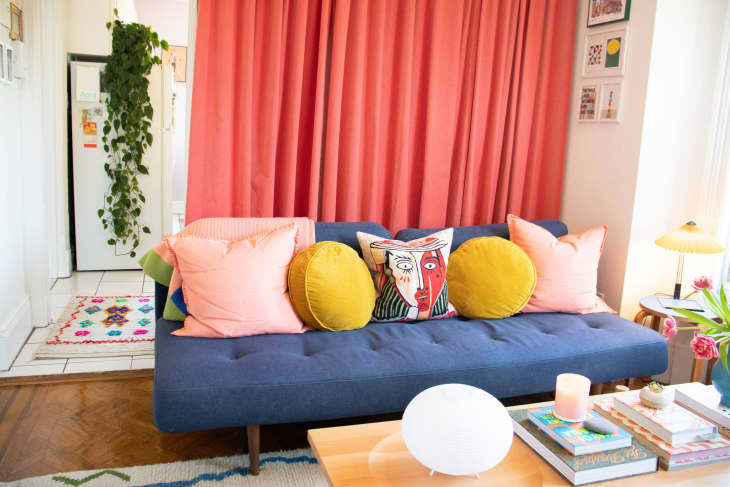
Another area where wall drapes are popping up? Living rooms. In this case, the effect is typically one for just plain ambiance. Here, wall drapes are often behind a sofa, again as some sort of an alternative backdrop for it instead of, say, a gallery wall or a statement tapestry. Below, the living room wall drapes are covering up “not-so-pretty exposed sliding closet doors ” in this Brooklyn apartment.
Choosing Wall Drapes That Are the Right Fabric, Color, and Length
This trend really runs the gamut from minimalist to maximalist, depending on what fabric you choose. If your style skews more quiet luxury than eclectic mix, solid drapes are probably your best bet. You can choose anything from a sheer material or a linen to a heavier cotton or velvet. Velvet seems to be popular in bedrooms and more dramatic, glam spaces.
More-is-more design schemes may favor printed wall drapes, again out of any material that you like the look and feel of. Either direction you go, you want the fabric’s colorway to work with the rest of your room’s palette. Some designers use wall drapes to reinforce a color-drenched look, too, so you could match your curtain choice to your wall color as well.
The important thing to remember about length is that the drapery should start at the ceiling and kiss the floor. Renters can get in on this trend with a tension rod and rod pocket drapery, which will hide the rod completely. Depending on the height of your ceiling, you might need to go the custom route with your drapes. That’s why it’s a little hard to recommend any specific panels or products for this application — it really does depend on your room’s measurements.
As far as how many panels to use, don’t skimp. If you want a voluminous look, which is kind of the point for this feature wall treatment, then play around with several panels until you get the exact effect you want. You could probably pin panels together, too, for a more seamless look.