
Designers Cringe When They See These 6 Things in a Bedroom
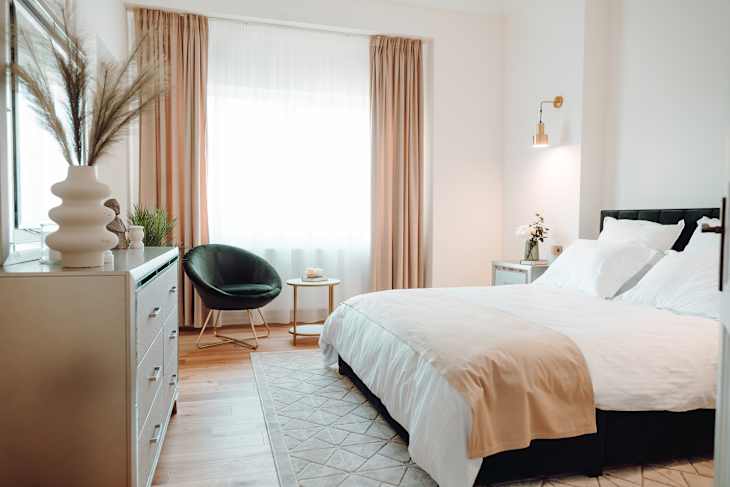
Decorating a bedroom is essentially curating your own personal retreat, but interior designers have strong feelings regarding what belongs in there and what doesn’t. I asked four design pros to share what they least like to see in sleeping spaces — the design decisions that give them the “ick” feeling.
If you’re in the process of decorating your own bedroom from scratch or simply looking to give it a bit of a refresh, heed their advice (it might help you with your choices!). But if you disagree with any of their opinions, take them with a grain of salt (or consider the alternatives they suggest). It’s your bedroom: You do you!
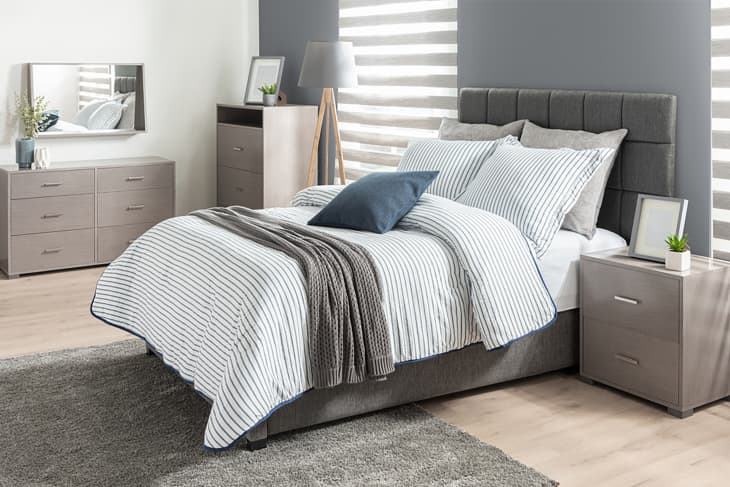
Matching Furniture Sets
Interior designer Dorothy McGhee cites matching furniture sets (beds, nightstands, dressers, and more — all from the same collection) as a bedroom “ick.” “They lack soul,” says the founder of McGhee Studios. “A space shouldn’t look like it was lifted from a catalog.”
Instead, McGhee is a proponent of weaving a mixture of different textures, tones, and styles “to create a bedroom that feels thoughtful and personal — something that reflects who lives there, not just what was in stock.” While steering clear of matching sets may mean that it takes you a bit longer to furnish your space, curating a collected mix of pieces will make your home appear more polished in the long run.
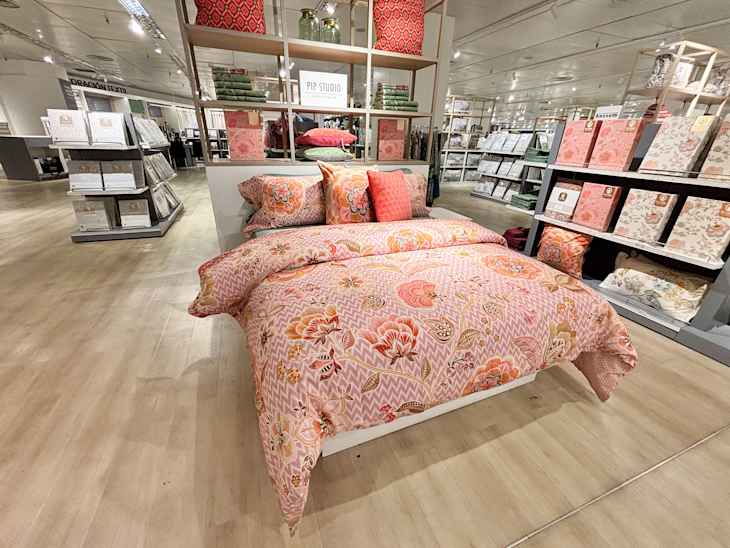
Overly Coordinated Bedding Sets
Speaking of all things matching, skip the overly coordinated bedding sets, too, advises Orna Fathers, the founder of Grace This Space. “You know the kind: matching shams, pillows, bedspread, and curtains in one pattern from the same package,” she says. “It can make the room feel impersonal and stiff like a hotel from 2002 rather than a cozy, personal retreat.” Instead, the designer is all for mixing different textures and colors on the bed. “It creates a collected, relaxed feel,” she says.
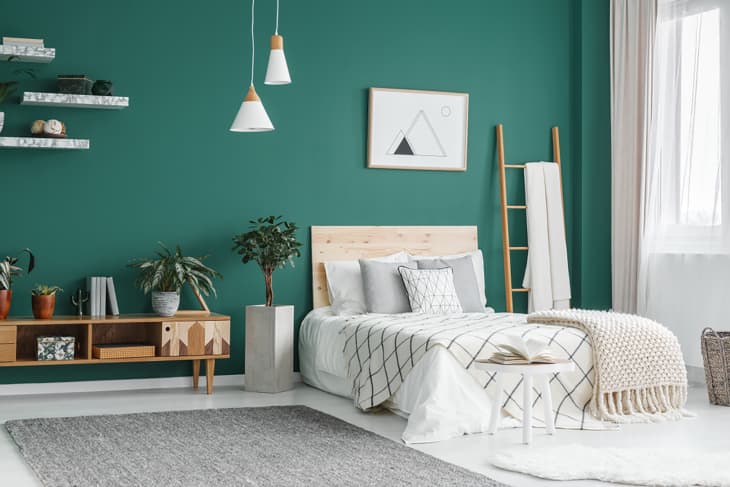
Off-Scale Furniture
As you shop for furniture for your bedroom, it’s key to think about scale. “A king-sized bed paired with small nightstands will look unbalanced,” says Lauren Winsor, the founder of House of Winsor Interiors. “Similarly, a large bed over a too-small rug is going to look disproportionate.”
Winsor shares a few key pointers to make sure nothing is off-scale: When possible, king and queen beds should be accompanied by nightstands measuring at least 30 inches in width, and rugs should extend on all sides of the bed by at least two feet.

Clothing Racks
If your closet is bursting at the seams (or you have no closet space!), you might rely on clothing racks as a backup form of storage for hanging items. Natalie Hager, the founder of Natalie Hager Interiors, considers placing these in the bedroom to be a major no-no. “If your clothes don’t fit in your closet, don’t put them on a clothing rack in your bedroom,” she says.
“Maybe find another closet in your house to store your overflow, or pack away seasonal clothes into storage bins and hide them in the attic or under your bed.” If you’re really having trouble finding a home for all of your garments, you might consider that you may be overdue for a closet clean-out.

No Headboard
Headboards can be pricey, but McGhee says they’re worth the investment because, to her, rooms without a headboard feel unfinished. You don’t have to go all out, she notes. “It doesn’t need to be dramatic, but a headboard grounds the bed and gives the space intention,” she says. “Even a simple upholstered panel or a vintage piece adds that necessary layer of comfort and style.”

Televisions as a Focal Point
Fathers understands that many people want to incorporate a television in the bedroom. That said, the designer gets the ick when a TV becomes the room’s focal point. “I always recommend reframing it — literally,” she says. “Buying a [Samsung] Frame TV, or placing your TV in a cabinet or surrounding it with art can help it blend in.” Another option is to install a projector and screen in your bedroom, which virtually disappears when not in use.