
Love It or Hate It, Brutalism Is Back — Here’s Why This Bold Design Trend Is Resurfacing
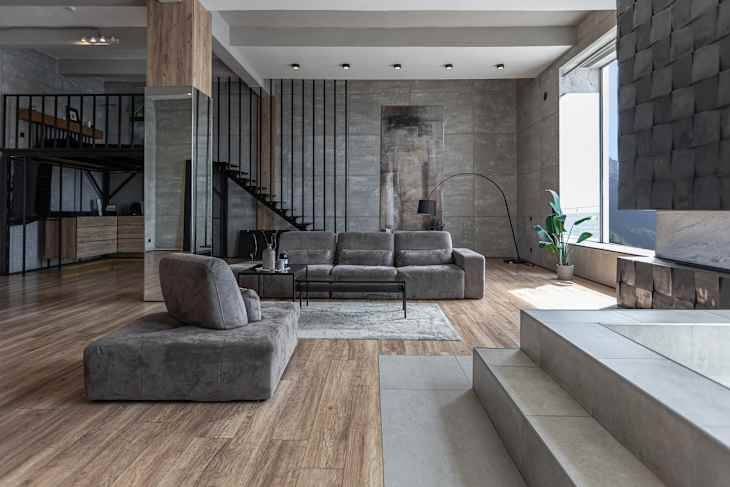
Brutalism might be one of the most controversial design styles out there. This isn’t necessarily surprising, as this architectural style can look cold and uninviting (picture massive sculptural concrete buildings straight out of a dystopian movie). Depending on who you ask, though, Brutalism can be powerful and beautiful. Despite its imposing look, it’s an unapologetic approach to design that strips it down to its rawest, most elemental form. Love it or hate it, one thing’s certain: Brutalism is having a moment.
Lately I’ve noticed more people rethinking the style’s stark aesthetic by bringing elements of Brutalist design into modern homes in surprisingly warm and livable ways. Whether through sculptural furniture or raw materials like concrete and steel, or a focus on bold geometric forms, Brutalism proves that it’s both an architectural movement and a serious statement-maker at home.

Here’s what you need to know about the style, plus how to make the aesthetic work in your space if you find yourself gravitating towards it.

What is Brutalism?
The word “Brutalism” comes from the French term béton brut, meaning “raw concrete” — which pretty much sums up the aesthetic. Brutalist design is all about embracing raw, unfinished materials, geometric shapes, and a sense of structural honesty. “Brutalism is a design style that highlights the beauty of concrete, steel, glass, and wood in their most unrefined forms,” says Cabinet Now designer Alecia Taylor.
Instead of hiding materials behind decorative finishes and ornamentation, Brutalism puts its building blocks front and center with a bold, dramatic certainty.
When was Brutalism popular, and why is it making a comeback now?
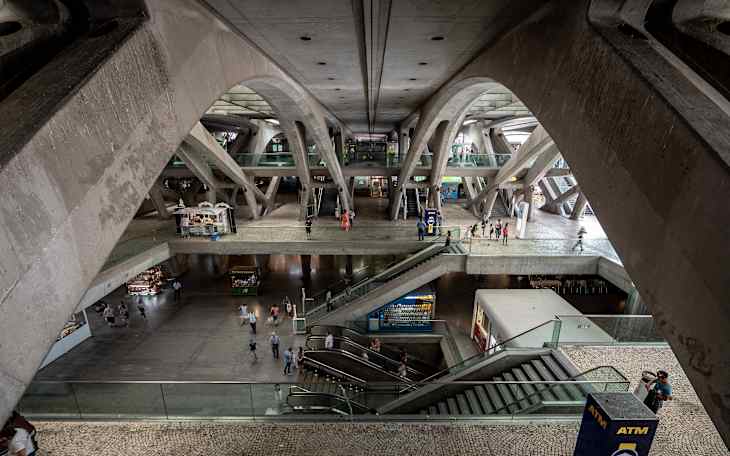
As cities rebuilt after World War II, Brutalist architecture emerged in the 1950s. “It started first in the U.K., where post-war bombings left many areas in need of quick, affordable housing,” explains interior designer Alexandra Cooper of Planner 5D. By embracing exposed materials and minimal finishes, architects could speed up the process and create buildings that were “authentic, raw, and unornamented,” she adds.
Because concrete was inexpensive and durable, Brutalism spread quickly between the 1950s and 1970s, becoming the default for government buildings, universities, and large-scale housing projects. And while some saw this type of architecture as forward-thinking, others found it cold and oppressive — especially as the concrete aged and weathered over time.
So why is Brutalism making a comeback now? According to Taylor, this resurgence ties into a larger movement toward minimalism, industrial aesthetics, and sustainable materials. “As homeowners shift toward authentic, long-lasting materials, Brutalist elements — like exposed concrete and natural wood cabinetry — fit seamlessly into modern interiors,” she says.
And, of course, Brutalist design is now getting a fresh wave of attention, thanks to The Brutalist, the 2024 Oscar-nominated film starring Adrien Brody.
What are the key elements that make up Brutalist architecture?
- Raw, unfinished materials like concrete and steel
- Rough surfaces and blunt edges
- Large-scale, block-like, and sculptural design
- Repeating grids and geometric lines
- Monochromatic and minimalist color palettes

How is Brutalism different from other popular design styles?
With its raw materials and pared-down aesthetic, Brutalism is often compared to industrial or modern design, but there are key differences that set it apart aesthetically.
Taylor believes industrial design is the closest comparison. “Both styles celebrate exposed materials and structural elements, but Brutalism is heavier, more monolithic, and less focused on repurposed or vintage materials,” she explains. “Industrial spaces often have a loft-like feel with worn textures, brick, and metal piping, whereas Brutalism leans more sculptural and stark.”
Brutalism also shares some DNA with modern design. Designer Amanda Kuhlman of Kuhlman Design notes that both styles’ angular forms and emphasis on functionality intersect. “Brutalism and modern design emerged around the same time and have similar characteristics, but where they differ is in the finish,” she says. “Modern design is sleek and polished, while Brutalism feels raw and rugged, due to its heavy use of concrete and steel.”
Design Defined
Never miss the style inspo and recommendations you crave with Design Defined. Follow along each week as our Home Director Danielle shares the best style advice, latest trends, and popular decor finds you just can't miss.
At its core, Brutalism strips design down to its essentials — it celebrates materials for what they are rather than what they could be.

How to incorporate Brutalism into your home
- Start with your materials. Brutalism is all about honesty in materials — no fuss necessary. If you’re renovating, consider concrete countertops, a stone fireplace surround, or even unfinished wood paneling to bring in that signature raw texture. A concrete side table or a steel bookshelf can add a Brutalist edge without a full overhaul for simpler projects.
- Play with contrast. Brutalism leans stark and industrial, but that doesn’t mean your home has to feel harsh. Layer in soft, natural elements to offset all that rawness. A textured wool rug, warm-toned leather, sheer linen curtains, or a few plants can make a Brutalist space feel more inviting.
- Function, function, function! Everything in a Brutalist space should feel purposeful. Choose furniture that’s sturdy, practical, and has a presence (think: a well-made dining table with clean lines, a solid stone or metal stool that works as both seating and a side table, or even built-in shelving that highlights structure over ornamentation).