
Is Trisodium Phosphate Too Dangerous to Use for Cleaning? Here’s the Truth
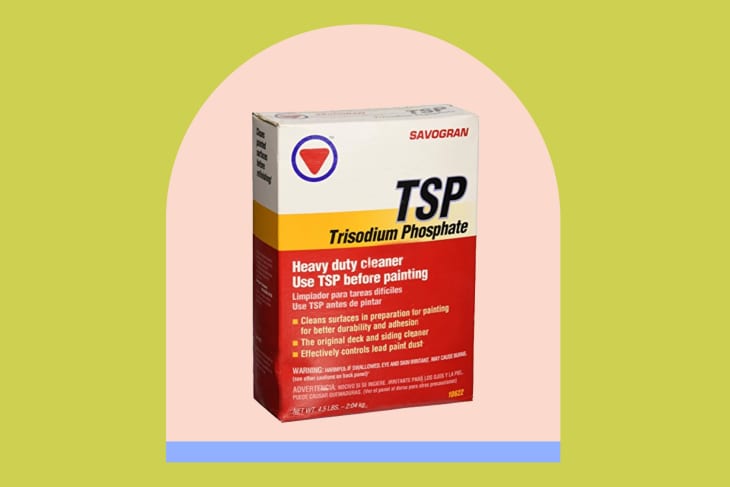
When a surface is so dirty that even a lengthy scrub session hasn’t made a difference, it might be time to turn to a powerful cleaning agent known as trisodium phosphate. That is, of course, if it’s not banned in your area.
Why discuss a potentially banned substance? Well, because it’s that effective in cleaning stupendously dirty surfaces, like sooty brick fireplaces, moldy vinyl siding, and stained concrete. And there is a way of using it safely. Keep reading to learn more about this controversial cleaning agent.
What Is Trisodium Phosphate (TSP)?
TSP is an odorless powder of 75% trisodium phosphate and 25% sodium carbonate. When a small amount is diluted in hot water, it creates a strong cleaning solution that can remove dirt, grease, and even soot from surfaces. If you’re cleaning a brick fireplace, restaining cabinets, or painting walls in a household, TSP or a TSP-like substance might have been recommended to clean and prep those surfaces for a new finish.
The U.S. Food and Drug Administration has approved TSP as an ingredient in toothpaste and an additive to processed foods like breakfast cereal. Yet since 2010, TSP has been banned in certain areas because phosphate runoff harms vegetation and pollutes rivers and other waterways.
Suffice it to say, if you decide to clean with TSP, be cautious.
How to Clean with TSP
When using TSP, read the instructions carefully to ensure you use the proper amount for cleaning purposes. Always do a spot test before committing to an entire surface to avoid discoloration or damage.
Step 1: Prep for safety.
Ventilate the area you’re working in. Cover anything you’re not cleaning with a plastic sheet. Most importantly, wear eye goggles, a mask, and chemical-resistant gloves. Putting on a long-sleeve shirt and pants is highly advisable.
Step 2: Mix the solution.
The ratio is typically 1/2 cup of TSP to two gallons of hot water. If you’re using it for lighter cleaning, you can reduce it to 1/4 cup, but still dilute it in two gallons. Make sure the water is hot, otherwise the powder won’t dissolve (this is where the gloves also come in handy so you don’t burn yourself).
Step 3: Dampen a sponge.
Submerge a sponge in the solution and wring it out. You want it damp, not wet, so you don’t drip the TSP anywhere you don’t want it to be.
Step 4: Clean.
Start scrubbing from the bottom of the surface and move upward. Dip and wring out the sponge as needed.
Step 5: Wipe or rinse.
Once you’ve cleaned the surface, rinse or wipe it down with cold water. Soak a clean sponge in cold water and swipe it over the surface; otherwise, the TSP can leave a white film.

What Can You Clean with TSP?
TSP is often used as part of the prep work for cleaning walls and other surfaces for a fresh coat of paint or stain. But a brief look at some online reviews touting its effectiveness hints at TSP’s other uses, including the following:
- Restoring wood furniture covered in soot after a fire
- Cleaning dog “business” from brick surfaces
- Power washing a home’s siding
- Cleaning windows and roof shingles
- Sanitizing hot tub filters
- Removing adhesive from wallpaper
- Getting ink out of carpet
- Stripping smoke stains from walls
- Erasing grease stains from driveways, grills, and even some fabrics
Should You Clean with TSP?
Again, spot tests in inconspicuous places are always encouraged when using strong cleaners, but it’s mandatory when using TSP. That said, there are a few surfaces that should never be touched by TSP.
- Glass and tile — TSP’s acidic nature will etch the surface and destroy the grout.
- Hardwood — TSP will darken the wood.
- Shiny surfaces — TSP can strip paint from a wall, so it will turn glossy surfaces matte.
Is TSP Safe to Use?
Make no mistake: TSP is some strong stuff. But if you take the proper precautions and work in a ventilated area — just as you would do with other cleaning products — then you’ll find it will make a dirty job finish more quickly.
But if TSP is too strong for your liking, know that there are some heavy-duty commercial cleaners billed as TSP substitutes. One is Krud Cutter, and the other is Simple Green. The latter is non-toxic and deemed a Safer Choice by the EPA, and you might decide it’s the safer choice for your household.