
6 Things You Should Never Store in Your Garage, According to Pros
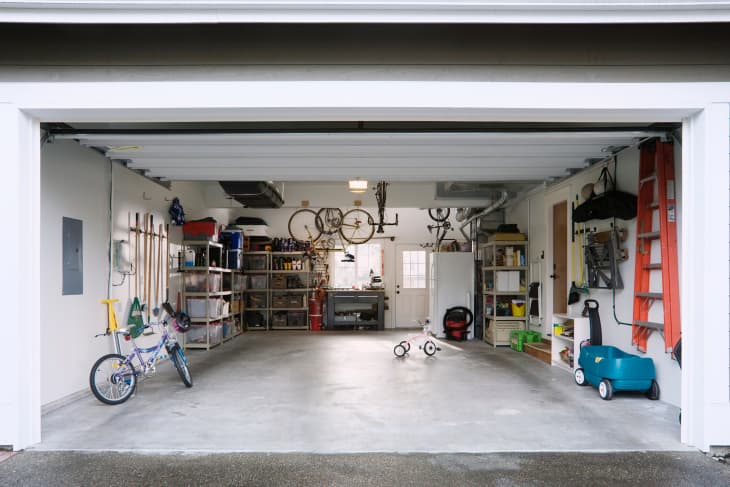
From holiday decorations to bulk packages of paper towels and toilet paper, a garage is essentially the place where you throw the things you don’t want to look at inside your home. For most people, though, this space is typically not air conditioned or climate controlled. And with rising temperatures across the U.S., this summer could be one of the hottest yet for your home — and your stuff stowed in the garage.
So if you’re looking to whip your garage into shape as part of your big spring clean, I got you. Sure, it’s important that you’re organizing the space in a functional and logical way. But more than that, it’s essential to consider what you’re storing in the space — and if those items could be damaged or cause harm to you and your family because of where you’re keeping them. To help you audit your garage like a pro, I tapped a few home organizational experts for a complete checklist of items you should never keep stored in your garage.

6 Things to Never Store in Your Garage
1. Flammable Items
Sarah Schier, professional organizer and owner of Beautiful Life Creative Organizing in Los Angeles, says she’s constantly spotting three dangerous items left in clients’ garages. “Paint, propane, and paper goods are the big three I always flag,” Schier says. “Paint and propane don’t play well with heat (or each other), and paper goods, like toilet paper or cardboard boxes, can attract pests. Anything flammable or perishable is a hard no in a space that isn’t climate controlled.”
2. Food Items
You might think shelf-stable canned goods like soups, veggies, or even dog kibble will be safe in your garage, considering the seals — but experts insist this is a big no-no. Andy Wu, founder of Backyard Oasis, says he learned the hard way that canned goods shouldn’t be kept in the garage. “I kept canned soup in my garage for space reasons, but it quite literally exploded when it was cold,” he says. “Food is easy for pests to get to, so it must be inside to keep pests and extreme temperatures out.” Additionally, Wu notes that wine and snacks should never be kept in the garage either, even if you got a mega deal on your favorite chips from Costco.
Tracy McCubbin, the founder and CEO of the decluttering service dClutterfly, agrees. She adds that you should also remove extra beverages or sodas that are stored in the garage. “The temperature change can affect taste, carbonation, and safety,” she says.
3. Sentimental Items
“I am amazed at how many families keep priceless family heirlooms and photo albums in their garages,” says Gerrit Jan Reinders, founder and CEO of Boxie24 Storage. “These sentimental treasures are extremely sensitive to moisture, temperature fluctuations, and insects — all of which are pretty typical in most garages.”
Reinders has seen dozens of cases where family photos were ruined due to floods, unexpected temperature changes, or even fires. “Your family history shouldn’t coexist in the same environment as your garden tools,” he says. McCubbin adds that family photos should always be stored in an acid-free box in a dark, cool area (like a closet) within the home.
4. Pool Chemicals
If you have a pool, you might think keeping the pool chemicals in your garage will make it easier to move them back and forth to your backyard. But Jeremy Yamaguchi, CEO of Cabana Pools, says stashing them there should always be avoided for health reasons.
The concern? Chlorine is an oxidizer, meaning it can cause rust and other issues in surrounding items. Plus, storing chemicals in an enclosed, hot area can cause toxic fumes to build up and linger in your garage.
To avoid any issues, always store pool chemicals in a locked area — away from pets and kids — that’s elevated off of the floor, so they won’t come into contact with water (which can release toxic gases or be combustive at the wrong levels). A secondary storage shed or area with adequate ventilation that’s far away from household items and valuables is your best bet.
5. Outerwear and Footwear
Stashing items like jackets and shoes in the garage may seem like a no-brainer for a zone where you’re often coming and going, but Robin Aebischer, a pro organizer and the CEO of BuyNBlue, says this often turns into clutter that can actually slow you down in the long run.
Another thing to consider? Unexpected temperatures and rainstorms. If you switch your outerwear and shoes seasonally, you may end up needing something that’s already packed away. “Instead, create a dedicated storage space near the front door, like a mudroom closet or even stylish storage benches,” Aebischer says. “That will help you keep your gear readily available when the weather turns.”
6. Endless Stacked Boxes
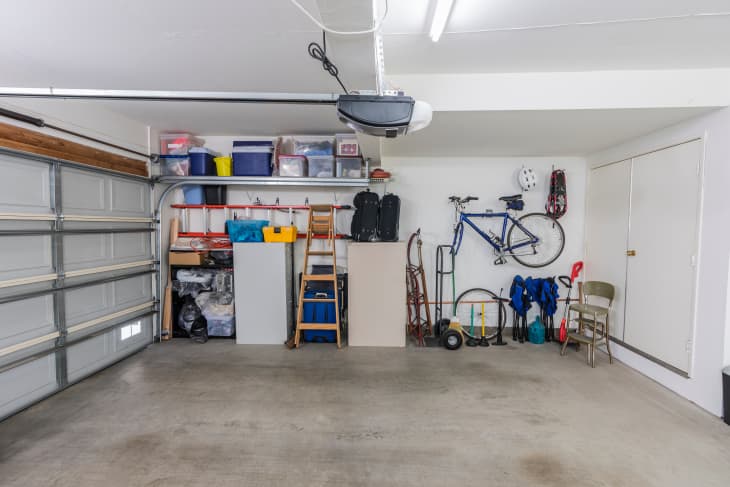
The best thing about storing items in a garage is that you can use vertical space, Schier says. So to avoid potential tripping and fire hazards, the pros agree that you should work those walls for your items — rather than allowing stacks of boxes to take over a garage’s floor space.
“People pile stuff on the floor until it becomes a safety hazard, but forget they have walls,” she adds. “Pegboards, shelves, and ceiling-mounted racks can all be game-changers.”
When to Get Rid of Other Items You’ve Been Storing
Most home organizers agree: If you haven’t touched something or used it within a year, it’s probably time to get rid of it. “I think one of the largest issues I see is ‘someday’ syndrome,” Aebischer says. “The garage is transformed into a holding cell for objects that will somehow be fixed someday, recycled someday, or passed on someday. This results in a stockpile of malfunctioning gear, outdated furniture, and boxes full of miscellaneous items that are never seen again.” The upshot? Get rid of or donate what you’re not using sooner than later.