
I Asked 3 Designers What’s The Worst Color to Paint a Bedroom, and They All Said the Same Thing
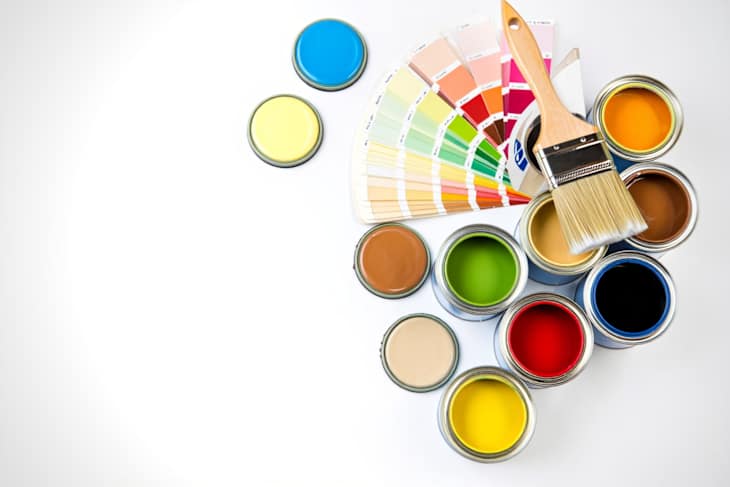
There might be no place like home, but nowhere can beat the comfort of your bedroom. Unlike most spaces — which are designed with others like kids, guests, and pets in mind — your bedroom is just for you. It’s where you go to unwind from after a busy day and just …well, be. Though a beautiful bedroom is subjective, there are a few cardinal rules every style-savvy homeowner should follow. For example, there should always be a dresser, nightstand (even if it’s a small one), and bed frame. The decor should conjure a serene oasis, and what better way to do so than with a fresh coat of paint?
Blue hues, green shades, and neutrals might be classic bedroom colors, but are there any shades that are totally off-limits in the bedroom? We asked a few designers and the verdict is in.


Red Is the Worst Color to Paint a Bedroom, According to Designers
“[It’s] highly stimulating and associated with energy and alertness,” explains Jessica Cinnamon, an interior designer based in Toronto. “This room is meant for winding down, so red can also feel aggressive or overwhelming in a large dose.”
Dallas designer Lauren Saab agrees, calling red an “assertive color” that “overwhelms” and “dominates.” And while the fiery shade doesn’t exactly create a blissful background, California-based designer Marcia Bryan claims it can actually do a number on your bedtime routine. “Red can disrupt your sleep patterns [and] increase your heart rate and blood pressure, which is the opposite of a restful restorative sleep experience,” the southern California designer explains.
She has a point. According to color psychology, red is associated with love, passion, and energy, but it’s also linked with danger and aggression. Since the bedroom is where you should relax and dream, it’s the very last place where you should feel agitated or aggressive. Talk about a living nightmare!

Good Bedroom Paint Color Choices
A less vivid shade like a burgundy or muted ruby may feel cozy, Saab says, but it’ll still shift the energy of a room. “You can try to quiet red, but it always wants to speak louder,” Saab says. “A bedroom does not need noise. It needs softness and serenity.”
Instead, try incorporating red in smaller doses. Bryan says accent pillows, artwork, or a floral bedspread are great places to start. Just the right amount of pigment can pack on the drama without feeling disruptive. And, if you need any pointers, check out our guide to TikTok’s “unexpected red” theory.
What are some better alternatives to red in a bedroom? Bryan says terracotta is “a good bet to create a sense of a calm and timeless bedroom.”
Subtler shades also do work well in the bedroom, but don’t feel like you have to settle for a simple white. Saab is a big fan of “grounded neutrals” like mushroom, putty, soft caramel, and warm stone. “These colors offer warmth without the noise,” she notes. “They are rich, but still restful.” Rich in impact, but restful on the eye? Sweet dreams are made of these.
Can I Use Red in Other Rooms?
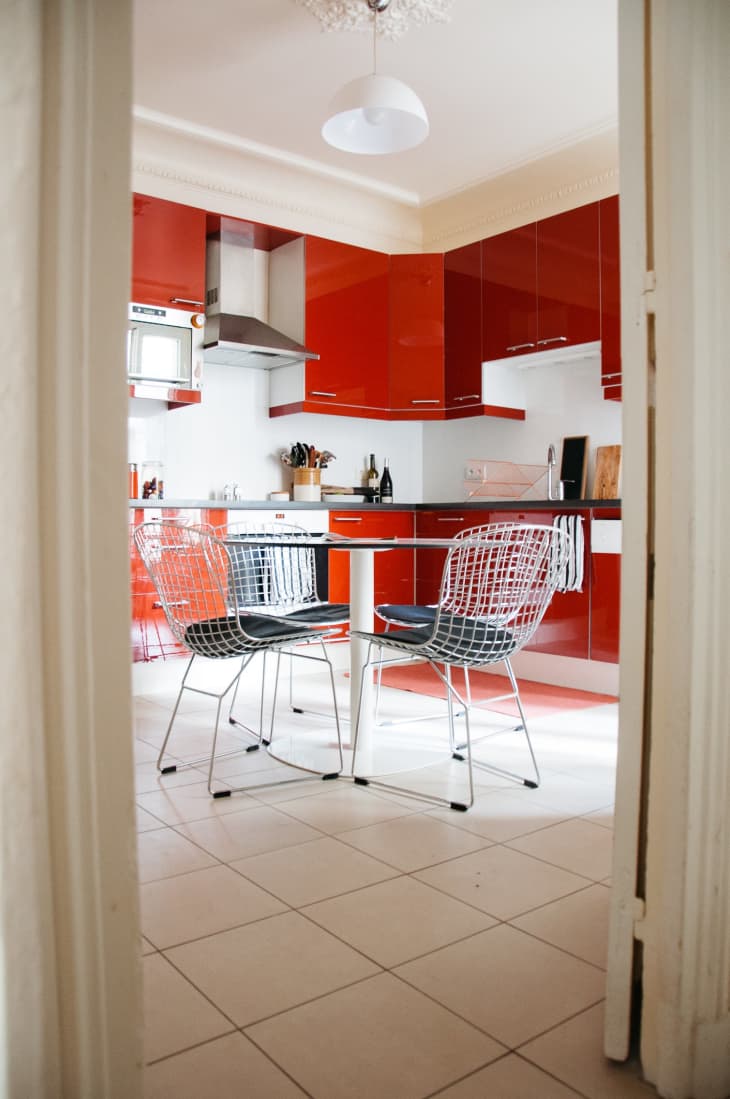
Red might not work as the main character of your bedroom, but it can work in other rooms. “Use it effectively in powder rooms, where lacquered walls or rich tile can create a moody, jewel box effect,” Saab recommends.
Alternatively, you can add a tomato or fire engine shade to a kitchen or dining room. “[Red] stimulates the appetite, so [a dining space] would be a great place to feature this energizing color,” Bryan says. Regardless of the room, the power shade needs to be used with intention, balance, and a strong point of view. “Red does not just add color,” explains Saab. “It becomes the architecture.”
Design Defined
Never miss the style inspo and recommendations you crave with Design Defined. Follow along each week as our Home Director Danielle shares the best style advice, latest trends, and popular decor finds you just can't miss.