
5 Styles That Will Dominate Home Decor in 2026, According to Experts
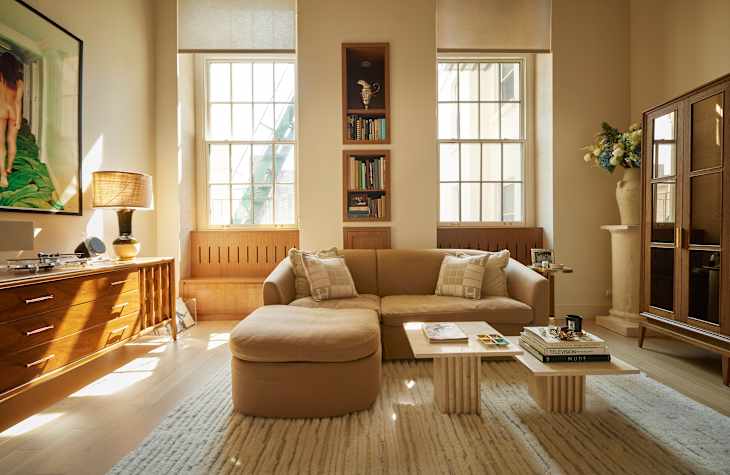
As a design writer and enthusiast, I like to stay up to date on trending home decor styles as much as possible, and keep them in mind when I refresh my own home’s interiors. While my personal taste is, of course, my own blend of styles, I like to pull from trends and from what interior designers think is going to be popular.
If you’re at all like me, then the new year brings with it the anticipation of new decor styles and trends. So as we near the end of 2025, I reached out to a few top interior designers and insiders to find out what styles they think will be everywhere in 2026. Here’s what they had to say.

Warm Minimalism
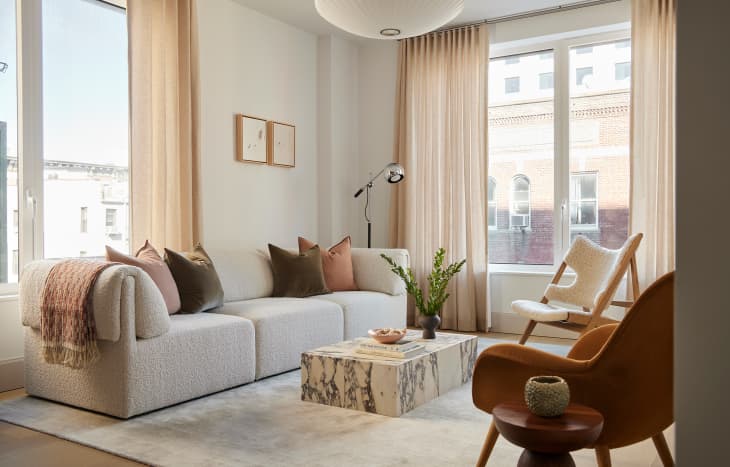
According to the experts, Warm Minimalism is going to be huge next year. “Warm Minimalism embodies neutral, organic color palettes, light oak flooring, and limewash walls, thoughtfully layered with earthy textures that add depth and warmth,” estates agent Alicia Rivett explains.
While this trend’s been around for a while — we first covered it back in 2020 and later named it one of our top trends for Small/Cool 2021 — some experts are saying it might hit peak popularity in 2026, with cozy vibes and earthy tones making a major comeback right now.
Natasha Jain, cofounder of Bent Collective, says: “We’re seeing a shift, from minimalism that once felt cold and distant to one that feels lived-in, layered, and warm. Warm Minimalism is less about empty corners and more about meaningful details such as the gentle shine of brass, the grain of natural wood, or a candle flickering against a textured wall.”

Energetic Minimalism
Some designers point to yet another offshoot of minimalist style taking over this year, called Energetic Minimalism. While somewhat abstract, this aesthetic is really just defined by fewer elements, but with an emphasis on decorating with intentional meaning, narrative, and resonance.
“Energetic Minimalism is not just about clean lines but about intentional flow. We’re entering an era where design isn’t only aesthetic but vibrational,” real estate developer Umair Kabani mentions. “Homeowners are designing spaces like producers design shows or movie sets: curating light, energy, and story. Every object earns its place because it supports how you want to feel.”

Organic Luxe
Designers are also loving interiors that combine opulence with Zen-like serenity for 2026. This design style, known as Organic Luxe, is earthy yet sophisticated.
Ethan Greenfeld, founder and principal designer at Ethan Charles Design, elaborates: “Organic Luxe is all about natural materials, warm colors, and that quiet luxury aesthetic. I think we’ll see a push toward a more holistic approach to interiors, from both a material standpoint and [from] a color and aesthetic standpoint. The goal is to create spaces that feel effortlessly luxurious and connected to nature.”
Modern Rustic
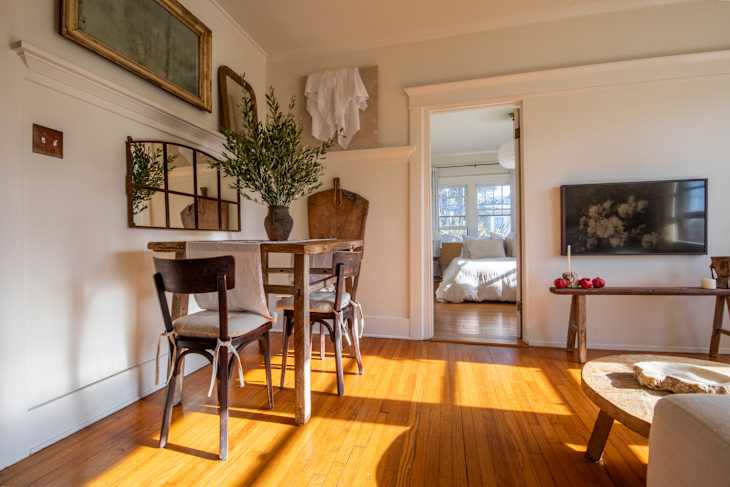
Modern Rustic is another popular new design style, which marries elements from modern interiors and a rustic design style to craft a welcoming and chic setting.
“The Modern Rustic style captures the best of both worlds: the comfort and clarity of modern design intertwined with the earthiness of natural materials,” concludes Sheffalie Jhaveri, principal designer at Rutam IntArch. “Think sleek, contemporary furniture enveloped by the tactile warmth of rough-hewn wood, raw stone, and rich veneers.”
Timeless and Sustainable
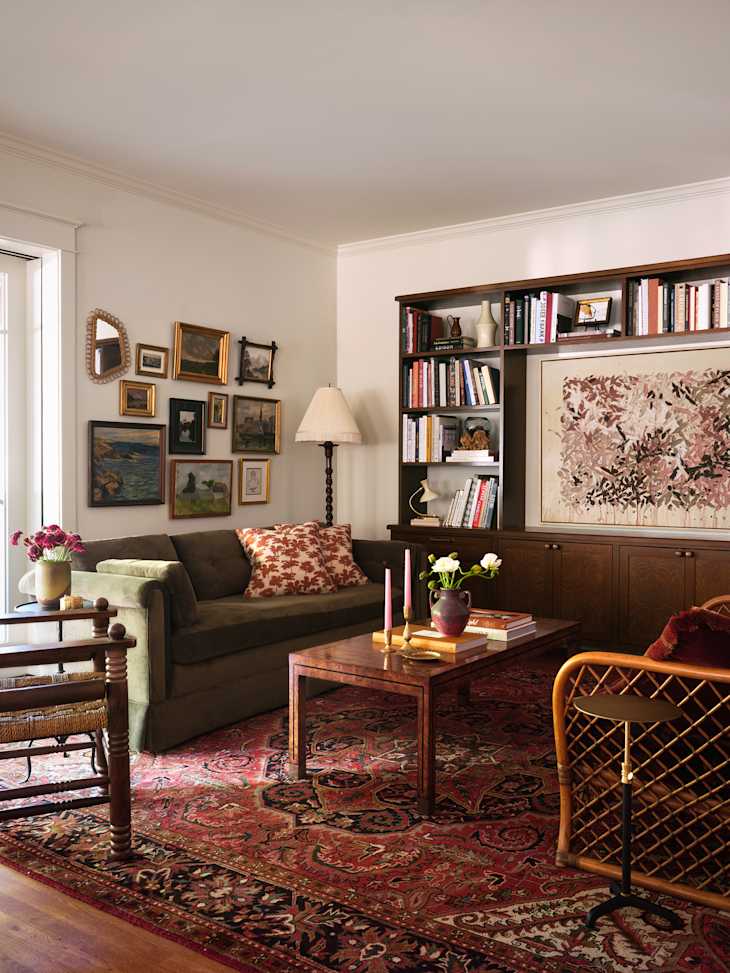
But beyond any one aesthetic, designers are seeing a push across the board for thoughtfully conceptualized spaces that will always feel new and fresh. “I have noticed a shift in people wanting spaces that aren’t trendy. They want something sustainable. They want a space that feels held in time, and they don’t want to keep re-creating,” remarks Donen Kemnitz of Favorite Design Co.
“The way we achieve this is by using materials that have been used in design for years and years,” Kemnitz explains. “It involves sticking to a design style that never goes out of style.”