
7 Trends to Say Goodbye to in 2025, According to Designers (and What to Try Instead)
Decorating is all about surrounding yourself with what makes you happy. But let’s be honest, sometimes even trends have a habit of sneaking into the mix and influencing your design decisions. And while those trends might spark joy at first, after a while, they can start to feel a little overplayed. With 2025 around the corner, designers are ready to welcome a new wave of styles and decorating ideas (honestly, same!).
While I’m not typically one to follow rigid “in” and “out” rules, I love keeping an eye on the design landscape and hearing what trends are catching (or losing) designer’s attention. So, which design trends have run their course? I asked a handful of experts what they’re saying goodbye to and what looks they’re embracing instead. Of course, you should always decorate exactly however you want, so there’s no need to totally swap out everything for the sake of trends (unless you absolutely want to!). But if you’re looking to zhuzh up your space a bit in the upcoming year, this list could be a good place to start.

Cold Neutrals
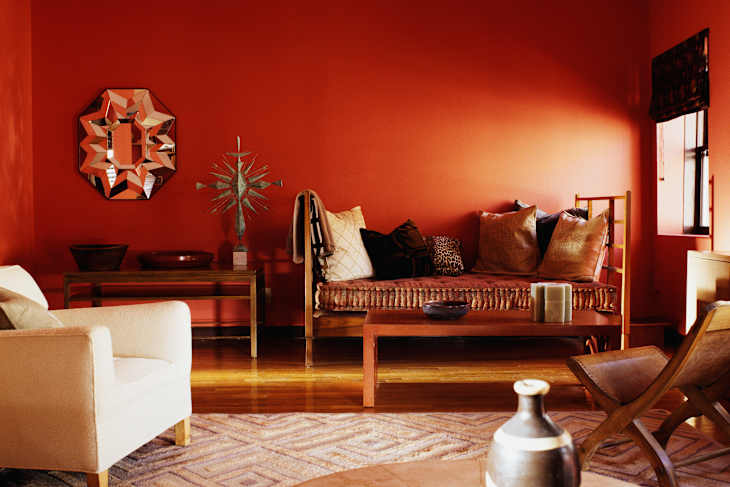
There’s neutral territory (white, beige, taupe, etc.), and then there’s gray. While gray is technically a neutral, it can sometimes feel sterile or “too corporate,” as designer Nitya Seth of Nityanamya puts it. “Gray has been ruling the roost for probably about five to seven years now, and it seems somewhat washed up,” Seth explains. Instead of opting for gray furniture or wall colors, she recommends choosing colors that are easier to warm up to, like terra-cotta or green. These earth tones create a sense of calm and relaxation, which is exactly how a home should feel.
According to Virginia-based designer Bob Berriz, more homeowners are also swapping their all-white kitchens with bold and vibrant colors, which will likely continue into the next year. “We’re seeing a shift away from overly sterile kitchen designs,” he explains. “Integrating colorful cabinetry can bring personality into a kitchen, replacing the sterile look with warmth and individuality.” Feeling extra daring? Try a heathered plum paint color — 45% of interior designers surveyed in Apartment Therapy’s annual design survey called this the color for 2025.

Stone Vanities
Natural stone-topped vanities have been having a moment, but when it comes to small spaces like bathrooms, designer Diana Farberov of Artemuse Designs says 2025 will call for more creative, budget-friendly solutions — like using tile as an alternative to stone. “Stone vanities are showstoppers, but the custom shapes and natural materials can be expensive,” she says.
Farberov suggests checking your at-home inventory for any leftover tile — or sourcing something fresh — for your next vanity project. “You can create a lovely vanity while cutting back on the cost you’d be spending on stone,” she adds. Plus, opting for tile gives you the flexibility to mix color and patterns, and what’s better than a bold bathroom moment?

Sleeper Sofas
Sure, sleeper sofas serve a purpose. But when it comes to double-duty furniture, more modern (and stylish) solutions that achieve the same functionality are available. Case in point? Modern Murphy beds. While Murphy beds are no strangers to guest bedrooms, Farberov says she noticed a surge in clients requesting them specifically over sleeper sofas, “which have had a chokehold on the multifunctional room concept for several years.” She credits their popularity to their seamless design, opening up floor space in the home and allowing maximum comfort for guests.

Open Shelving
Open shelving continues to be a controversial topic in kitchens. I’ll admit, as someone who has this trend at home, it does get dusty, which can make this design choice less desirable. “Open shelving is difficult, even though it looks amazing on Instagram,” Seth agrees. “They need to be cleaned up to appear neat.”
If you lack the space for cabinetry in your kitchen, look for smaller shelving units with doors to give yourself a more cohesive look (and bonus: hidden storage). “We are seeing an emergence toward the closed style and clean and simple looks of cabinetry,” Seth adds. “They minimize clutter and provide as much storage as desired without the need to maintain the appearance of cleanliness all the time.”

2000s-Inspired Accent Walls
Accent walls have been the go-to for adding personality and pops of color to a room, but interior designer Darren D. at ElmWood Flooring says single-colored accent walls are beginning to feel “predictable and uninspired.”
To bring new life to this idea, Darren recommends adding texture to the wall. “Replace painted accents with textured options like wood paneling, stone cladding, or even custom tile installations,” he says. “These add depth, sophistication, and tactile quality to your interiors.”
If you feel more comfortable sticking to paint, you can still pull off a textured look with limewash paint or Roman clay. Whichever finish or material you choose, know that adding a tactile component will make the whole room feel layered and cohesive.

More Formal Fabrics
Velvet is a luxurious, timeless material that adds sophistication to any space. Heading into the new year, though, Farberov suspects people will shift from selecting a fabric with this level of elegance to something more cozy and comforting, like corduroy.
“Corduroy is equally as soft and durable but has an added texture that feels like a safe spot for anyone looking to add pattern to their home subtly,” Farberov adds. The ridges of corduroy make it seem more casual, while still providing a versatile look and feel. You can use this for soft seating and a cozy upholstered lounge experience, or snag pillows in this fabric to layer on top of your existing furniture.

Builder-Grade Lighting
If I’m taking anything away from these recommendations, it’s designers are eager to say goodbye to traditional or “safe” decorative choices. And it feels incredibly fitting that run-of-the-mill lighting is included on that list.
Rather than sticking with the standard lighting that came with your home, consider bringing in fixtures with more personality — something that speaks to you and your design style. Or, as Farberov says, “let light fixtures become works of art in your home!” Traditional lighting, like the infamous ceiling boob light or dull wall sconces, can be traded for designs in more unique shapes, even in rentals. Rice paper Noguchi-style shades are Farberov’s favorite way to blend a timeless fixture with something that adds a whole lot of visual interest. “If a Noguchi lamp is out of budget, there are other great dupes to test the concept,” she adds.
