
How to Do Laundry: A Beginner-Friendly Guide and Tips to Follow

Much like washing the dishes, doing laundry is one of those household tasks you can’t put off for too long. Whether you’re living on your own for the first time or just want a smoother routine, having a reliable system makes laundry day feel far less overwhelming.
While laundry may not be everyone’s favorite chore, it can be satisfying — especially when you know you’re doing it correctly. I reached out to Clorox’s in-house scientist and cleaning expert Mary Gagliardi (also known as Dr. Laundry), for her invaluable tips on how to do your laundry, plus some advice and steps from yours truly so laundry day never has to feel like a dreaded chore.
1. Separate Your Laundry
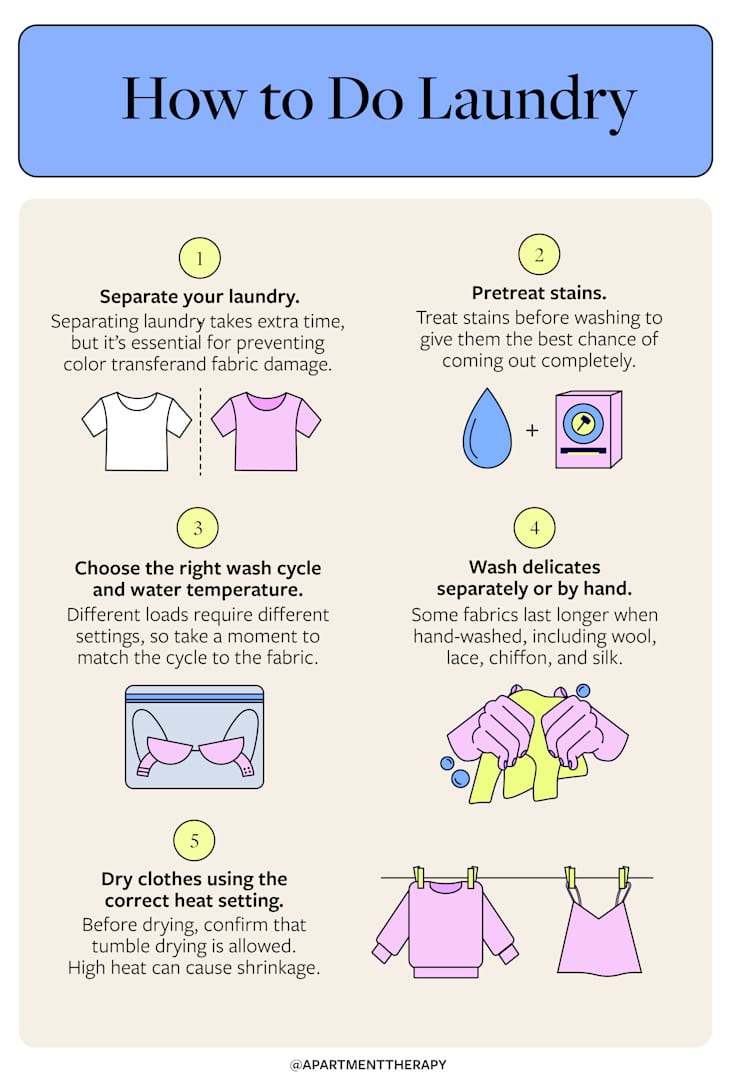
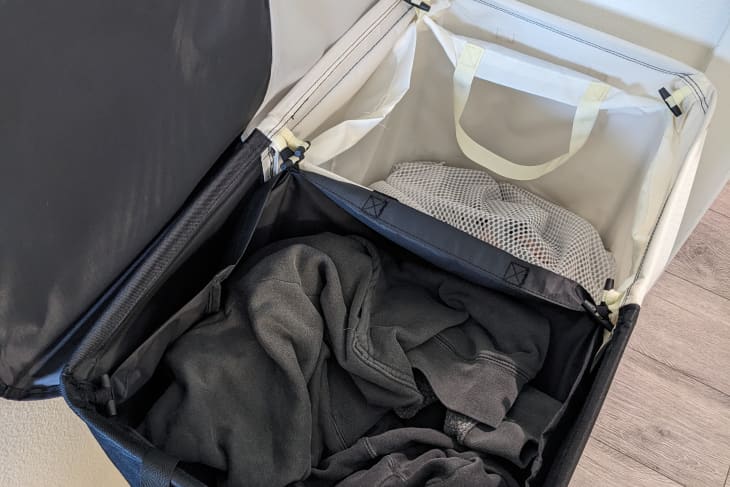
Separating laundry takes extra time, but it’s essential for preventing color transfer and fabric damage. “You don’t want your whites turning dingy gray over time, or suddenly have a lot of pink laundry after adding a red item to the wrong load,” Gagliardi says. She also notes that bleach-safe whites (like cotton or polyester) should be washed separately from white items containing spandex, which can’t be bleached. Sort laundry into these categories:
- Whites
- Colors
- Socks and small items
- Bedding and linens
- Towels
- Kitchen textiles (dish towels, cloth napkins, placemats)
- Cleaning textiles (rags, microfiber mop pads)
- Delicates and hand-wash items (bras, lace, silk, wool)
Before washing, check all pockets for loose items like receipts or coins, and avoid overfilling the washer so clothes can move freely.
2. Check Care Labels Before Washing
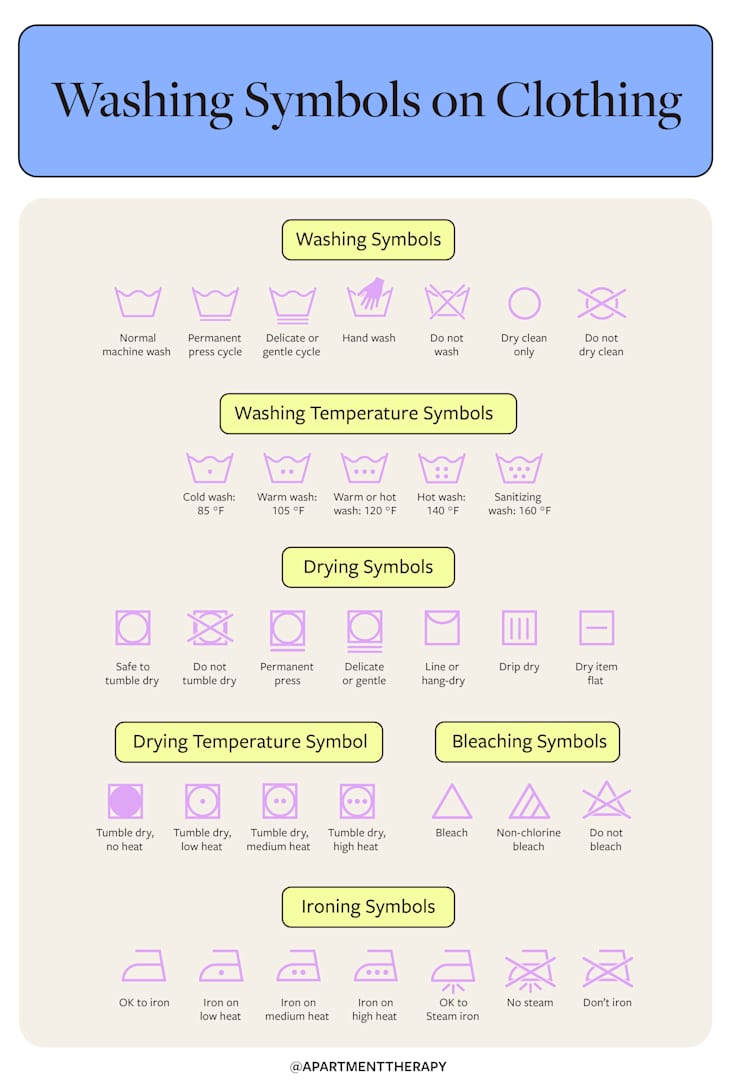
Care labels are your best guide for avoiding shrinkage, fading, or damage. “The best time to check a care label is at the point of purchase — then you know what’s allowed or not, especially if you want to avoid certain items like dry clean only,” Gagliardi says. She also recommends checking both tags, since fiber content and washing instructions may be listed in different places. Understanding these instructions helps you choose the right cycle and temperature in later steps.
3. Pretreat Stains
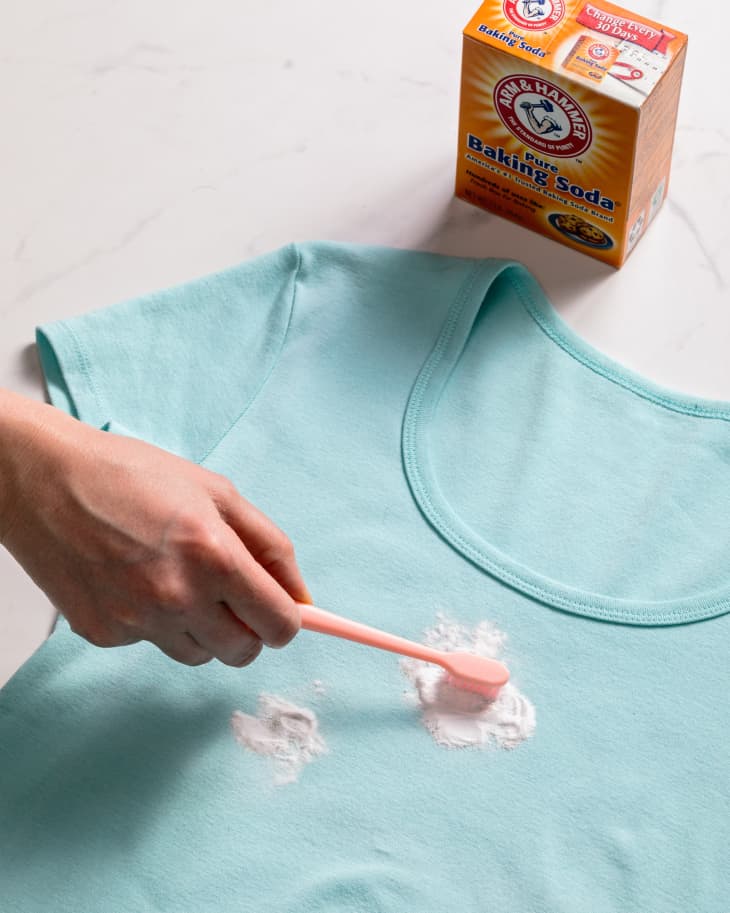
Treat stains before washing to give them the best chance of coming out completely. You can pretreat stains by soaking items in water, applying a stain remover and letting it sit, or gently rubbing a baking soda and water paste into the stain. “Pretreat stains and any small white areas like logos or embroidery on dark items with a stain remover before washing,” Gagliardi says. This helps prevent light areas from becoming dingy over time.
I personally love the OxiClean Stain Remover for tough stains such as oil and grease. If you’d rather opt for a natural stain remover, Nellie’s Wow Stick is gentle on your hands yet effective on light to moderate stains.
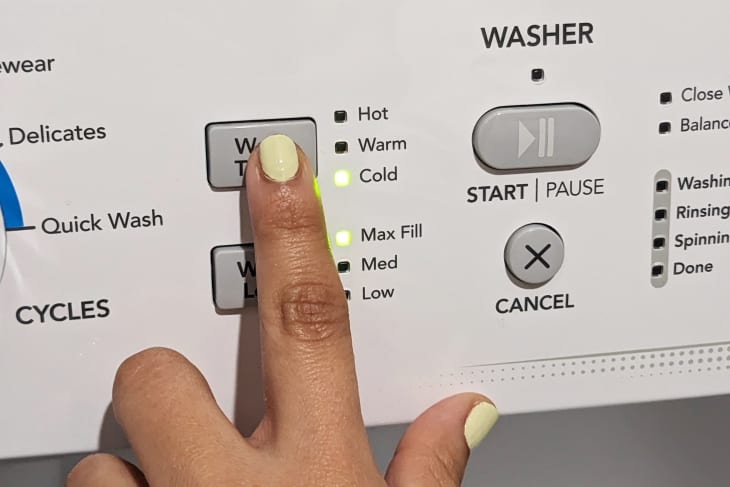
4. Choose the Right Wash Cycle and Water Temperature
Different loads require different settings, so take a moment to match the cycle to the fabric. Common wash cycles include:
- Normal: Most everyday clothing
- Heavy duty: Heavily soiled items
- Delicate: Lingerie and fragile fabrics
- Bulky/bedding: Sheets, towels, and comforters
- Quick wash: Small, lightly soiled loads
Cold water works well for most clothing, while hot water is best reserved for cleaning rags, pet items, and heavily soiled loads. Avoid overloading the washer, which can prevent clothes from circulating properly. “Clothing still needs to tumble in and out of the wash water freely,” Gagliardi says, noting that even high-efficiency washers shouldn’t be packed too full.
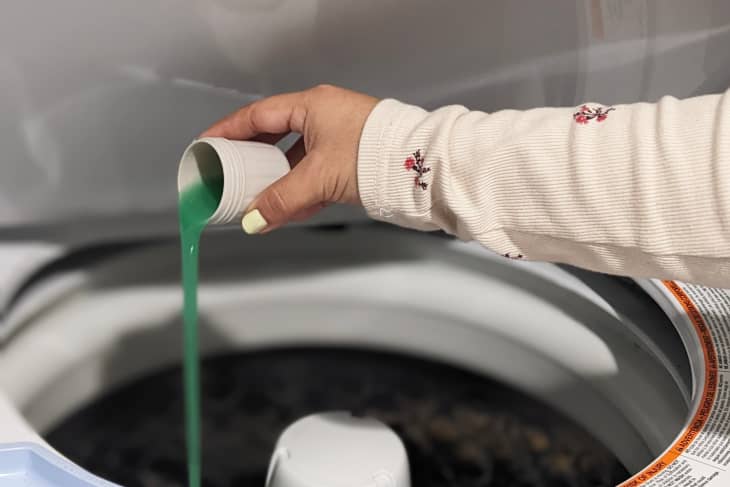
5. Use the Right Laundry Products
Detergent is the most important product you’ll use, but the format you choose comes down to preference. Liquid, powder, pods, and laundry sheets all work when used correctly. Be sure to choose HE detergent if you have a high-efficiency machine.
Fabric softener and dryer sheets are optional. Gagliardi notes that towels and athletic wear typically shouldn’t be washed with fabric softener, since it can reduce absorbency and moisture-wicking. “Dryer sheets can work to reduce static cling, so they may not be needed in more humid climates,” she says. Wool dryer balls are a popular alternative.
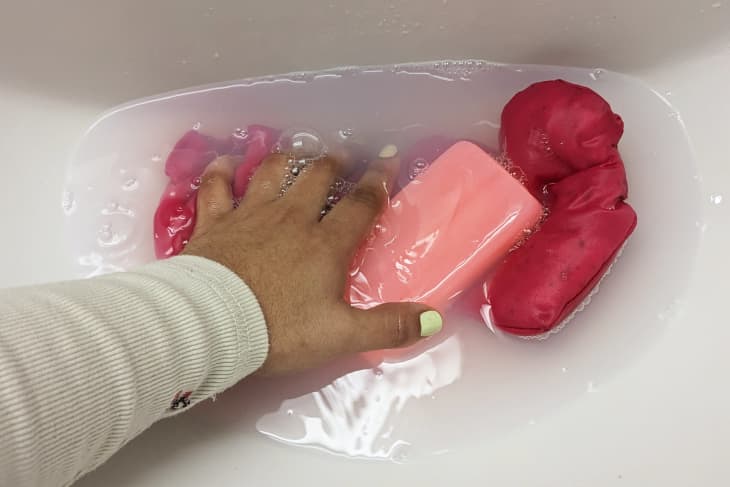
6. Wash Delicates Separately or by Hand
Some fabrics last longer when hand-washed, including wool, lace, chiffon, and silk. Check care labels, pretreat stains, and wash delicates in a clean sink or basin with warm water and a small amount of gentle detergent (such as Woolite or Zote Soap). Gently agitate items by hand, let them soak briefly, then rinse with clean water. Press out excess moisture without wringing (I usually press whatever piece of clothing I’m hand washing against the sides of the sink or tub to avoid wrinkling) and lay flat or hang to dry to maintain their shape.
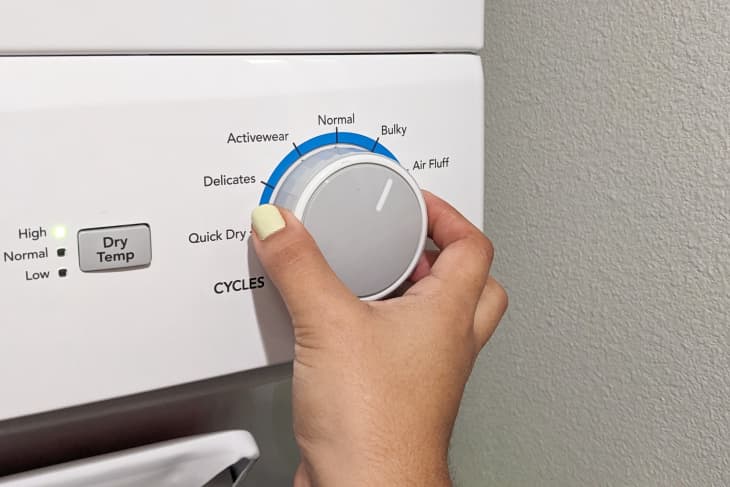
7. Dry Clothes Using the Correct Heat Setting
Before drying, confirm that tumble drying is allowed by checking the care label. High heat can cause shrinkage, especially for cotton. “Newer dryers can measure the moisture content of the load as it dries, and adjust dryer temperature and drying time accordingly,” Gagliardi says. If you have an older dryer, start with a shorter drying time and increase as needed. Always clean the lint filter before every load to improve efficiency and safety.
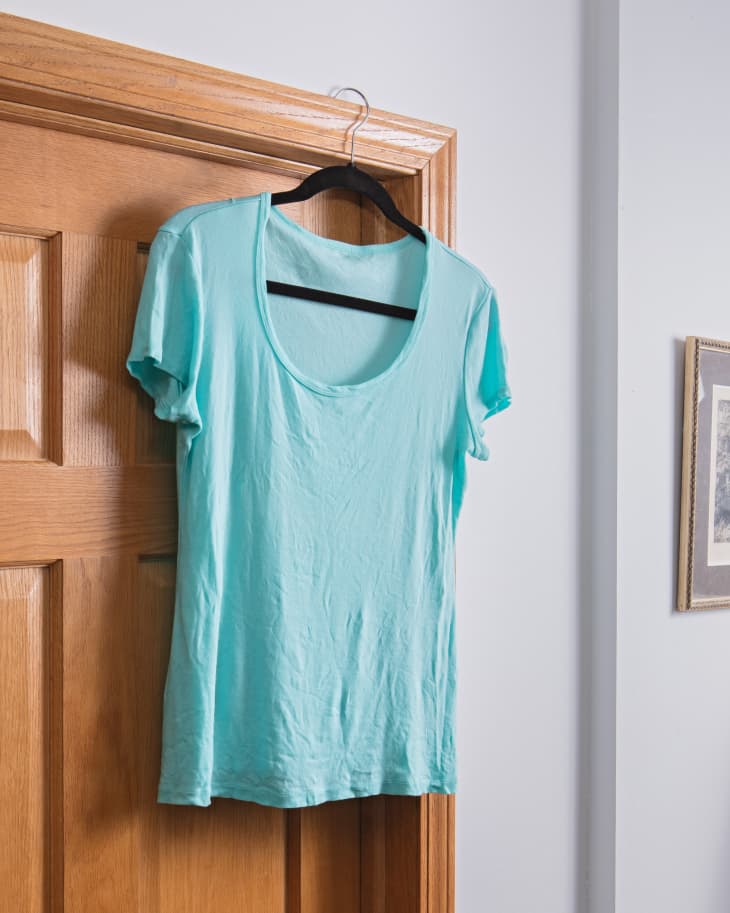
Air-drying clothes when possible also helps preserve fabric quality and reduce shrinkage. “Warmer water temperatures clean better but also can contribute to shrinkage,” Gagliardi says. “Air drying instead of tumble drying can offset this.”
8. Finish the Load and Maintain Your Machines
To keep appliances running smoothly, clean your washer regularly with a washing machine cleaner (I use a packet of OxiClean Washing Machine Cleaner once every three months to freshen up my washer), wipe down the exterior of both machines, and always clean the lint filter before and/or after every load to improve efficiency and safety.
With a clear order and a few smart habits, laundry day becomes less of a chore and more of a routine you can actually stick to.