
4 Questions an Appliance Expert Says You Need to Ask Before Switching to Induction
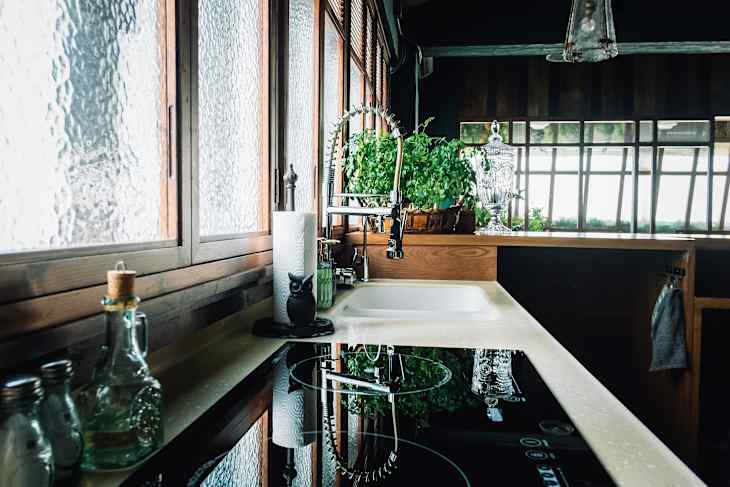
One of the easiest adjustments to living in Paris earlier this year was the switch to induction cooking. I was a little apprehensive after so many years of cooking with gas, and most recently, on a vintage electric coil cooktop. But I snapped a couple photos of the stove in the tiny French studio, got explanations from my AI companion Claude on how to use it, and by day two I swore I’d make the change when I got home.
Induction was so instant! Admittedly, I still don’t totally understand how it works scientifically that the moment you turn the heat down the water stops boiling, but it does. I get it now — all the talk I’ve heard over the years as a food writer from chefs who swear by induction.

I started talking about making the switch to induction once I got back to the U.S., and a friend casually mentioned the electrical upgrades it would require. Wait, what? Apparently, all electric is not the same, and it may be more than a matter of just replacing my existing cooktop with a new one. Of course, I didn’t know what I didn’t know. I turned to an expert to find out what questions you should ask if you’re looking to switch to induction cooking. Wael Kanj, a senior research associate at Rewiring America, gave me the scoop.

4 Questions to Ask Before You Switch to Induction
1. Will My Pots and Pans Work?
Honestly, this one could be a major obstacle for me. “Most stainless steel, cast iron, and ceramic pans with metal embedded will work with induction,” Kanj says. But glass, aluminum, and — most sadly for me and the French Mauviel collection I’ve built over the last 15 years — copper pots and pans won’t work (unless they have an additional metal plate in the bottom).
So, how do you know if yours will make the cut? “Induction cooking works through magnetism,” Kanj explains. “If a magnet doesn’t stick to the bottom of your pot or pan, it’s not likely to work with an induction cooktop.”
Most people probably aren’t in bad shape on that front, though. “Most new cookware is induction-ready so you probably already have some pans that work,” Kanj says. If you need to buy new cookware, you’ll likely be looking at around $100 for a basic induction-compatible set, to several hundred or more for higher-end options.
Opt for an adapter disc: Kanj mentions you can get an adapter to place noncompatible cookware on, but be sure you check with the stove’s manufacturer. Major ones like Wolf explicitly warn against them.
Consider burner size: “When picking a stove you’ll want to make sure that the burner size is large enough to accommodate your favorite larger pots and pans,” Kanj advises. He suggests considering models with “bridge” element options if you use large cookware like pancake griddles.
2. What’s My Current Electrical Situation?
Here’s what really matters. “When considering the switch to induction, you’ll want to make sure your electrical panel is sized correctly to power your new stove,” Kanj says. An electrician can help with this, but you can also do some preliminary research using Rewiring America’s guide on determining your panel size.
There’s a good chance substantial electrical work will be involved: 30-inch cooktops typically require 40-amp circuits, while 36-inch models need 50-amp circuits, and that means dedicated 240-volt wiring, according to Consumer Reports.
“Depending on your setup, you may need to add a circuit and may also need to upgrade your panel,” Kanj explains. Owners of older homes should especially take note: He says about 15% to 20% of installations require electrical panel upgrades, particularly in homes with panels smaller than 100 amps or those built before 1990.
There is, however, another option: Kanj mentions that “newer, retrofit-ready 120-volt induction stove models like those offered by Channing St. Copper or Impulse … don’t require a new circuit and have batteries embedded so they work in a power outage.” I can see this being game-changing for homes where major electrical work isn’t feasible.
3. What Will Installation Really Cost?
The scope of work (and costs!) varies dramatically depending on your home.
- If you’re switching from gas: You’re looking at the most complex scenario. “You’ll likely need a new 240-volt, 40-, or 50-amp circuit, which a licensed electrician can install,” Kanj says. “You’ll also likely need a contractor (like a plumber) to cut and cap the existing fuel line.”
- If you have electric but older wiring: Even if you currently have an electric range, don’t assume you’re good to go to make the switch. Older electric setups may not have the dedicated high-amp circuits that induction requires, so you’ll need to consult your electrician.
Here’s what the electrical work typically costs:
- Basic electrical work: According to HomeGuide, installing a new 240-volt circuit typically runs several hundred dollars, assuming your panel can handle it. And distance matters: Longer runs from your electrical panel to the kitchen will cost more.
- Panel upgrades: HomeAdvisor shows panel upgrades typically cost from $1,000 and up for the upgrade itself, plus the cost of the new circuit. Complete electrical service upgrades can reach into the thousands if your home needs extensive work.
- Additional costs: According to Angi, gas line capping typically runs under $200, while Homewyse estimates drywall repair costs several hundred per repair. Additional costs like reinspection fees may also apply.
All together, this switch can potentially run into the thousands — before you even pay for the actual stove. Is it worth it? Kanj says that making the switch from gas can offer major benefits: “Induction stoves work far better than gas stoves, outperforming the gas stove in every category of consumer testing.”
He notes that “induction stoves send 90% of the heat directly to the pans cooking the food, keeping kitchen temperatures comfortable while cooking. With gas stoves, only 40% of heat makes it to the cookware, leaving the other 60% to heat up the kitchen.” (That could make the difference in wanting to cook this summer or just get carry-out sushi again!). Plus, they’re “a space-saver in smaller kitchens,” says Kanj, since the entire cooktop doesn’t heat up, giving you extra surface area for prep. And from my cooking in Paris experience, it was just … fun! And super easy.
How to Save Money on the Switch to Induction
- Add it to another electric project: If you’re planning other electrification projects, Kanj suggests letting “your electrician know if you’re considering swapping out additional fossil fuel-fired appliances or installing an electric vehicle charger down the line so they can size your system accordingly (and prevent repeated panel upgrades in the future).” Note to my past self when we paid for an EV charger upgrade — just do it all at once!
- There may be rebates: Federal rebates up to $840 for electric cooking appliances are available in some states for qualifying low-to-moderate income households. See if you qualify here.
4. Am I Ready for the Learning Curve?
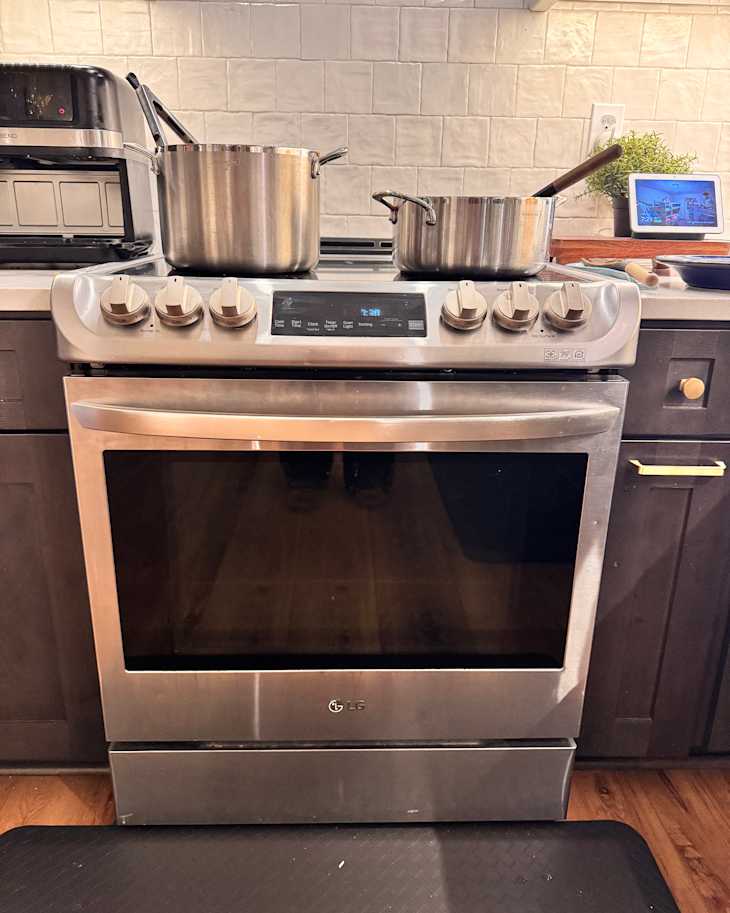
There’s definitely a learning curve, although I certainly found it manageable. Induction cooking is 20% to 40% faster than gas or electric, which means your usual cooking timing goes out the window initially. Kanj points out that “induction stoves heat up two to three times faster than gas and boil water in less than two minutes.”
What to expect: You’ll hear new sounds; think buzzing, clicking, and cooling fans that continue running after you finish cooking. These are all normal! Start with lower power settings than you think you need and adjust up.
Plus, it’s actually a safer cooking method. “Induction stoves offer huge safety benefits since they cook without exposed flames and don’t rely on flammable gas,” Kanj explains. “Only the contact point between the induction surface and the cookware is heated, leaving little likelihood of burns or fires.”
He adds that induction stoves offer “more consistent heat and an even cooking temperature” with precision that gas simply can’t match. For more induction cooking tips, Kanj recommends Michelin-starred chef Amanda Cohen’s insights, which you can watch in a video here.
Are you considering making the switch? Let us know in the comments why or why not below!
This post originally appeared on The Kitchn. See it here: 4 Questions an Appliance Expert Says You Need to Ask Before Switching to Induction