
25 L-Shaped Kitchen Ideas That Are Super Stylish and Ultra Functional
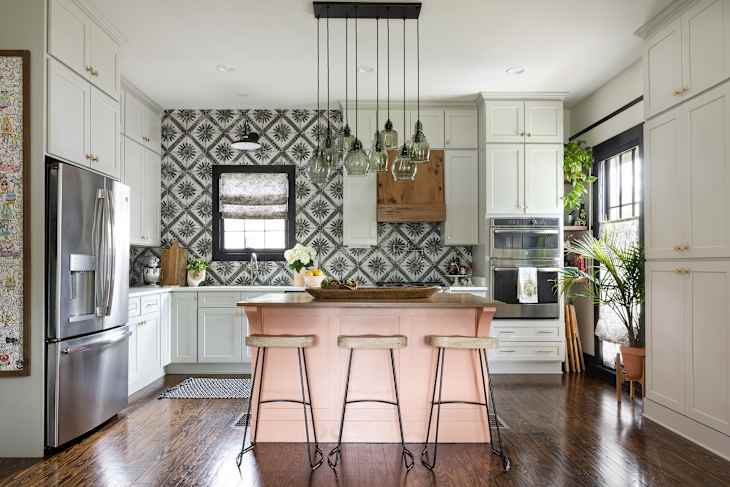
Great kitchen design lies at the intersection of style and functionality. Striking the right balance between the two isn’t always easy, especially when working with a small space or open-concept layout. That’s where L-shaped kitchens shine! This classic layout — defined by two adjoining walls that form an “L” — makes the most of the space while offering a streamlined approach to cooking, prep, and storage.
One of the biggest advantages of an L-shaped kitchen, though, is its adaptability; it can truly work in any space. Depending on the room’s size, the open side of the “L” can remain free for easy circulation or be used to introduce additional features — like a peninsula, a dining area, or even a small breakfast nook.
In larger kitchens, the layout can be paired with an island to create additional counter space and seating. In smaller apartments, an L-shaped design can help the kitchen open up to the rest of the living area, making the space feel bigger and more connected. L-shaped kitchens are time-honored for a reason, and there’s no shortage of ways to make an L-shaped layout work hard for you.
In need of inspiration for your own L-shaped kitchen? We partnered with leading interior designers for smart solutions — plus, a few ideas direct from our very own house tour archives. From clever corner solutions to creative ways to add seating, these L-shaped kitchen ideas prove just how much potential this classic layout really has.

1. Design Two-Toned Cabinetry
Two-toned cabinetry can be a great way to break up a visual field in a compact L-shaped kitchen layout, making the space feel bigger than it is. If you’re looking to brighten up a small, dark space, then painting the upper cabinets white to match the walls is a great move, as demonstrated in this vintage-inspired kitchen renovation by McManus Kitchen and Bath in Tallahassee, Florida.

2. Feature Clean Lines and Silhouettes
When space is limited, clean lines and streamlined silhouettes can go a long way. Just take this chic and contemporary L-shaped kitchen by California-based Molly O Interiors as an example. Flat-front cabinetry and a slab backsplash keep visual noise to a minimum, alongside simple hardware and sleek, modern appliances. The result is a pint-size space that still packs a punch — and maximizes functionality at the same time.

3. Create the “L” with a Peninsula
Sometimes, an L-shaped layout doesn’t work perfectly in an open-concept space (think: a doorway where the two walls should meet). In that case, you can still extend your counter space and create an L-shape by adding a peninsula that divides the kitchen and adjacent living room, as demonstrated in this clever kitchen design by Maryland-based Aidan Design.

4. Add an L-Shaped Island
Are you seeing double? No, but this large kitchen maximizes every square inch with an L-shaped layout and an L-shaped island within its center. The L-shaped island also doubles as a dining area and prep area thanks to its spacious countertop, whereas L-shaped cabinet layouts maximizes storage.

5. Lean on an Oversized Island
Speaking of islands, you don’t need an L-shaped island to add extra seating and dining space. This eat-in island functions just the same on a bit less square footage. The all-white cabinetry in the L-shaped layout contrasts beautifully with the natural wood island, making it the space’s obvious focal point. We’re obsessed!

6. Choose a Moody Cabinet Color
Give your L-shaped kitchen a punch of unexpected drama with a moody cabinet color. This kitchen by McManus Kitchen and Bath features dark blue-green lower cabinets, which help to anchor the space and provide contrast against the white countertops and uppers. The result is crisp, modern, and effortlessly dramatic in the best kind of way.

7. Relocate the Fridge
An L-shaped layout and several wise design choices help maximize every inch of this space designed by Susan Yeley Homes (making it look far bigger than it really is). One of which is the placement of the fridge; by choosing to tuck the refrigerator into adjacent pantry cabinets rather than making it part of the “L” configuration, the homeowners gained extra counter space and ensured there were no dead zones in the room.

8. Double Counter Space
Not all islands need to have seating; if your priority is storage and prep space, don’t be afraid to opt for a large island that works hard for your needs. Just peek at this design by McManus Kitchen and Bath, for example. The oversized island easily doubles the room’s counter space and offers plenty of storage on both sides.

9. Work Around Windows
Don’t let windows get in the way of your L-shaped kitchen dreams! This kitchen by Indiana-based Susan Yeley Homes leans into existing architecture, showcasing stunning wall-to-wall windows. An extra-long L-shape is made using lower cabinets, which accommodates the lost space in uppers. A simple yet functional island adds some extra seating, storage, and prep space while also acting as a transition feature in this open-concept space.

10. Keep It Light and Bright
There’s something timeless about white kitchens. They’re bright, clean, and sleek. In this L-shaped kitchen by McManus Kitchen and Bath, the white cabinetry and countertops help make the space feel extra big and bright. The island offers a touch of color with its pale blue cabinetry.

11. Imagine an Open-Concept Space That Flows
Open-concept spaces lend well to the L-shaped kitchen layout, but it can also feel unfinished without an island to help transition the two separate (yet conjoined!) spaces. This kitchen by Susan Yeley Homes takes it a step further in using the island as a functional piece in both the kitchen and the living space. The end of the island serves as a bookshelf and display area, while the rest of the countertop provides additional dining and prep space.

12. Forgo Upper Cabinets
Upper cabinets are great for storage, but they don’t always work in every space. Take a look at this apartment kitchen designed by Keith Burns Architect in Brooklyn. An L-shaped design helps maximize space, but the large windows and existing architectural details make upper cabinets unrealistic. Instead, the walls above the cabinetry are left bare; a few floating shelves, hooks, and pot racks are added for clever storage. Floor-to-ceiling cabinetry on the far side of the windows more than makes up for the loss of the upper cabinets.

13. Make It High Contrast
Dial up the drama in a small L-shaped kitchen with high-contrast finishes. This kitchen, designed by New York-based Vergara Homes, is the perfect example. White cabinets and countertops are accented by gold hardware, leaving space for the room’s statement feature: a black-and-gold La Cornue stove paired with a custom Rangecraft hood.

14. Design a Calm and Earthy Color Palette
If bold colors and high contrast aren’t your thing, perhaps this soothing space by Susan Yeley Homes will be your top pick. The earthy color palette features soft and layered grays, warm charcoal tones, creamy off-whites, and mixed metals for a truly calming space. Meanwhile, clever design choices such as floor-to-ceiling cabinetry at one end of the “L” makes use of every square inch of this kitchen.

15. Drench Your Island in Head-Turning Color
Looking to add a fun pop of color to your L-shaped kitchen? The island provides the perfect opportunity. This kitchen by Susan Yeley Homes features a bright, Kelly green island that infuses the space with a playful touch of unexpected color. It also acts as the instant focal point of the space, drawing attention away from the simplistic L-shaped layout.

16. . Incorporate Glass-Front Cabinetry
When working in compact spaces, design choices that create an open, airy feel are key. This luxurious L-shaped kitchen, featuring custom cabinetry by O’Brien Harris, showcases how thoughtful, intentional cabinetry choices can transform a space.
“Here, we used raised-panel cabinetry and glass-and-mirror accents, turning the “L” into a refined architectural frame. …Thoughtful symmetry and sculptural moments help any L-shaped kitchen feel cohesive and elevated,” says Laura O’Brien, founder and lead designer of O’Brien Harris.

17. Draw the Eye Upward
This L-shaped kitchen by O’Brien Harris, in collaboration with PROjECT Interiors, does not have upper cabinets, as the space features several large windows that make them impractical. In their absence, the designers focused on balancing the upper half of the room through several clever design choices.
“Consider adding vertical interest, such as ceiling-mounted open shelving or vintage lighting, to draw the eye upward and make an L-shape feel layered and intentional,” O’Brien explains.

18. Hide Your Appliances
If you’re a fan of kitchens that don’t look like kitchens, look no further than this cozy and refined Florida retreat by O’Brien Harris in collaboration with Kelly Hurliman Design. Visual weight is removed from the space through the absence of uppers and exposed appliances. Panel-front custom floor-to-ceiling cabinets hide the refrigerator, coffee station, and small appliances while doubling as extra storage.
“With concealed storage and seamless surfaces, this L-shaped kitchen becomes an exercise in refinement and architectural restraint,” O’Brien says.
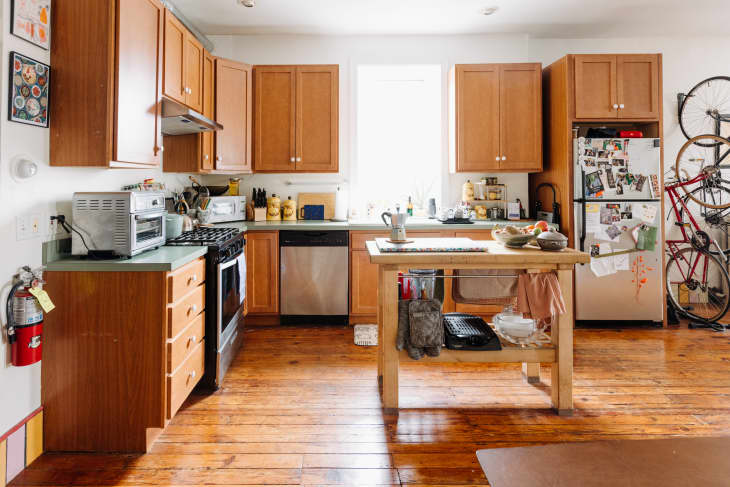
19. Extend Cabinetry for Appliances
L-shaped kitchens are usually anchored by cabinetry and counter space directly mounted onto walls — but in the case of this family’s home in Philadelphia, a recessed living room wall curtailed cabinetry. The solution? Custom-built cabinetry that houses a stand-alone fridge, which is placed against the start of the living room space in this open-concept condominium. This effectively extends the L shape of the kitchen without the need for a major renovation.
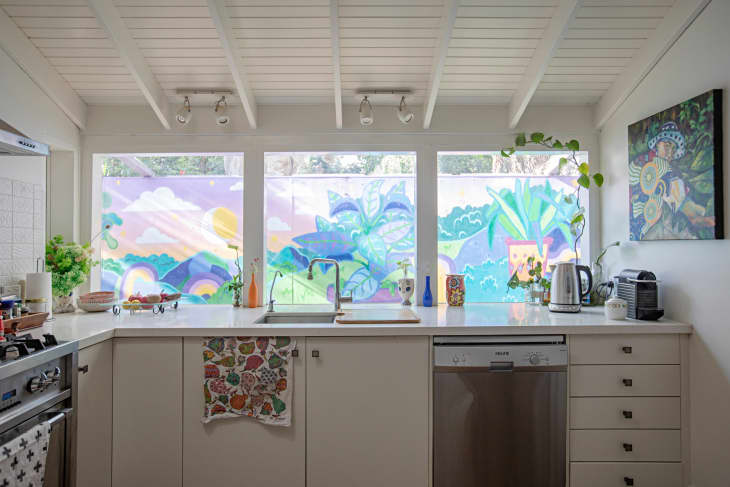
20. Opt for Additional Pull-Out Cabinetry
In a kitchen layout where windows intersect one of your anchor walls, upper cabinetry becomes impossible — but that doesn’t mean you simply sacrifice storage altogether. In this compact home in Melbourne, Australia, a tower of five pull-out cabinets allows for additional storage spaces to offset the loss of matching uppers. Mixing regular cabinets and pull-out drawers in this layout helps natural light to pour in while still maintaining the function of a highly organized kitchen.
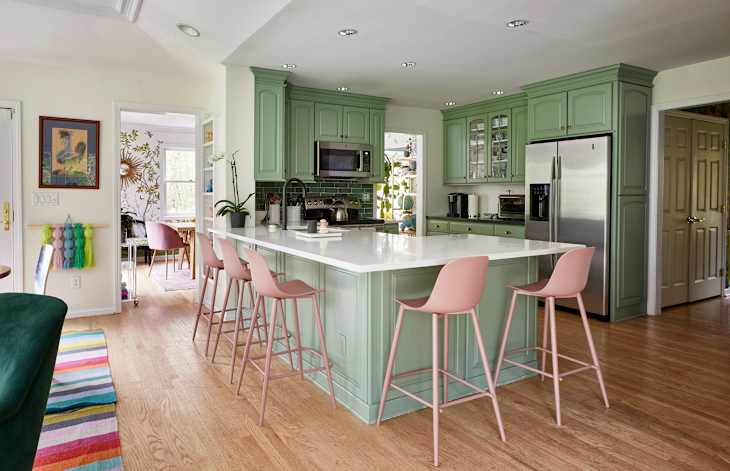
21. Contain Your Space with an L-Shaped Island
Two L-shaped designs create a boxy kitchen layout that is self-contained, just as this gorgeous pastel kitchen space in a charming Fairfield, Connecticut, family home is intended to be. Offsetting the L-shape of a kitchen with a perpendicular L-shaped island creates a sense of a “room” without the need for additional walls. This tactic works best in open-concept homes where it may be tough to create definition between a living room and a formal kitchen space.
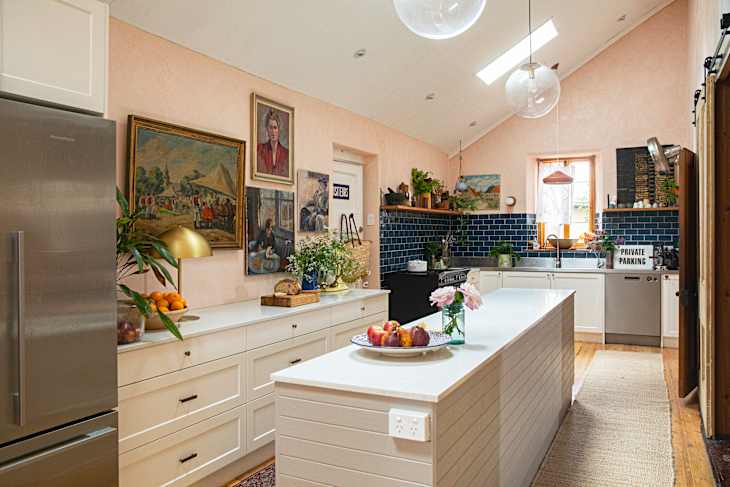
22. Lean Into an Elongated Space
L-shaped kitchens work just as beautifully if one end of the kitchen is more pronounced than the other; meaning, one side of the space feels stretched whereas the other is truncated. If your layout is narrow — as is the case in this stunning converted-church residence in Australia — an L-shaped kitchen can work well to make use of every inch of space available. Storage lines the more expansive stretch of kitchen whereas appliances are centered onto the shortest side.
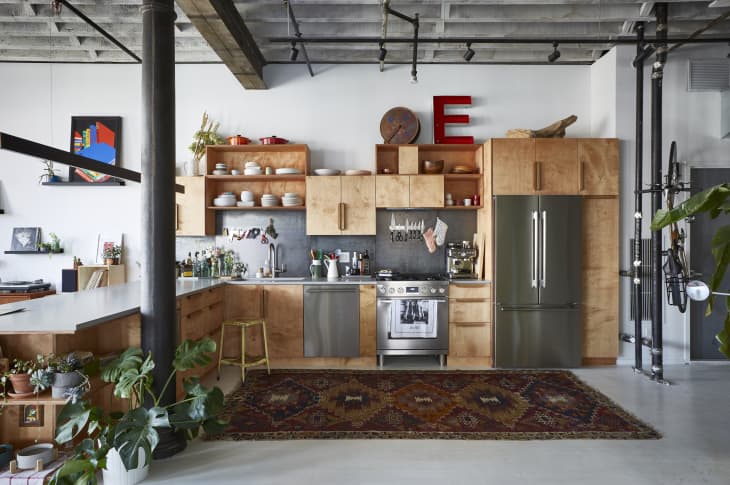
23. Create an L-Shaped Kitchen in Open Concept Layouts
Not every L-shaped kitchen needs to be tucked into a corner of a home’s floor plan. In this Brooklyn loft that embraces its industrial background, an extended kitchen island creates an L-shaped layout that helps the kitchen to feel more defined in an otherwise cavernous space. The function may be even greater than kitchens that are backed into a corner.
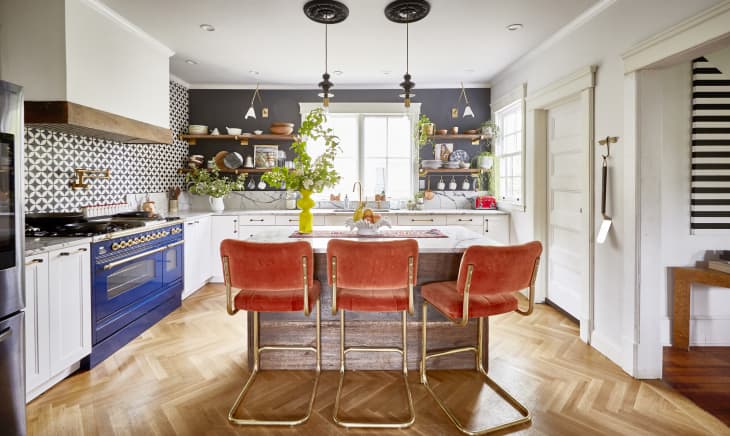
24. Opt for Open Shelving
If you don’t want to drown out the natural light pouring in from a window, open shelving allows you to increase storage space without impeding direct sunlight, as is done in this family residence in Long Island, New York. It’s a natural boon for any kitchen where fine china and other heirlooms deserve a moment all their own.
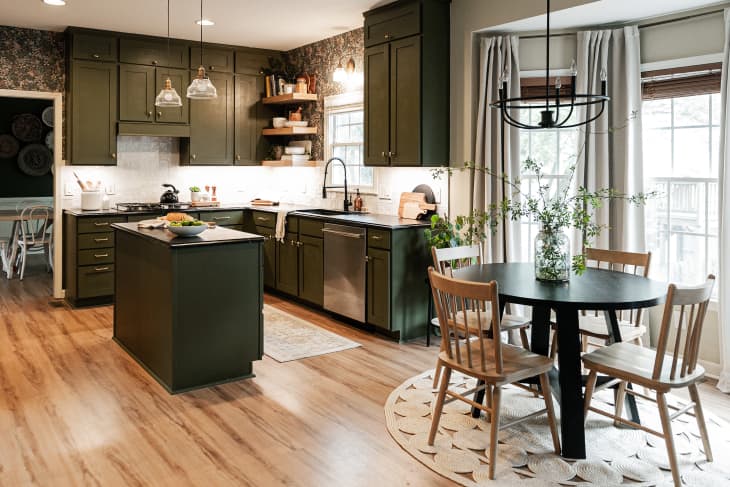
25. Organize an Eat-In Kitchen
In this Smyrna, Georgia, home, a petite L-shaped kitchen opens directly onto a breakfast nook that once housed banquette seating. A small renovation added upper cabinetry to really set the L-shaped kitchen away from the adjacent dining area, a choice that could help create a more organized eat-in kitchen environment for all families.