
People Are Tossing Their Melamine Sponges After This Disturbing Study
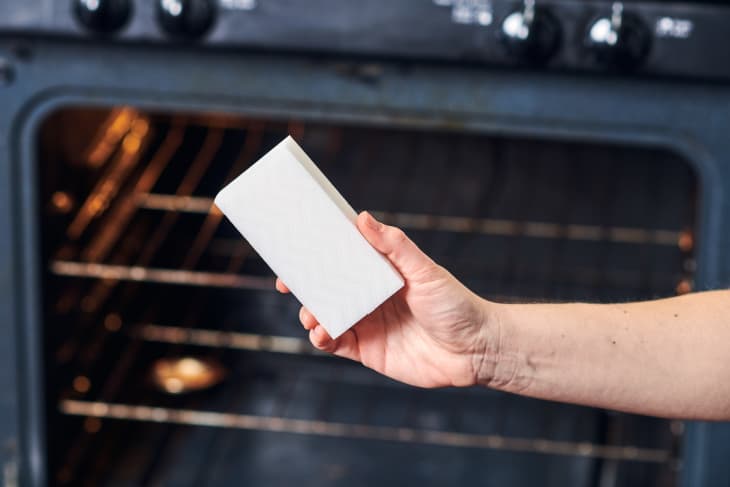
The kitchen sees its fair share of tough messes and spills, which means you need an arsenal of top-notch cleaning supplies to keep the space mess-free. For many people, melamine sponges are staples in this stash and help tackle tough stains and grease on appliances, countertops, and walls. While they’re great for scrubbing away the most stubborn household stains, they have one major downside people are just discovering.
Research published in the American Chemical Society’s (ACS) Environmental Science & Technology journal in 2024 revealed that melamine sponges may be a surprising source of microplastics in the home.
Melamine foam is a lightweight plastic material with a fine grit that acts like sandpaper to lift grime and tackle tough messes with minimal effort. Just add water, scrub a little bit, and watch the trickiest messes disappear in no time. Their mix of simplicity and power has made them a must-have cleaning tool around the world — but all that cleaning power may come at a cost.
Why People Are Ditching Melamine Sponges
Researchers set out to measure how often these sponges release microplastics and how many particles get discarded during typical use. To test this, they ran several melamine sponges from different brands across textured metal surfaces, and the results were striking: one sponge can release 6.5 million microplastic fibers per gram of wear.
With an estimated average of 10% wear during everyday cleaning (a statistic provided by researchers), the team paired their findings with August 2023 monthly sales data from Amazon. Their jaw-dropping calculation? About 1.55 trillion microplastic fibers could be released into the environment each month worldwide — and that’s only accounting for sales from Amazon, which is just one retailer, meaning there are likely trillions more. That means microplastic particles going down your drain, in your home’s air, and all over the surfaces you’re cleaning.
So, Why Does It Matter?
Microplastics are virtually everywhere — in food, water, and even the air you’re breathing right now. Since they’re in essentially all ecosystems, there are serious concerns from health organizations like the Environmental Protection Agency about the impact they have on both the environment and overall human health.
Research on how microplastics affect human health is still in its early stages, but evidence about their influence is mounting. Tiny plastic particles have already been found in human blood, lungs, hearts, and even brains. Early studies suggest that these particles may trigger inflammation, disrupt hormones, or potentially harm organs and cause diseases.
What to Use Instead of Melamine Sponges
The research team behind this shocking study found that denser melamine sponges tend to wear down more slowly and shed fewer microplastics than lighter sponges. They suggest manufacturers make denser sponges that hold up better over time to help limit the number of microplastics shed with each use.

You can also cut down on microplastic pollution by swapping melamine foam sponges with naturally derived solutions, such as scrub pads made from coconut husks or bamboo scrub brushes.

For a natural, hardworking cleaner derived from vegetable oils, Castile soap and salt is a combination that cuts grease and grime without any harsh chemicals, but be cautious and make sure it’s safe for the material you’re using it on. Experts also recommend a DIY baking soda paste, made by mixing it with a little water — it’s mildly abrasive, which helps break down tough stains. Learn more about some of the best natural kitchen cleaners here.
This post originally appeared on The Kitchn. See it there: People Are Tossing Their Melamine Sponges After This Disturbing Study