
My Mom’s “Doorway Rule” Fixed the Number-One Reason My Rooms Looked Unfinished
I’ve picked up quite a few design tips from my mom — everything from how to create a dynamic wall collage, to knowing which upholstery fabrics are the most resilient, and what to look for when shopping for pieces that’ll last for years.
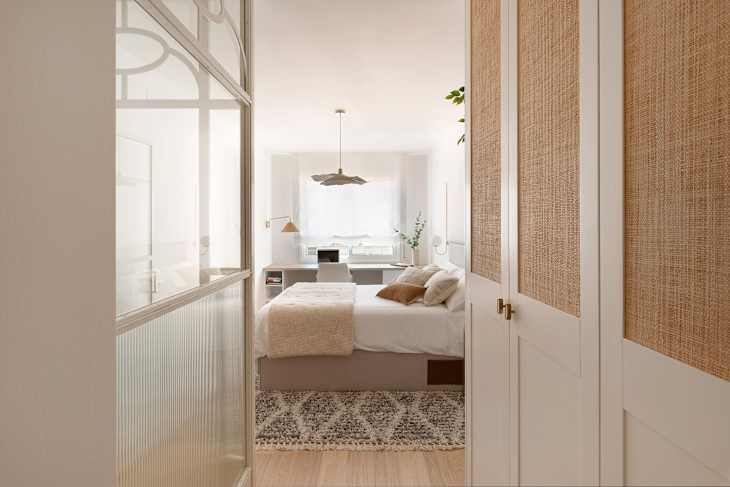
But the most helpful advice my mom has given me is her “doorway rule”: Once you’re satisfied with how a room looks from the doorway, you’re done. Overdecorating or fussing over every detail can make your home feel crowded, overwhelming, or too staged.


What Is the “Doorway Rule”?
This method is really all about trusting your gut and your instinct. It allows you to imagine you’re walking into the room for the first time: If something feels like too much or is too distracting on first impression, just take it out. On the flip side, if a particular space feels immediately and obviously empty, try paying it a bit more attention.
I tend to take my mom’s advice when it comes to all things design-related, because she has a fantastic eye. As an environmental engineer turned artist, my mom (@tandemfortwo on Instagram) has a unique sense of style. She often says that using both sides of her brain — analytical and creative — has helped her build an art style that feels playful, intentional, and imaginative. Her home studio, pictured above, is a perfect example.

How to Try the “Doorway Rule” in Your Own Space
I recently moved into a larger apartment, and I took a lot of inspiration from my mom; her “doorway rule” in particular has been a lifesaver. Because this new apartment has more rooms than my previous place, I had more wall space than I knew what to do with — and it was easy to spiral into overdecorating.
First up, I applied the “doorway rule” to my hallway. It’s a smaller, transitional space, so I wanted it to feel chic, yet open and airy. The doorway method helped me decide where to hang my wall art — and when to stop — so the space felt intentional instead of cluttered. Anything that didn’t add to that view had to go.

I can’t wait to put this rule to good use with some of the other problem areas in my new home — most notably, the kitchen. It’s a long, narrow space that can feel easily overwhelmed by clutter if I’m not careful. I’m hoping the rule helps me create a balanced space that feels intentional, yet unfussy.
Although it seems simple, using my mom’s doorway method has helped me to prioritize the highest-impact areas in each room. It creates a stronger first impression for guests and, perhaps even more importantly, it keeps me from overworking my space. Because I’m the one living here day-to-day, creating a calm, aesthetically pleasing environment helps me relax and actually enjoy my home.