
What Is Eclectic Design? How to Achieve This Bold, Unapologetic Style
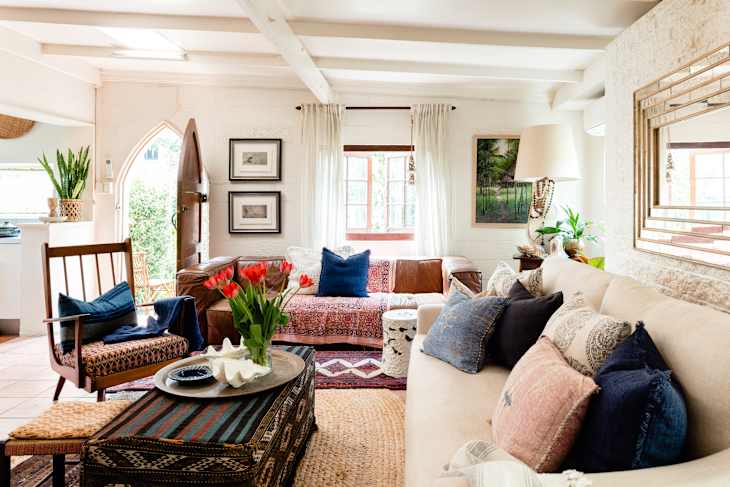
If you can’t help but feel like your sense of style at home is a bit of everything all at once, then you may fall into the eclectic crowd. What, exactly, is eclectic style? It might seem counterintuitive to try to capture a style that Merriam-Webster defines as “composed of elements drawn from various sources.” But eclectic style is one of those things that you just know when you see it. It’s interesting. It’s inspired. It doesn’t always make sense on the surface, but as a whole, it’s intentional and stylish.
And it’s the perfect style for anyone who doesn’t want to be limited by well-defined designs, from modern to traditional.

These days, there are two other design movements driving the popularity of eclectic style. The first is a push towards maximalist interiors. While eclectic style isn’t always maximalist, it often leans in that direction. There’s a sense of “more is more” when it comes to quirky items and unique finds, where a hodgepodge perfectly marries the tenets of maximalism. Second, a push towards vintage shopping and thrifting has inevitably led people towards finds that are diverse and, well, eclectic.
To establish a few parameters around this hard-to-define design, three designers weighed in on eclectic style — and how they achieve the look in their own projects with clients.
What Is Eclectic Style?
Eclectic style isn’t any one style, but rather a meeting of any style (or decor moment!) that grabs the eye of the designer or person living in the space. It’s diverse and unrestrained. It prioritizes visual interest and personal taste. There are no rules, but it’s also easily recognizable.
“Eclectic style is all about the artful blending of unexpected pairings to create a space that feels deeply personal and layered. It’s all about resisting rigid rules in favor of storytelling,” says Lindsie Davis, founder and principal designer of Blueberry Jones Design. She explains that embodying eclectic design doesn’t mean deliberately mismatching different pieces of various eras. Rather, it’s choosing to mix all of the pieces you love to end up with a collected, curated look.
With eclectic style, nothing is off the table. Anything you love is fair game, as long as you feel that you have the confidence to allow it to all come together. “You might see a mid-century modern chair next to a vintage Turkish rug under a gallery wall filled with modern art and vintage photography. It’s not chaos, but intention wrapped in individuality,” asserts Eunice Weckesser, founder and principal designer at Crown The Cool Studios.
5 Basics of Eclectic Interior Design
The only real rule of eclectic design is that there are no rules. But that doesn’t mean there aren’t a few basic commonalities that designers often tie into these spaces. Keep the following in mind:
- Collected Decor: You can’t get an eclectic look overnight. It comes from years of collecting what grabs your eye and working it into your space intentionally. “Eclectic style is the result of making many thoughtful decisions over time from a place of joy, not from following a rigid set of design rules or aiming for a specific aesthetic,” says Megan Warren, founder of Megan Warren Design.
- Antiques of All Eras: You might have a Victorian chair next to a modern, sculptural dining table. An eclectic space isn’t a museum. It’s a representation of every period that resonates with you, whether it’s ornate and historic or sleek and minimalist. “Blend eras, like mid-century lines, traditional upholstery, Art Deco curves, and even a touch of ‘70s glam when it fits. The goal is to create tension and harmony at once,” says Blueberry Jones’ Davis.
- Global References: Weckesser points out that eclectic spaces often have references to travel and global cultures represented throughout the space. When you’re traveling, think about sourcing decor rather than souvenirs, and your home will become a living memory book.
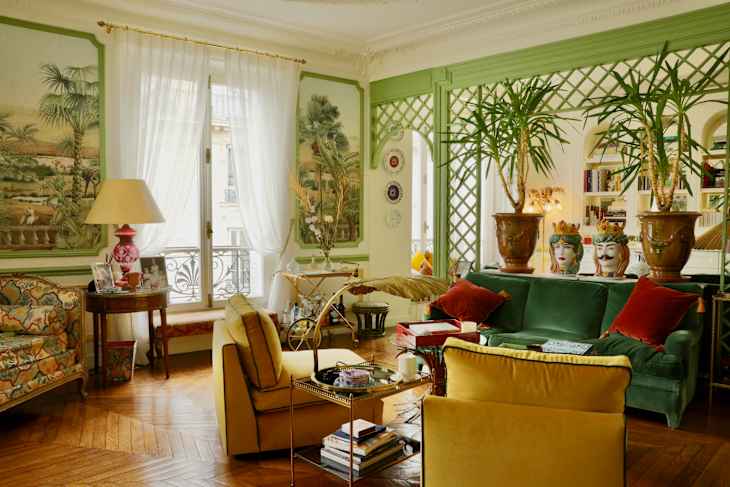
- Unexpected Colors: “I gravitate toward bold, saturated hues balanced with grounding neutrals and an occasional jolt of something unexpected, chartreuse for example,” says Davis. There’s no color palette to stick to, though Davis also likes using classic black and white to create visual punctuation in otherwise bold eclectic spaces.
- Bold Patterns: Eclectic style doesn’t stray away from a major pattern moment, and that could be anything from a crisp stripe to a moody floral damask. “I love a fearless mix — florals, geometrics, animal prints, classic motifs — layered together but with a shared undertone that keeps them cohesive,” adds Davis.
What’s the Difference Between Maximalism and Eclectic Style?
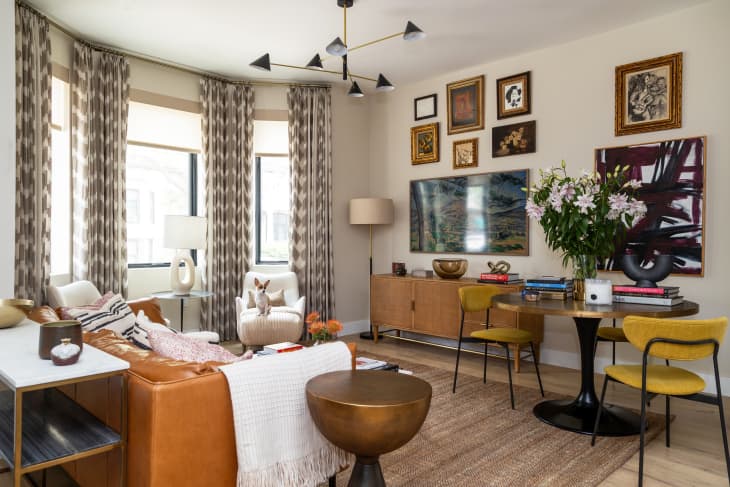
Eclectic style and maximalism can (and often do!) go hand-in-hand. Both believe that if you love something, you should bring it into your space, point-blank. But not every maximalist space is eclectic, and not every eclectic space is considered maximalist. So what’s the difference?
Maximalism leans into filling a space with as much design as possible, creating a visual feast for the senses. “Maximalism is about more, more of everything. It’s lush, layered, and leans into abundance,” Weckesser says.
Eclectic style, however, makes use of layers and collections — but it doesn’t necessarily have to fill every corner of a space with color, pattern, and objects. An eclectic room could also be minimalist, as long as the design direction is in line with eclectic thinking. “[Eclectic style] is about mixing, pulling from different eras, styles, cultures, and moods to create a space that feels deeply personal,” Weckesser emphasizes. “Eclectic style is not about volume, it’s about vibe.”
How to Bring Eclectic Style into Any Space
Eclectic style can work in any space. It’s just a matter of bringing in antiques, colors, patterns, and art that resonate with you and help make the room feel like yours alone. Here are a few designer tips to lead the way.

Start with What You Have
There’s no need to run out and buy items to create an eclectic space. That’s actually the opposite of what you should do for true eclectic style, which is evolved rather than shopped for. “Create eclectic vignettes in your home by using things where you normally wouldn’t,” Warren advises. “Bookstacks for a side table, a spare dining chair for a guest chair in a bedroom, [or] move your lamps around. It’s about play and fun!”

Find a Statement Piece
Eclectic spaces can provide the eye with a myriad of places to look; but, if you want guests to start in one place, find your one standout piece. This is the chandelier that took you years to track down or the table that you just had to bring home with you from a far-flung vacation. “This is usually the room’s conversation starter — a sculptural chair, a vintage light fixture, or art that anchors the room,” Davis adds.

Embrace Contrasts
The backbone of any eclectic space is a wide range of styles, many of which wouldn’t seem to go together at first glance. When put in a room where each one feels meaningful and intentional, it works. Davis explains: “Opposites attract. Think a traditional wingback upholstered in a bold animal print, or sleek lacquered console next to a rustic stone wall.”
Tell Your Story
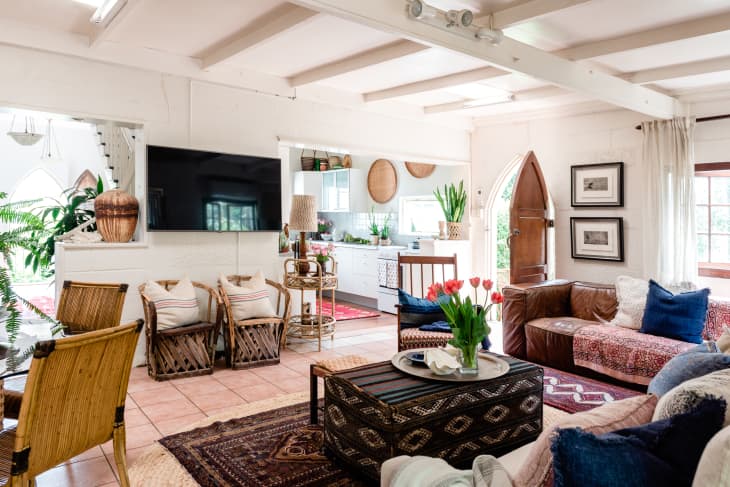
No two eclectic spaces will ever look the same, as no two people are the same. Different items will draw vastly different people, and, as long as your home tells your story, it will be both eclectic and timeless. “Use pieces that reflect you. Like a funky vase you found from a Paris flea market or a piece of art you scored from a grandparent,” says Weckesser.

Add Breathing Room
While eclectic style should feel collected, a lack of chaos is also an important tenet. Weckesser suggests striking that balance by contrasting boldness with breathing room (neutrals are your friend). “Eclectic loves drama, but it also craves balance. For every pop of pattern or hit of color, give the eye a chance to rest.”
For every ornate line or bold pattern, add in something streamlined. “The power is in the pause,” Weckesser advises.

Mix Materials
Just as there should be varied eras and art, there should also be varied textiles and materials in both your furniture and decor. “Mixing materials, like leather and velvet or wood and brass finishes, and [varying] silhouettes, keeps the eye moving but always with a rhythm. Too much of anything can break the harmony,” Davis warns.
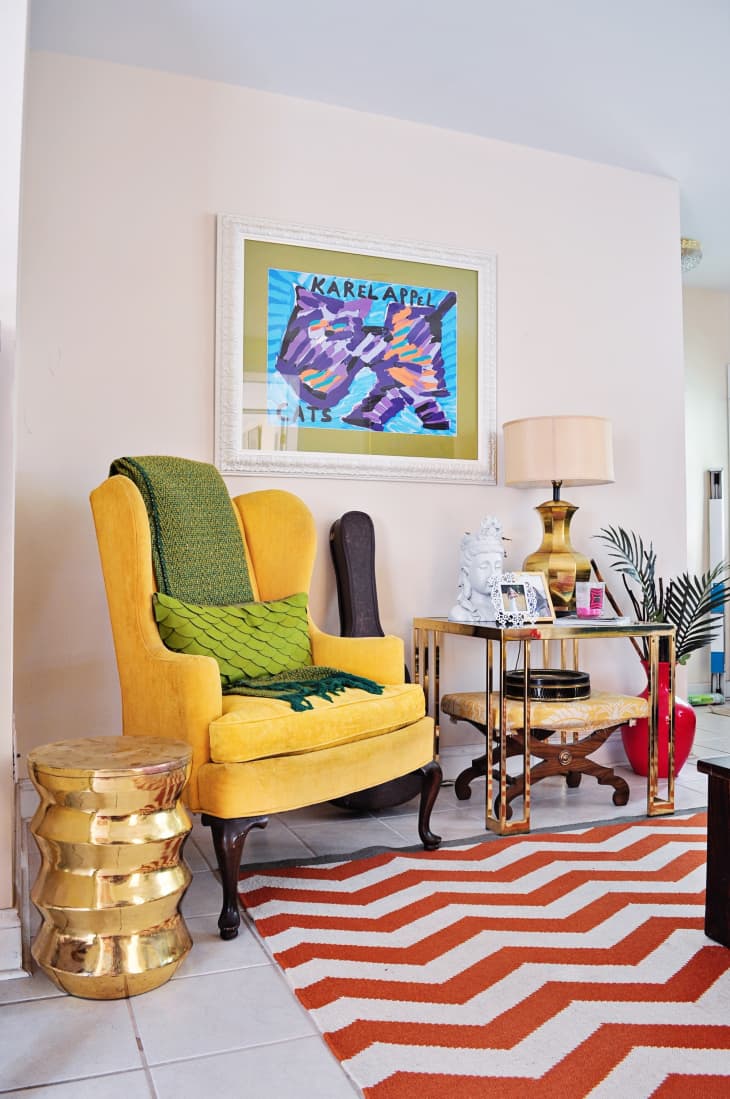
Create Vintage Moments
It’s possible to create an eclectic space with all modern decor; typically, however, there will be a heavy-handed vintage influence. Find the eras that speak to you and incorporate them without worrying about whether they overlap in the history books. Davis adds: “My personal favorite is 60s to 70s; whether it be a textile, antique piece, artisan-made decor, etc. These moments will introduce soul and patina, grounding the look.”

Edit Intentionally
To create a space that feels curated, editing is a must. Warren suggests considering scale, placement, and color to keep the space feeling cohesive. You can have a gallery wall with everything from vintage photographs to modern art, but consider a base color palette. Or incorporate antique decor items from different eras — but work on creating a theme, whether that’s a color or motif, that runs throughout. Not sure where to start? Turn to the best color and design apps to help remove the guesswork.