
What Is Japandi Style? A Guide to This Organic, Minimalist Design
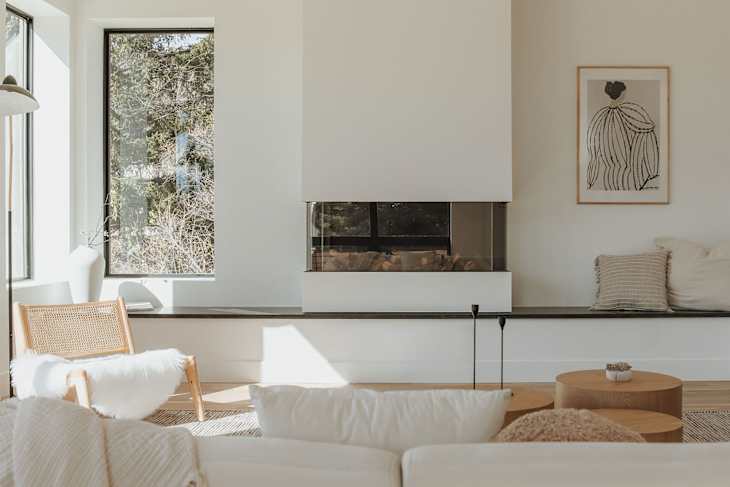
If you’re a fan of simple, no-frills spaces with warm wood finishes and spatial layouts, there’s a chance you may have been influenced by Japandi style — and you might not even know it. Design pros have been buzzing for years about Japandi design, an aesthetic that intersects traditional Japanese elements and Scandinavian influence.
This serene yet sophisticated style is characterized by its use of natural materials, restrained color palettes, and minimalist elements. It blends the iconic Scandinavian principle of “hygge” (the concept of creating a warm and cozy atmosphere) with the Japanese principle of “wabi-sabi” (finding beauty in imperfection). As a result, Japandi interiors evoke a sense of calm, groundedness, and intentionality — a fusion of East-meets-West style that has emerged as a leading influence in the interior design community.

For those looking to infuse their home with a sense of serene and sophisticated calm, Japandi is likely your perfect fit. If you’re interested in incorporating Japandi design into your space, here’s everything you need to know about the design style, according to top interior design pros.
What is Japandi Style?
Japandi (a blend of “Japanese” and “Scandi”) is minimalist, warm, and organic. It borrows key principles from both Japanese and Scandinavian design, striking a careful balance between rustic, cozy Scandi interiors and serene, sophisticated Japanese styles. Japandi interiors are characterized by clean lines, neutral colors, and a deep connection to nature. As with most minimalist design approaches, Japandi adheres to the mantra of “less is more,” focusing on eliminating excess clutter and ornamentation to create spaces that feel calm, intentional, and harmonious.
“The result is a serene, curated, and highly livable look that prioritizes both beauty and function,” says Lauren Lerner, principal designer and CEO of Living with Lolo, an Arizona-based interior design firm specializing in Japandi design.
The History of Japandi Design
This design style is getting a lot of buzz lately, but you may be surprised to learn that it’s far from new. The marriage of Japanese and Scandinavian styles dates back to the mid-20th century, specifically post-WWII.
“Post-war Scandinavian designers looked to Japanese craftsmanship for inspiration, and mid-century Japanese architects borrowed Nordic ideas about light and proportion. Japandi is simply the modern chapter of that long creative dialogue,” explains Jenny Murphy, owner and principal designer at J. Reiko Design + Co.
This fusion of Eastern and Western design aesthetics, then, is what designers refer to as Japandi: a unique and storied design style that combines functional warmth with meditative simplicity. While the design style has a long history in both Eastern and Western spaces, it’s gained traction lately thanks to the increasing interest in design that feels restorative, personal, and deeply intentional.

Elements of Japandi Design
Japandi design tenets are a hybrid of two distinct styles, but the differences between them also play a role in modern interpretations of Japandi interiors.
“Both styles emphasize functionality, minimalism, and beauty in restraint. Scandinavian design, shaped by colder climates, prioritizes warmth, comfort, and utility with light woods, soft textures, and neutral palettes,” Lerner notes. “Japanese design, however, is rooted in traditions like wabi-sabi and Zen, [and] embraces the beauty of imperfection, organic materials, and curated minimalism.”
Below, experts highlight six key elements that comprise Japandi design. The first is among the most essential that designers often prioritize over others.
Neutral Color Palettes
Similarly, Japandi color palettes are deeply inspired by nature. You’ll find plenty of neutral hues and earthy, muted tones in these serene and sophisticated spaces. Think warm and organic off-whites, soft mushroom tones, and layering shades of warm gray against grounding shades of clay, sage, and charcoal, says Murphy.
As with both Scandinavian and Japanese design separately, neutrals play a significant role in creating calm and cozy spaces. That said, Japandi doesn’t exclude color altogether. Rather, you’ll find muted, organic colors used sparingly and with intention. The same goes for black. While you may not find a lot of black in traditional Scandinavian interiors, in Japandi, black is used as a grounding accent to add contrast and a modern flair.
“Black isn’t just welcome here — it’s essential,” Murphy observes. “But rather than stark or glossy, it shows up in its most organic form: The char of shou sugi ban wood, the matte finish of slender table legs, or the outline of a simple frame. Used with intention, these touches of black add contrast and clarity, anchoring the softness with a quiet strength.”
Natural Materials
The use of natural materials is prevalent in both Scandinavian and Japanese interiors, and it’s a defining element of Japandi. Wood in light to medium tones, along with bamboo, linen, wool, stone, and clay, are staples in this style.
Simplicity and Functionality
Both Scandinavian and Japanese design emphasize utilitarianism, and Japandi is no different. Spaces are kept simple, clean, and uncluttered — elevating the essential and clearing away the unnecessary. As such, in Japandi design, “every piece of furniture or decor serves a purpose, blending beauty with utility,” says Carla Royder, an interior designer based in San Antonio, Texas.
Clean Lines
You won’t find ornate details in Japandi spaces. Clean lines and simple silhouettes define the furniture and decor in this style. This minimalist approach to ornamentation helps to create a calm and grounded atmosphere that reflects Japanese traditions while embracing the Scandinavian focus on comfort.
A Focus on Craftsmanship
The “less is more” mantra allows quality craftsmanship to shine and become a focus of Japandi interiors. The goal is to showcase fewer, well-made pieces. “Focus on quality over quantity; Japandi is about curating, not cluttering,” Lerner explains. “Every detail, from joinery to textiles, showcases a deep appreciation for craftsmanship, quality, and longevity.”
Texture, Texture, Texture!
Japandi may be minimalist, but it’s certainly not lacking in visual interest. Clean lines and uncluttered surfaces make way for texture to take center stage in Japandi spaces. The Scandinavian influence is evident in warm, cozy textures, such as boucle and knit fabrics, while raw, rough-hewn textures evoke the classic Japanese design aesthetic. Think natural wood, stone, bamboo, and more.
Examples of Japandi Design
Looking for more concrete examples? Here are a few real homes steeped in Japandi design that demonstrate the key design elements of this style.

Bright, Airy Japandi Living Room
This Japandi living room is characterized by its neutral, light, and airy aesthetic. It features low-profile, curved furniture and minimal decor, creating a serene and cozy feel.

Moody and Layered Japandi Living Room
In contrast, this Japandi living room illustrates a more moody, layered look. The wall decor and a wall-mounted TV draw the eye upward, creating a more sophisticated ambiance. A neutral palette with dark accents adds contrast and depth, enhancing the overall aesthetic.

Classic Japandi Bedroom
Calm, inviting, and cozy are all words to describe this bright bedroom design. A minimalist approach to decor allows texture to shine in the space.

Modern Japandi Kitchen
Sleek, flat-front cabinets define this modern Japandi kitchen, as well as textural tiles and sculptural accents.

Pristine Japandi Bathroom
Natural materials, clean lines, and black accents define this small Japandi bathroom. The rounded mirror and ceramic vase provide contrast against the sleek, square vanity and basin, while the concrete sink and cotton stem add texture.
Is Japandi Still in Style?
Today, Japandi is very much at the forefront of the design world. While it may not be as well-known as styles like mid-century modern or micro trends like cottagecore design, it continues to gain traction as people seek ways to bring a sense of calm and clarity into their home design.
“Japandi began gaining traction around 2016 and saw a major resurgence during the pandemic as people sought out more intentional and restorative spaces. It reflects a broader cultural shift toward slowing down and surrounding ourselves with fewer things of better quality and deeper meaning,” says Lauren Saab, founder and principal designer of Dallas-based Saab Studios.

Today, the Japandi style continues to evolve, reflecting ever-changing tastes and trends. In 2025, designers agree that Japandi is more livable, functional, and sustainable than ever before.
“[It’s] being reimagined with a modern sensibility that honors its minimalist roots while embracing warmth, comfort, and individuality,” Lerner adds. “The shift is toward softer minimalism — spaces remain intentional and uncluttered but now feature more tactile layering, gentle curves, and mixed materials,” says Lerner.
For example, color palettes are becoming more dynamic, shifting away from purely light neutrals to incorporate more color and deeper tones for contrast. Additionally, sustainability in design is more prevalent than ever, thanks to a renewed modern awareness and a growing desire for green spaces.
Read More: The “50/50 Rule” Can Be Used to Decorate Every Room of Your House
Saab notes that Japandi is also adapting to smaller footprints and smarter living, incorporating more built-in storage, modular furniture, and concealed technology for spaces that are comfortable and accessible — but rooted in tradition.
Japandi Design vs. Bohemian Style
At first glance, Japandi and bohemian (boho) design styles may look similar. Both are known for using earthy materials, neutral colors, cozy accents, and natural textures. However, Japandi and boho have a few key differences that set them apart.
Royder notes that where Japandi values simplicity, functionality, and a calm, minimalist approach, bohemian style values bold, artistic spaces filled with personality, color, and cultural influences.
“Bohemian style is an eclectic, free-spirited design aesthetic that draws inspiration from various cultures, particularly those with artistic and nomadic traditions. It’s all about self-expression, layering, and creating a cozy, lived-in vibe,” she adds.
These differences manifest in a few ways. For example, in Japandi, you’ll find neutral color palettes with muted tones, whereas in bohemian spaces, neutral colors are accented by warm, earthy tones and rich colors.
Additionally, boho spaces are deeply inspired by global influences, often incorporating elements of multiple cultures into their decor. Details such as layered Moroccan rugs, Indian textiles, and tribal patterns, per Royder. In contrast, Japandi adheres to its minimalist Scandinavian and Japanese influences, rejecting excessive ornamentation.

How to Incorporate Japandi Style in Your Home
Looking to bring the meditative serenity of Japandi to your home? Here are a few simple ways to begin to infuse this design style into any space.
Start by Simplifying
If you want to incorporate Japandi design into your home, the first step is to simplify, according to Saab. “Japandi starts with subtraction so the essentials can speak,” she says.
Evaluate your space, remove anything excessive or unnecessary, and give yourself a clean slate to work with. Japandi comes to life when designs are simple, with a few key pieces that catch the eye. Saab recommends grounding the space with one striking piece, such as a low, sculptural wood table or a clean-lined chair in natural linen.
Create a Muted, Earthy Color Palette
Neutral, earthy color palettes (like those made popular in the 1970s) are a central feature of Japandi design. To build a Japandi color palette, Lerner recommends starting with a calm, neutral base. “Use warm whites, soft grays, and muted taupes to create serenity and highlight natural textures,” she says.
Then, you can begin layering in pops of muted color and grounding accents, such as black or deep ash, to bring your space to life. Fixtures, hardware, or slim furniture legs are great places to start incorporating your darker accents without overwhelming the space and disrupting any tranquil vibes.

Stick to Natural Materials
Plastic and synthetic materials, begone! Japandi style is all about creating warmth and texture with natural materials.
Choose furniture that brings outdoor elements in, such as pieces made with oak, walnut, or ash, and opt for wood cabinetry for an organic yet modern look. Incorporate a few pieces of greenery throughout your space to bring some life and texture, and strive to choose decor made from natural materials. Think linen curtains, ceramic vessels, wood picture frames, and stone finishes, Lerner advises.
Choose Low-Slung Furniture
Low-slung furniture is a staple in Japandi spaces. It lends a calm, casual, and inviting feel to a room, which is typical of Japandi style. Stick to modern pieces with simple silhouettes and clean lines that are free of excess ornamentation to nail the Japandi look.

Add Texture
Lastly, don’t forget about texture! In the absence of ornate details and excessive decor, texture helps bring contrast and visual interest to minimalist spaces. Layering contrasting textures, in particular, will help bring your space to life. Think smooth and rough, matte and shiny, soft and hard. Texture can be incorporated in a variety of ways, from textiles and upholstery to greenery and fixtures.